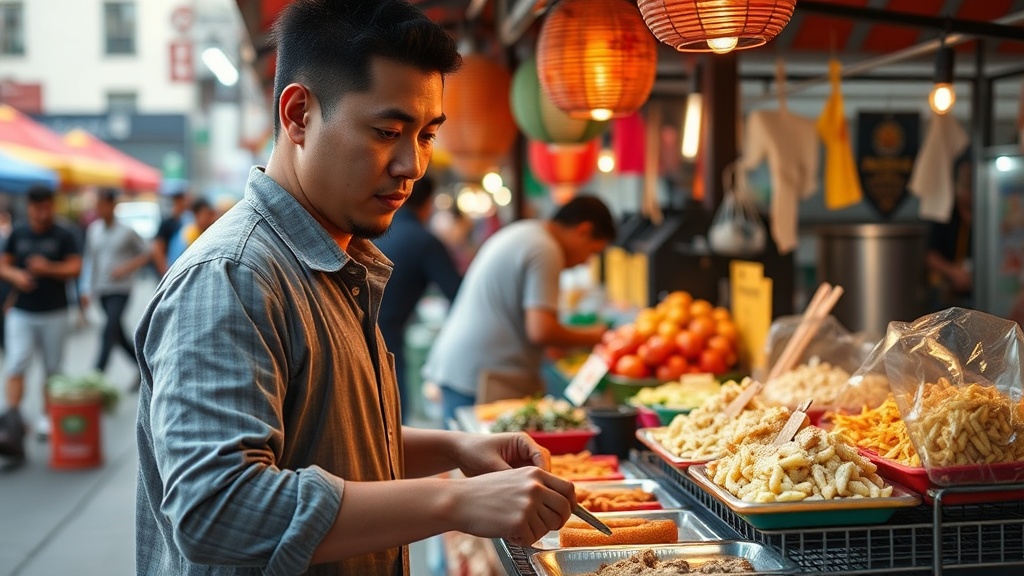
Eating Like a Local at Street Food Markets Without Overspending

The Myth of the "Expensive" Street Food Experience
Many travelers assume that eating at street food markets is a risky gamble that either leads to food poisoning or unexpected costs. The misconception is that "authentic" street food is a luxury or that once you enter a popular food hub, you will inevitably be overcharged. In reality, street food markets are the most predictable and cost-effective way to eat while traveling, provided you know how to navigate the logistics of vendor selection, timing, and payment. This guide provides specific strategies to ensure you eat high-quality, local meals while keeping your daily food budget under $15.
Identify High-Turnover Vendors
The biggest indicator of food safety and quality in a street market is turnover. High turnover means the ingredients are being used quickly and are not sitting in the heat for hours. When you arrive at a market, do not look for the most decorated stall; look for the one with the longest queue of locals. If a vendor in Bangkok's Or Tor Kor Market or a stall in Mexico City's Mercado de Coyoacán has a line of people, it is a signal that the food is fresh and the ingredients are being replenished constantly.
Watch the preparation process. A reliable vendor will have a clear view of the cooking process. If you see a vendor using a single, small spatula for multiple different dishes without cleaning it, or if they are reusing oil that looks dark and viscous, move to the next stall. High-quality street food relies on high heat. Look for vendors using high-flame woks or boiling liquids, as these temperatures effectively kill most bacteria.
The "Single Dish" Rule
The best way to ensure you are eating well and spending less is to find a vendor that specializes in only one or two items. Specialized vendors have mastered their craft and have a streamlined supply chain. For example, a vendor in Vietnam who only makes Bánh Mì will have much fresher bread and pate than a vendor attempting to sell a full menu of diverse dishes. Specialization reduces the chance of ingredient spoilage and usually results in a lower price point because the vendor buys in bulk for a single product.
Mastering the Logistics of Payment and Pricing
One of the primary reasons travelers overspend at markets is a lack of local currency or a misunderstanding of the pricing structure. In many parts of Southeast Asia or Central America, credit cards are not accepted at street stalls, and even if they are, the conversion rates or "tourist fees" can inflate the price. Always carry small denominations of the local currency. If you are eating in a place like Chiang Mai, Thailand, having 20 and 50 Baht notes will make transactions much faster and prevent you from asking for change that the vendor may not have.
To avoid "tourist pricing," observe how locals pay. In many markets, there is a standard price for a dish, but if you are the only person at the stall, a vendor might attempt to charge a premium. To prevent this, arrive during peak hours. When the market is busy, the price is usually fixed by the volume of sales. If you are unsure of a price, it is perfectly acceptable to point to a dish and use a translation app or a simple gesture to confirm the cost before ordering. This is a standard practice and is not considered rude in most cultures.
For those traveling on extremely tight budgets, combining market finds with grocery store staples is a smart move. You can use grocery store hacks to save money on meals by buying fruit, yogurt, or bread at a local market and using the street food stalls only for your main hot meals. This prevents you from spending your entire daily budget on a single heavy dinner.
Navigating Dietary Restrictions and Safety
Eating street food with dietary restrictions requires more research than eating in a seated restaurant. Most street food is prepared "to order," which gives you a slight advantage. If you have an allergy, do not rely on a translated sign. Instead, use a physical "allergy card" that lists your specific allergens in the local language. In many street food environments, verbal communication can be difficult due to noise levels or language barriers.
- Avoid Pre-Cut Fruit: If you are buying fruit, choose items that you can peel yourself, such as bananas, oranges, or mangoes. Avoid pre-sliced fruit that has been sitting in a tray of liquid, as this is a common source of foodborne illness.
- Check the Oil: If you are ordering fried foods like Tempura in Japan or Pakoras in India, ensure the oil is clear. If the oil is dark and smells heavy, the food will be greasy and may cause stomach distress.
- The "Cooked to Order" Standard: Avoid any food that is sitting in a lukewarm liquid or a lukewarm tray. Always opt for dishes that are cooked right in front of you over a flame or in boiling water.
Strategic Timing for Maximum Value
Timing your meals can significantly impact both the quality of the food and your total spend. Most street markets have a "peak" time where the freshest food is served and the prices are most stable. For example, in many European cities, evening markets are much more robust than midday markets. If you arrive too late in the evening, you may find that the best vendors have sold out of their primary ingredients, leaving only the "leftovers" or lower-quality items.
If you are looking to stretch your budget, consider the "brunch" or "late afternoon" window. In many parts of the world, there is a lull between lunch and dinner. During this time, some vendors may offer slightly lower prices to move remaining stock, or you can find much shorter lines, allowing you to observe the preparation more closely without the pressure of a crowd. This is especially useful if you are trying to manage a tight schedule, such as when you are traveling through Southeast Asia on a $30 a day budget, where every cent counts toward your long-term goals.
The Practical Toolkit for Street Food Success
To eat like a local without the stress, you should carry a small "street food kit" in your day bag. This isn't about being overly prepared, but about being practical. Having these items will prevent you from having to buy expensive bottled water or disposable utensils at a convenience store.
- Reusable Utensils: A lightweight bamboo or travel set of a spoon and fork. This prevents you from using flimsy plastic that breaks easily and reduces your environmental footprint.
- Hand Sanitizer or Wet Wipes: Street food environments are often dusty or crowded. Having your own way to clean your hands before eating is essential for hygiene.
- A Reusable Water Bottle: Many street food stalls sell water, but it is much cheaper to carry your own and refill it at your accommodation or a filtered water station.
- Small Change Pouch: Keep your local coins and small bills organized so you aren't fumbling through a large wallet in a crowded market.
Summary of Best Practices
Eating at street markets is one of the most rewarding ways to experience a new culture, but it requires an active approach. Do not simply walk into the first stall you see. Instead, look for high turnover, specialized menus, and high-heat cooking methods. Carry local currency, prioritize cooked-to-order meals, and always observe the local crowd to gauge both quality and price. By following these specific protocols, you can enjoy world-class culinary experiences while keeping your travel expenses well within your budget.