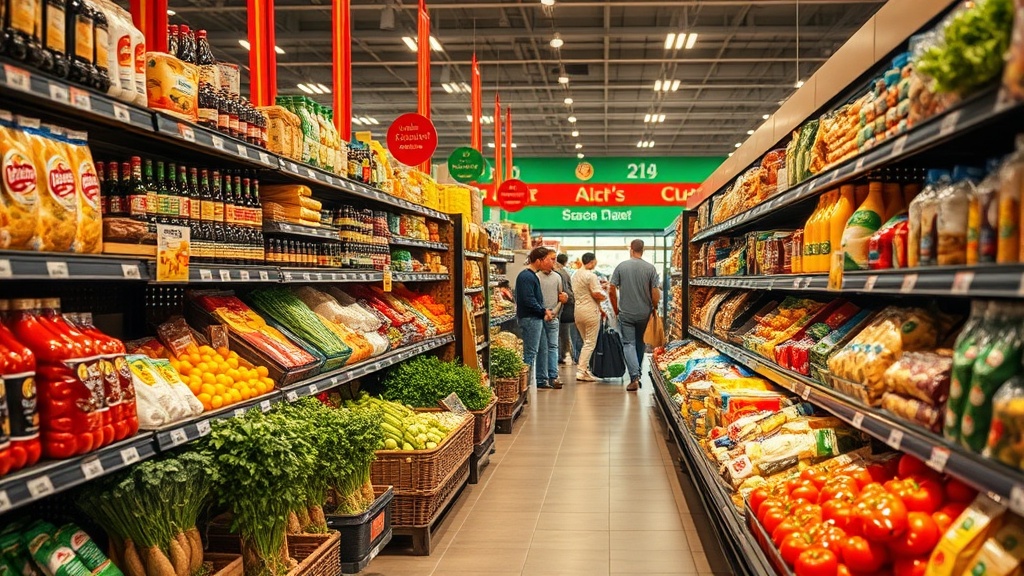
7 Best Grocery Store Hacks to Save Money on Meals While Traveling

Shop the Local Bakery Section
Look for Ready-to-Eat Salad Kits
Buy Seasonal Fruit for Cheap Snacks
Visit the Deli Counter for Hot Meals
Check the Discounted 'Reduced' Section
Stick to Store Brands Over Big Names
Buy Local Staples Like Bread and Cheese
Most travelers assume that eating "restaurant quality" food while on the road requires a high daily budget. The common misconception is that you have to choose between expensive sit-down meals or bland, uninspired sandwich wraps from a convenience store. In reality, the grocery store is your most powerful tool for maintaining a high standard of nutrition and flavor while keeping your daily spend under $40. By treating local supermarkets like a curated pantry rather than just a place to grab snacks, you can significantly lower your food costs and extend your trip duration.
This guide outlines seven specific strategies to navigate international grocery stores, select high-value ingredients, and prepare meals that feel like a treat rather than a compromise. These hacks work whether you are staying in an Airbnb in Lisbon, a hostel with a shared kitchen in Bangkok, or a budget rental in Medellin.
1. Shop the Perimeter and Local Produce Sections
The most expensive items in any grocery store are typically the processed, packaged goods located in the center aisles. These items—like pre-made crackers, sugary cereals, and boxed meals—carry a high markup due to packaging and branding. To save money, focus your shopping on the perimeter of the store where fresh produce, proteins, and dairy are located.
When you visit a country like Vietnam or Thailand, the produce sections are gold mines for low-cost, high-nutrient ingredients. Instead of buying a $6 pre-packaged salad, buy a bag of local spinach, a cucumber, and a lime for under $2. In European markets, look for seasonal fruits like stone fruits in summer or citrus in winter; these are always cheaper and more flavorful than out-of-season imports. Buying whole vegetables like carrots, bell peppers, and onions allows you to build multiple meals from a single shopping trip, which is far more efficient than buying pre-cut versions that are often 30-50% more expensive.
2. Utilize the Rotisserie Chicken Strategy
One of the fastest ways to blow a budget is by eating out for lunch and dinner every day. However, a cooked protein can save you a massive amount of money and time. The rotisserie chicken is a universal budget hack. In many Western countries, a hot, fully cooked chicken costs significantly less than a single entree at a local cafe.
A single rotisserie chicken can serve as the foundation for several different meals. On day one, eat the legs and wings with a side of steamed vegetables or rice. On day two, shred the remaining breast meat to make tacos with local tortillas or a hearty chicken salad. This technique works in many regions; for example, in many Mediterranean countries, you can find pre-cooked meats or hearty lentil stews in the deli section that are much cheaper than a full restaurant service. This approach is especially helpful if you are looking for cheap accommodation without staying in a hostel, as many Airbnbs or guesthouses provide kitchenettes that make these quick assembly meals possible.
3. Buy Local Staples Over Imported Comforts
The moment you try to find a specific brand of peanut butter, Greek yogurt, or a particular type of pasta from your home country, your food budget will skyrocket. Imported goods are subject to shipping costs and import duties, making them a luxury item in a grocery store. To travel cheaply, you must adapt your palate to local staples.
If you are traveling through Southeast Asia, don't look for expensive imported oats; instead, buy local rice, mung beans, or coconut milk. These are incredibly inexpensive and form the base of most regional dishes. If you are in Mexico, buy corn tortillas and local cheeses instead of searching for wheat-based bread or imported cheddar. By embracing local ingredients, you aren't just saving money; you are actually experiencing the authentic flavors of the region. This mindset shift ensures that your $40-a-day budget goes much further because you are buying into the local economy's most affordable goods.
4. Master the "Deli Counter" Hack
Many travelers overlook the deli or prepared food section of a grocery store, thinking it is only for high-end shoppers. However, the deli section is often the best place to find high-quality, single-serving meals for a fraction of the price of a restaurant. Instead of paying $15 for a Caesar salad at a bistro, you can often find a high-quality prepared salad or a gourmet wrap in a grocery store deli for $5 or $6.
In many European cities, the deli section offers high-quality cheeses, cured meats, and olives that you can use to build a "picnic" lunch. This is a perfect way to experience local delicacies like Prosciutto in Italy or various cheeses in France without the formality (and high price tag) of a seated restaurant. This method also allows you to eat in parks or public spaces, which can be a much more enjoyable way to sightsee than sitting in a crowded, noisy cafe.
5. Optimize Your Pantry with Single-Use Spices
One mistake many budget travelers make is buying large, expensive jars of spices or condiments that they will only use once. If you are staying in a place with a kitchen for a few days, you don't need a full spice rack. Instead, look for the small, single-use sachets or the smallest available containers.
In many parts of the world, such as India or Turkey, you can find small packets of spices or even small amounts of oils and sauces for a few cents. If you are staying in a long-term rental, it might even be worth buying one bottle of a versatile condiment, like soy sauce in Japan or hot sauce in Mexico, which can elevate a simple meal of rice and eggs into something much more satisfying. This prevents you from wasting money on bulky items that you'll eventually have to discard or leave behind.
6. Shop at Local Markets Instead of Big-Box Chains
While big-box grocery chains like Walmart, Carrefour, or Tesco are convenient, they are not always the cheapest option for fresh goods. If you want to maximize your food budget, seek out the local wet markets, farmer's markets, or street-side vendors. These locations are where the locals shop, and the prices reflect the true cost of living in that area.
In cities like Taipei or Mexico City, the local markets offer incredible variety and much lower prices than the supermarkets in the city center. You can often find pre-washed, pre-cut fruit or vegetables for a very low price, which is perfect for a traveler on the move. Shopping at these markets also provides a cultural experience that a sterile supermarket cannot offer. Just be sure to check the prices before you commit to a large purchase, as some market vendors may charge a slightly higher "tourist price" for specialty items.
7. Avoid the "Convenience Tax" on Beverages
Beverages are a hidden budget killer. A bottle of water, a soda, or a specialty coffee can easily cost $3 to $5 in a tourist-heavy area. If you buy two or three of these a day, you could be spending 20% of your total daily budget just on drinks. To avoid this, always carry a reusable water bottle and look for water refill stations.
In many developed countries, tap water is perfectly safe, and you can save a significant amount by avoiding bottled water. If you are in a region where tap water isn't safe, buy large 5-liter jugs at the grocery store and refill your smaller bottle from that, rather than buying individual 500ml bottles. This is a much more sustainable and cost-effective way to stay hydrated. Additionally, if you enjoy coffee or tea, buy a small bag of local coffee or tea bags and use the coffee maker or kettle in your accommodation. This can turn a $5 daily cafe habit into a 50-cent morning ritual.
Pro Tip: Always check the "Reduced" or "Clearance" section of the grocery store. Many stores mark down bread, dairy, and prepared meals by 50% or more near the end of the day to clear out stock. This is a prime time to grab high-quality ingredients for your next meal at a massive discount.
By implementing these seven hacks, you shift your focus from "surviving" on cheap food to "thriving" on high-quality, local ingredients. Whether you are navigating a bustling market in Bali or a quiet supermarket in Berlin, these strategies will ensure your food budget supports your travels rather than draining them. Remember, the goal is to eat well and experience the culture, all while keeping your daily expenses well within your limits.