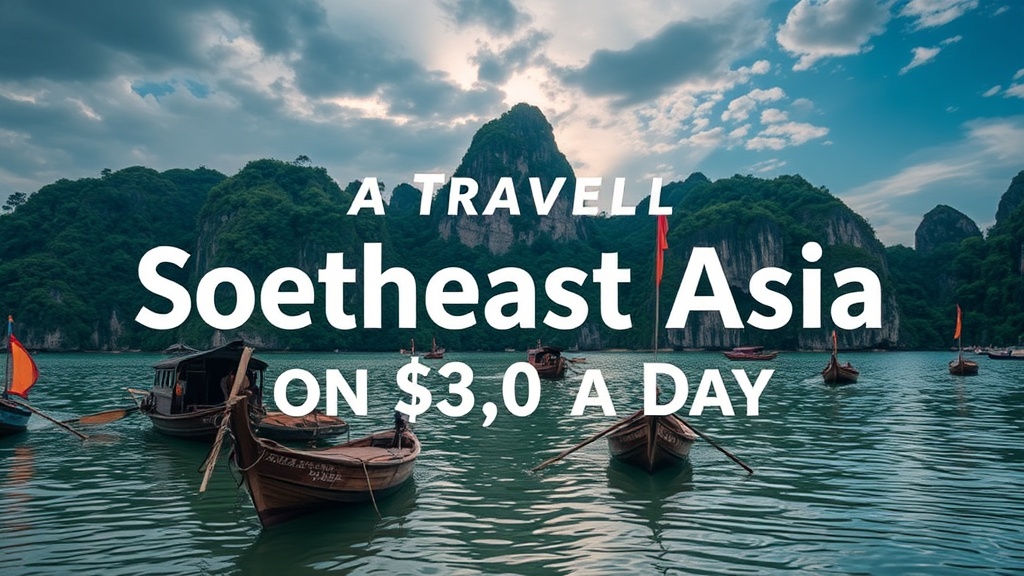
How to Travel Southeast Asia on $30 a Day: The Ultimate Budget Guide

Southeast Asia remains the world's most accessible budget travel destination, where $30 per day covers accommodation, food, transport, and activities across Thailand, Vietnam, Cambodia, Laos, Indonesia, and the Philippines. This guide breaks down exactly where that money goes, which countries stretch it furthest, and the specific strategies experienced travelers use to keep costs low while maximizing experiences. Whether planning a two-week vacation or a three-month backpacking trip, these numbers and methods provide a realistic framework for budget travel in the region.
The $30 Daily Budget Breakdown
A sustainable $30 daily budget in Southeast Asia allocates roughly: $8-12 for accommodation, $6-10 for food, $5-8 for transport, and $3-5 for activities and miscellaneous expenses. This breakdown varies by country—Thailand and Vietnam offer the best value, while Singapore and parts of Malaysia require budget adjustments.
Accommodation: $8-12 Per Night
Dormitory beds in quality hostels range from $4 in Chiang Mai, Thailand to $7 in Ho Chi Minh City, Vietnam. Private rooms with shared bathrooms in guesthouses start around $10 in Cambodia and Laos. Booking platforms like Hostelworld and Booking.com list verified options with ratings and recent reviews.
Specific examples from 2024 data:
- Chiang Mai, Thailand: $5-7 for dorm beds at hostels like Stamps Backpackers or D-Well Hostel
- Hanoi, Vietnam: $6-8 for dorms at Hanoi Backpackers Hostel or Central Backpackers
- Siem Reap, Cambodia: $4-6 for dorms, $12-15 for private doubles near Angkor Wat
- Luang Prabang, Laos: $7-10 for dorms, with many including free breakfast
- Yogyakarta, Indonesia: $5-8 for dorms at popular spots like The Cubic or OTU Hostel
Many hostels include complimentary breakfast, free Wi-Fi, and common areas for socializing. Some offer free walking tours or discounted activity bookings for guests.
Food: $6-10 Per Day
Street food dominates Southeast Asian cuisine and represents the best value for budget travelers. Local markets and roadside stalls serve meals for $1-3, while restaurant dining ranges from $3-8 per meal.
Sample daily food budget:
- Breakfast: $1-2 (noodle soup in Vietnam, roti in Thailand, or hostel breakfast if included)
- Lunch: $2-3 (banh mi sandwich in Hanoi for $1.50, pad thai in Bangkok for $2, nasi goreng in Indonesia for $2.50)
- Dinner: $3-5 (amok curry in Cambodia for $3, laap in Laos for $4, seafood barbecue in Philippines for $5)
- Water and snacks: $1-2
Avoid tourist-zone restaurants with English menus displaying photos—these typically charge 2-3x local prices. Instead, follow locals to crowded stalls. In Bangkok's Chinatown, a plate of khao soi costs $2 at street stalls versus $6 in riverside restaurants catering to visitors.
Transport: $5-8 Per Day
Getting around Southeast Asia cheaply requires mixing transport modes. Local buses and trains cost pennies, while tourist minibuses and flights consume large portions of the budget.
Typical transport costs:
- Local city buses: $0.20-0.50 per ride
- Tuk-tuks/moto-taxis: $1-3 for short trips (always negotiate prices beforehand)
- Overnight buses between cities: $8-15 depending on distance
- Train travel: $5-20 for sleeper berths on popular routes like Bangkok to Chiang Mai ($15-25)
- Grab rideshare: Often cheaper than taxis and tuk-tuks in major cities—Bangkok to airport runs $8-12
The 12-hour overnight bus from Ho Chi Minh City to Phnom Penh costs approximately $12-15, saving a night's accommodation while covering distance. The Reunification Express train from Hanoi to Da Nang (16 hours) offers sleeper berths starting at $20.
Activities and Miscellaneous: $3-5 Per Day
Many of Southeast Asia's best experiences cost little or nothing. Temples, markets, beaches, and hiking trails are often free or charge minimal entry fees.
Activity costs at a glance:
- Angkor Wat (Cambodia): $37 for a one-day pass—budget travelers often purchase this and spend full days exploring
- Temple entry in Thailand: $3-6 per major temple
- Cooking classes: $15-25 for half-day classes (worth the splurge every 10-14 days)
- Island boat tours: $15-30 for day trips in Thailand's Gulf or Andaman Sea
- Snorkeling trips: $20-40 in the Philippines or Indonesia
- Massages: $5-8 per hour in Thailand and Cambodia
Free activities include temple hopping in Chiang Mai's old city, walking tours in Hanoi's French Quarter, exploring Bangkok's Chatuchak Weekend Market, and swimming at public beaches across the region.
Country-by-Country Budget Reality
Not all Southeast Asian countries fit the $30 budget equally. Here's how far $30 stretches in each major destination:
Thailand: The Budget Sweet Spot
Northern Thailand (Chiang Mai, Pai) offers exceptional value—$25-28 per day covers comfortable travel. Bangkok runs $30-35 daily, while southern islands like Koh Phi Phi and Koh Samui push costs to $35-40 due to inflated accommodation and transport prices.
Budget hacks for Thailand:
- Eat at university cafeterias in Bangkok—meals cost $1-2
- Take government buses instead of tourist minibuses
- Visit during shoulder season (April-May, September-October) for 30% lower accommodation rates
- Use the Grab bike service in Bangkok—rides cost $1-3 versus $5-10 for car taxis
Vietnam: Maximum Value
Vietnam offers the region's best value proposition. Travelers report spending $20-25 daily while living comfortably. Street food costs $1-2 per meal, hostels average $5-7, and domestic transport is cheap—open bus tickets from Ho Chi Minh City to Hanoi (35+ hours) cost $25-30.
The currency (Vietnamese Dong) works in travelers' favor—1 USD equals approximately 25,000 VND. A bia hoi (fresh beer) in Hanoi costs 5,000 VND ($0.20). A bowl of pho costs 30,000-40,000 VND ($1.20-1.60).
Cambodia: Low Costs, High Experiences
Cambodia matches Vietnam for affordability with the notable exception of Angkor Wat's $37 entry fee. Outside Siem Reap, $25 per day suffices comfortably. Phnom Penh and Kampot offer excellent value, with dorm beds at $4-6 and meals at $2-3.
The Cambodian Riel trades at 4,000 to the USD, though dollars are widely accepted. ATMs dispense dollars, making currency management simple for visitors.
Laos: Quiet and Affordable
Laos runs slightly pricier than Vietnam and Cambodia due to limited infrastructure, though $30 per day remains achievable. Luang Prabang costs more than Vang Vieng or the 4,000 Islands region. Tubing in Vang Vieng (the area's famous activity) costs $10-15 including transport and equipment rental.
Indonesia: Island Variations
Java and Sumatra offer budget travel at $25-30 daily. Bali, particularly the Canggu and Seminyak areas, has gentrified significantly—budget travelers now need $35-40 daily. The Gili Islands and Nusa Penida fall between these ranges.
Yogyakarta on Java represents Indonesia's best value, with $20-25 daily budgets covering Borobudur temple visits ($25 entry), quality hostels ($5-7), and exceptional street food ($1-2 per meal).
Philippines: Higher Transport Costs
The Philippines' archipelago geography increases transport costs significantly. While accommodation and food match mainland prices at $5-8 and $6-10 respectively, island-hopping ferries and domestic flights consume budget quickly. A realistic Philippines budget runs $35-40 daily unless limiting movement to one or two islands.
Money-Saving Strategies That Work
Book Accommodation Directly
Hostels often offer 10-15% discounts for direct bookings versus platform reservations. Message properties via Instagram or email before arriving. Long-term stays (7+ days) typically qualify for 20-30% nightly rate reductions—negotiate upon arrival rather than booking online.
Travel Slowly
Transport costs destroy tight budgets. Spending 5-7 days per location versus 2-3 reduces daily transport expenses from $8-10 to $3-5. Slow travel also enables cooking some meals, negotiating better accommodation rates, and discovering local eating spots away from tourist centers.
Use Local SIM Cards
International roaming charges add up quickly. Local SIM cards with 30-day data packages cost $5-10 throughout Southeast Asia. In Thailand, AIS and TrueMove H offer tourist SIMs with unlimited data for 299 baht ($8). Vietnam's Viettel provides 30-day packages with 12GB for $5. These enable navigation, translation apps, and booking platforms without Wi-Fi dependency.
Drink Responsibly
Alcohol represents the fastest way to destroy a $30 budget. A $2 cocktail in tourist bars quickly becomes four drinks totaling $15-20. Local beer costs $1-2 at convenience stores versus $3-5 at bars. Many travelers maintain budget discipline by purchasing drinks at 7-Elevens or Family Marts and enjoying them at hostel common areas.
Carry USD Cash
US dollars serve as unofficial currency in Cambodia and are widely accepted throughout Laos and Vietnam. Carrying small denominations ($1, $5, $10) avoids poor exchange rates at airports and tourist areas. ATMs in Southeast Asia typically charge $3-5 withdrawal fees—minimize transactions by withdrawing larger amounts less frequently.
Sample Weekly Budget ($210)
Day 1 (Chiang Mai): $8 dorm + $8 food + $2 transport + $5 temple visits = $23
Day 2 (Chiang Mai): $8 dorm + $7 food + $3 transport + $10 cooking class = $28
Day 3 (Travel to Bangkok): $15 overnight bus + $6 food = $21
Day 4 (Bangkok): $10 dorm + $10 food + $4 transport + $6 Grand Palace = $30
Day 5 (Bangkok): $10 dorm + $8 food + $3 transport + $5 massage = $26
Day 6 (Travel to Siem Reap): $12 bus + $5 food = $17
Day 7 (Siem Reap/Angkor Wat): $6 dorm + $8 food + $5 tuk-tuk share + $37 Angkor pass = $56
Total: $201 with $9 buffer for water, snacks, or minor emergencies.
When to Splurge
Budget travel doesn't mean deprivation. Strategic splurges enhance the experience without breaking the bank:
- Halong Bay cruise (Vietnam): $60-80 for two days including meals—a worthwhile exception to the daily budget
- Scuba diving certification (Thailand): $250-300 for PADI Open Water on Koh Tao—cheapest globally
- Temple passes: Angkor Wat's $37 entry delivers multiple days of exploration
"The $30 budget isn't about restriction—it's about prioritization. Spend less on accommodation to afford experiences. Eat street food to fund activities. The math works when approached intentionally."
Southeast Asia rewards prepared travelers with authentic experiences at prices unmatched elsewhere. The $30 daily budget requires discipline, local engagement, and strategic planning, but delivers months of travel through diverse cultures, landscapes, and cuisines without financial strain.