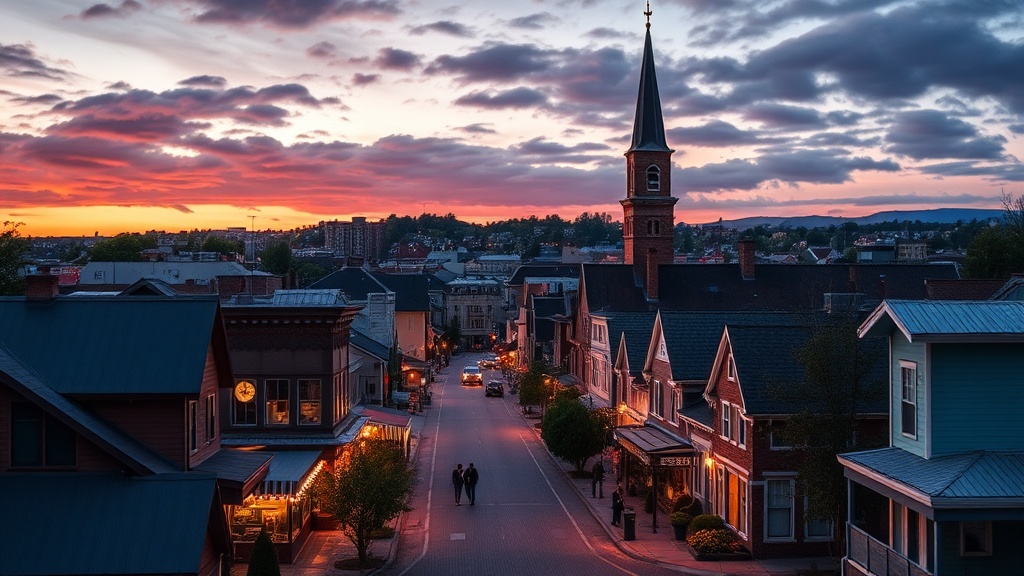
Why You Should Visit Small Towns Instead of Major Cities

A single plate of handmade pasta costs €6 in a small village in Tuscany, compared to €22 for a similar dish in central Florence. While major cities offer high-energy landmarks and famous museums, small towns provide the actual substance of a culture at a fraction of the cost. This guide explains why shifting your travel focus from metropolitan hubs to smaller municipalities will save you significant money, reduce travel fatigue, and provide a more authentic connection to the places you visit.
The Financial Advantages of Small-Town Travel
The most immediate benefit of choosing a small town over a major capital is the reduction in daily expenses. In cities like London, Paris, or Tokyo, you are often paying a "convenience tax" for being in a high-demand area. Small towns operate on local economies rather than tourist economies.
Accommodation Savings
In major cities, even budget hostels often charge premium prices because of high land value. In a small town, your money goes much further. Instead of a cramped bunk in a 12-bed dorm in Berlin, a budget of $40 a day might allow you to book a private room in a local guesthouse or a small family-run B&B. Look for accommodations listed on sites like Booking.com or Airbnb that are located 20–30 minutes outside of major hubs; you will often see prices drop by 40% or more.
Dining and Food Costs
Major cities are saturated with international chains and overpriced tourist cafes. In a small town, the menu is dictated by what is locally available and affordable for the residents. You will find that "specialty" items are actually the standard fare. For example, instead of paying for a processed sandwich at a high-street chain, you can find fresh, local ingredients at a local market. To maximize your budget, use grocery stores to save money on meals by purchasing local cheeses, breads, and fruits to create your own picnics.
Reduced Transportation Expenses
Navigating a mega-city often requires expensive subway passes, ride-shares, or constant taxi rides to get from one landmark to another. In a small town, most essential sites are within walking distance or a short bike ride. If you do need to move between towns, regional trains or local buses are significantly cheaper than the high-frequency transit systems found in metropolitan areas. If you are traveling between regions, use public transit instead of ride shares to keep your daily transport budget under $5.
Authentic Cultural Immersion
Major cities are often "globalized," meaning you can walk down a street in New York and see the same Starbucks or H&M that you see in London. Small towns have not been homogenized by global retail. They retain their unique linguistic, culinary, and social identities.
Real Social Interaction
In a city, people are often in a rush, and the sheer volume of tourists creates a barrier between you and the locals. In a small town, the pace is slower. You are more likely to engage in actual conversation with a shopkeeper or a cafe owner. This isn't just a social perk; it is a way to gather real-time travel intel. A local can tell you which hiking trail is currently muddy or which bakery has the best seasonal fruit, information you won't find in a top-10 TripAdvisor list.
Access to Local Traditions
Many cultural traditions, festivals, and crafts are concentrated in rural areas rather than city centers. For instance, if you want to see traditional pottery in Portugal, you are more likely to find an active workshop in a village in the Alentejo region than in the middle of Lisbon. These experiences are usually much more affordable and offer a direct look at how people actually live and work.
Practical Strategies for Planning Small-Town Trips
Traveling to smaller destinations requires a different level of preparation than a standard city break. You cannot rely on the same level of infrastructure or instant information. Follow these steps to ensure your trip is seamless.
1. Research Transportation Hubs First
Before booking anything, check how you will actually get to the town. Small towns may not have an airport, so you will likely be relying on regional trains or buses. Use tools like Google Maps or Omio to check frequency. If a bus only runs twice a day, you must plan your arrival and departure strictly around those times. Never assume there will be a ride-share available at 11:00 PM.
2. Use the "Hub and Spoke" Method
If you are worried about being too isolated, use a larger city as your "hub" and a small town as your "spoke." Stay in the major city for one night to handle any major logistics or heavy laundry, then move to the smaller town for the bulk of your trip. This allows you to enjoy the high-energy sights of the city without paying the high daily costs for the entire duration of your vacation.
3. Download Offline Maps
Cell service can be spotty in rural areas or mountainous regions. Before you leave your hotel or the major city, download the offline area on Google Maps. This ensures that even if you lose data connection, you can still navigate using GPS to find your way back to your accommodation or the local train station.
4. Pack for Versatility
Small towns often lack the specialized retail stores found in cities. You won't find a specialized hiking shop or a high-end pharmacy on every corner. Pack a versatile kit that includes:
- A reusable water bottle (to save on buying bottled water).
- A basic first-aid kit (including blister pads and antihistamines).
- Comfortable walking shoes (for cobblestone streets).
- A lightweight power bank (to keep your phone charged during long transit days).
Comparing the Experience: A Practical Example
To illustrate the difference, let's look at a hypothetical day in two different locations in Spain: Barcelona (Major City) vs. Altea (Small Coastal Town).
| Expense Category | Barcelona (Estimated) | Altea (Estimated) |
|---|---|---|
| Accommodation | $85 (Hostel Dorm) | $45 (Local Guesthouse) |
| Lunch | $18 (Sit-down Cafe) | $9 (Local Bakery/Market) |
| Daily Transport | $7 (Metro/Bus) | $0 (Walking) |
| Coffee/Snack | $5 (Specialty Shop) | $2 (Local Bar) |
| Total Daily Cost | $115 | $56 |
As the table shows, the daily cost in the small town is nearly 50% lower. This allows you to stay longer or allocate that saved money toward a higher-quality experience, like a guided boat tour or a high-end local dinner.
Common Pitfalls to Avoid
While small towns are rewarding, there are a few mistakes that can disrupt your budget or your comfort. Being aware of these will help you navigate rural travel like a professional.
- Assuming Everything is Open: Many small-town businesses operate on "Siesta" schedules or have limited hours on Mondays and Tuesdays. Always check the operating hours of restaurants or museums before heading out.
- Relying on English: While many people in small towns speak English, it is often not as widespread as in major tourist hubs. Download a translation app like Google Translate and download the local language for offline use.
- Overpacking: If you are moving between small towns via local buses or trains, you may have to carry your luggage through narrow streets or up stairs. Keep your gear light and manageable.
By choosing the smaller, quieter, and more affordable paths, you aren't just saving money—you are gaining a deeper understanding of the world. You move from being a spectator of a city's highlights to a participant in a community's daily life.