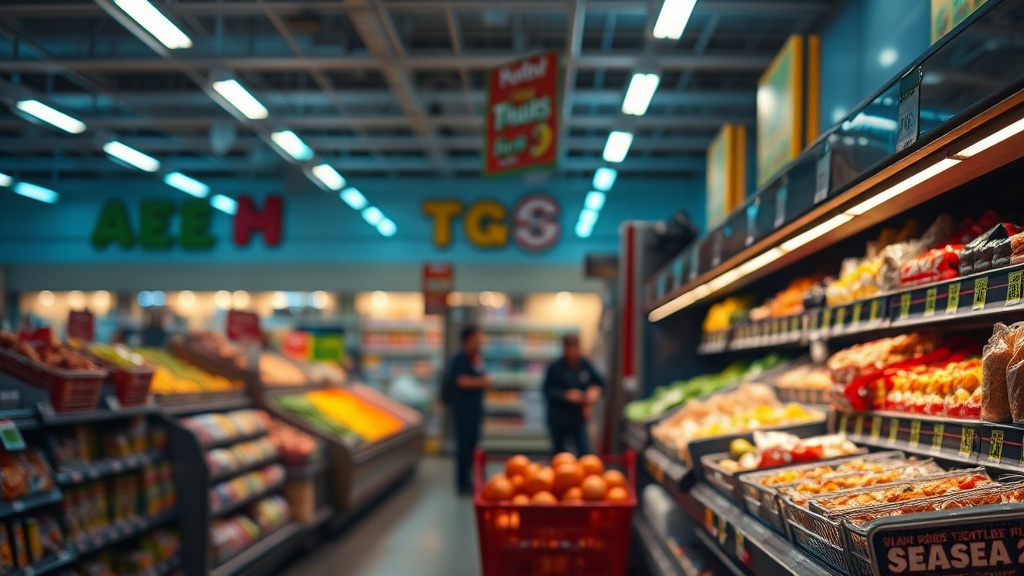
How to Use Grocery Stores to Save Money on Meals

This guide teaches you how to use local grocery stores to significantly reduce your daily food budget while traveling. You will learn how to identify affordable food sources, shop strategically in different countries, and prepare simple meals to keep your daily spending under $40. Mastering grocery shopping is the single most effective way to extend your travel duration without sacrificing nutrition or flavor.
The Strategy of Grocery-Based Travel
Eating out at restaurants or even grabbing quick street food can quickly consume 50% to 70% of a modest daily budget. While street food is often cheap in Southeast Asia or Central America, it becomes a massive expense in Western Europe or North America. By shifting your primary food source from restaurants to grocery stores, you gain control over your daily variable costs. This approach works best when you combine grocery shopping with specific accommodation types that offer kitchen access, such as accommodation without staying in hostels like studio apartments or guesthouses.
The goal is not to eat bland food, but to use the grocery store as your "pantry" for the week. Instead of buying three expensive meals a day, you buy ingredients that can be repurposed. This allows you to spend your money on experiences—like a museum entry or a guided hike—rather than on overpriced tourist menus.
Identifying the Right Type of Store
Not all food retailers are created equal. Depending on your destination, you need to know which sign to look for to ensure you are getting the best value.
Supermarkets vs. Local Markets
Supermarkets are standardized and predictable. In countries like Germany or France, chains like Aldi, Lidl, or Carrefour are reliable for low prices and consistent quality. These are excellent for buying non-perishables like pasta, rice, canned beans, and olive oil. However, supermarkets often lack the freshness and lower price points of local wet markets or open-air markets.
Local markets—such as the Mercado Central in many Latin American cities or the wet markets in Thailand—are where you should buy your fresh produce, fruits, and proteins. The prices for seasonal items like mangoes in Vietnam or tomatoes in Italy are significantly lower at a market than at a high-end supermarket. The trade-off is that markets often have shorter operating hours and may require more cash on hand.
Discount and Convenience Stores
In many parts of the world, convenience stores like 7-Eleven (common in Japan and Thailand) or Tesco Express (UK) are highly efficient for single-serving meals. While they are more expensive than a full supermarket, they offer high-quality, ready-to-eat options like Onigiri or pre-made sandwiches that are perfect for days when you are on the move and don't have access to a kitchen.
Essential Grocery Shopping Tactics
To keep your costs low, you must shop with intention. Wandering the aisles without a plan leads to "impulse buying," which is the enemy of a $40/day budget.
- Shop the Perimeter: Most grocery stores place fresh produce, dairy, and proteins on the outer edges of the store. The middle aisles are typically filled with processed, shelf-stable, and more expensive packaged goods.
- Buy Generic Brands: In the US, look for "Great Value" or "Kirkland"; in the UK, look for "Essentials" or "Value" ranges. These products are often manufactured in the same facilities as name brands but cost 30% to 50% less.
- Check the Unit Price: Don't just look at the total price. Look at the price per kilogram or price per liter. Sometimes a larger bag of rice is cheaper per gram, but a smaller bag might be a better immediate value if you are only traveling for a few days.
- Avoid Pre-Cut Produce: A pre-cut melon or a bag of washed salad is convenient, but you are paying a massive premium for the labor. Buy the whole fruit or vegetable and do the work yourself to save money.
Building a Budget Travel Pantry
When you arrive in a new city, your first task is to build a "base" of non-perishable items. These items will form the foundation of almost every meal you make and will last for weeks. Focus on these high-calorie, low-cost staples:
- Carbohydrates: Rice, pasta, oats, and potatoes. These are the cheapest way to fill up.
- Proteins: Canned beans, lentils, eggs, and peanut butter. These provide sustained energy and are much cheaper than buying fresh meat every day.
- Fats and Flavors: A small bottle of olive oil or vegetable oil, salt, pepper, and a versatile spice blend (like curry powder or dried oregano).
Once you have these staples, you only need to buy "fresh" items like vegetables or a single protein source to complete a meal. For example, if you have rice, oil, and salt, you only need to buy a bag of frozen vegetables and a carton of eggs to make a highly nutritious and cheap fried rice.
Navigating International Grocery Stores
Shopping in a foreign language can be intimidating, but it is a skill that pays off. Use these techniques to navigate effectively:
Use Visual Translation Tools
Download the Google Translate app and use the "Camera" feature. You can point your phone at a shelf of products, and the app will overlay the translation in real-time. This is essential for identifying ingredients like "soy sauce" vs. "fish sauce" or ensuring you aren't buying something with an allergen.
Understand Local Staples
Before you arrive, research the basic food staples of the region. In many parts of Southeast Asia, you can find extremely cheap bags of jasmine rice and packets of coconut milk. In Mediterranean countries, bread and local cheeses are affordable staples. Knowing what the "cheap" items are prevents you from accidentally buying "imported" goods, which are always overpriced.
Meal Planning for Travelers
The biggest mistake travelers make is buying ingredients for a single, complex recipe. If a recipe requires one teaspoon of a specific spice that costs $5, you have failed the budget test. Instead, use the "Component Method."
The Component Method: Instead of making a specific dish, buy components that can be mixed in different ways. For example:
- Day 1: Rice + Black Beans + Avocado (A hearty bowl).
- Day 2: Rice + Egg + Soy Sauce (Fried rice).
- Day 3: Tortillas + Black Beans + Cheese (A quick wrap).
By using the same base ingredients (Rice and Beans) across different meals, you reduce waste and ensure you use everything you buy before it spoils.
Managing Food Storage and Hygiene
When you are traveling, you might not always have a full-sized refrigerator. This affects what you can buy.
If your accommodation only has a small "minibar" or no fridge at all, avoid buying highly perishable items like fresh milk, raw meat, or soft cheeses. Instead, opt for UHT (Ultra-High Temperature) milk, which is shelf-stable until opened, or hard cheeses like Parmesan that last longer. If you are staying in a hostel, ensure you use the communal fridge and clearly label your food with a permanent marker and tape to avoid theft or confusion.
Always carry a reusable water bottle and a small, lightweight set of cutlery. This allows you to buy food from grocery stores or bakeries and eat on the go without having to purchase single-use plastic utensils or expensive bottled water. This is particularly helpful when you want to enjoy a local snack in a park or near a landmark without spending money at a cafe.
The Daily Breakdown: A Practical Example
To see how this impacts a $40/day budget, let's look at a hypothetical day in Lisbon, Portugal. If you ate out for every meal, you might spend $45-50 just on lunch and dinner at mid-range cafes.
- Breakfast: Oatmeal with a banana and coffee made in your room (Cost: ~$1.50)
- Lunch: A fresh baguette, a small wedge of cheese, and an apple from a local Pingo Doce supermarket (Cost: ~$4.00)
- Dinner: Pasta with canned tuna, olive oil, and garlic (Cost: ~$3.50)
- Daily Total: $9.00
By spending only $9.00 on food, you have $31.00 remaining for your daily budget. This surplus can be used for a nice dinner out one night, a guided walking tour, or saved for a larger excursion later in your trip. This is the essence of budget travel: using grocery stores to subsidize your experiences.
Steps
- 1
Visit Local Supermarkets Instead of Tourist Shops
- 2
Buy Seasonal Produce and Local Staples
- 3
Check for Ready-to-Eat Sections
- 4
Use a Small Portable Kitchen or Shared Space