Why You Should Use Local Public Transit Instead of Ride Shares

You are standing on a street corner in Mexico City, looking at your phone. A ride-share app shows a car arriving in four minutes, but the fare is 180 Pesos ($10 USD). Meanwhile, the Metro station is just a block away, and a single trip costs only 5 Pesos ($0.30 USD). Choosing the ride-share might feel more convenient in the moment, but over a week-long trip, those small surcharges accumulate into the cost of a nice dinner or a museum entry. This guide breaks down why prioritizing local public transit over ride-sharing apps like Uber or Lyft is the single most effective way to protect your daily travel budget while actually improving your travel experience.
The Financial Breakdown: Ride-Shares vs. Public Transit
The most obvious reason to choose public transit is the immediate impact on your daily spending. Ride-sharing services operate on a dynamic pricing model. When it rains in London, or when a concert ends in Berlin, "surge pricing" can double or even triple your fare instantly. Public transit, however, operates on fixed rates or zone-based systems that remain predictable regardless of demand.
Calculating the Real Cost
To understand the math, look at a typical day of sightseeing. If you are in a city like Bangkok or Hanoi, you might move between three or four different locations: a breakfast spot, a temple, a lunch area, and a night market.
- The Ride-Share Scenario: Three short trips via Grab or Uber might cost you roughly $15 to $20 USD total.
- The Public Transit Scenario: Using the BTS Skytrain in Bangkok or the local bus system would likely cost you less than $3 USD for the entire day.
By the end of a 10-day trip, you have saved over $130 USD just by switching your transportation method. That is enough to fund an extra two or three days of travel or upgrade your accommodation quality. If you are trying to travel Southeast Asia on a strict $30 a day budget, these savings are not just helpful—they are mandatory.
Navigating the Logistics: Tools and Techniques
The primary reason travelers default to ride-sharing is the fear of getting lost or being unable to navigate a complex system. However, modern technology has eliminated much of this friction. You do not need to master a physical paper map to get around efficiently.
Use Digital Transit Aggregators
Before you leave your accommodation, check your route on Google Maps or Citymapper. These apps are highly accurate in major hubs like Tokyo, New York, or Paris. They provide real-time data on bus arrivals, subway delays, and even which specific exit of a station you should use to be closest to your destination. Knowing exactly which platform to stand on reduces the anxiety of using unfamiliar systems.
Master Local Payment Systems
One of the biggest hurdles to using transit is the payment method. Many cities are moving away from cash-only ticket machines. To save time and avoid confusion, research the local transit card before you arrive.
- London: You can use "Contactless" via your phone's digital wallet (Apple Pay/Google Pay) to tap through the Tube gates.
- Tokyo: Purchase a Suica or Pasmo card. These can be loaded onto your iPhone via the Wallet app, allowing you to tap through gates without finding a machine.
- New York City: The OMNY system allows you to tap your credit card or phone directly at the turnstile.
Having a digital card ready means you aren't fumbling with coins or struggling with a machine that doesn't accept your specific currency.
The Cultural and Observational Advantage
When you sit in the back of an Uber, you are in a private bubble. You see the city through a window, but you are disconnected from the rhythm of the place. Public transit forces you to interact with the local environment in a way that is much more rewarding for a budget traveler.
Observing Local Life
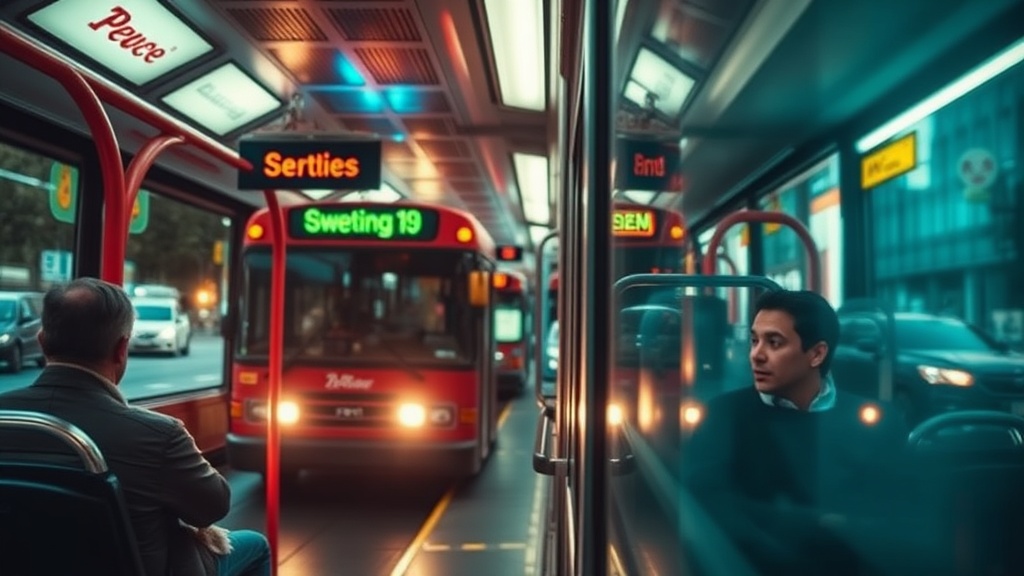
On a subway in Seoul or a bus in Buenos Aires, you see how people actually live. You see the commuters, the students, and the local families. You observe the social norms—where people stand, how quiet they are, and how they interact. This provides a layer of cultural immersion that a private car simply cannot offer. You learn the "vibe" of different neighborhoods by seeing who frequents the transit lines that lead to them.
Finding Hidden Gems
Ride-share drivers often stick to main arteries and tourist-friendly routes. Local buses and trams, however, often wind through residential neighborhoods and smaller side streets. You might find a small, family-run café or a local park that doesn't appear on the top ten lists of TripAdvisor, simply because your bus route took you through a non-tourist area. This is how you find the best "off-the-beaten-path" experiences without spending extra money.
Practical Tips for Stress-Free Transit
To avoid the common pitfalls of public transportation, follow these tactical steps to ensure your transit experience is as smooth as possible.
- Download Offline Maps: Download the offline area of your destination on Google Maps. If you lose data connection while riding a bus or train, you will still be able to see your location and your stop.
- Carry Small Denominations: If a city requires physical cash for transit (like many cities in Central America or parts of Eastern Europe), carry small bills and coins. Trying to pay for a single bus fare with a large denomination bill is a common way to get stuck.
- Identify the "Last Mile" Solution: Public transit often gets you 90% of the way to your destination. Instead of calling a ride-share for that final kilometer, look for local solutions like bike-sharing programs (e.g., Santander Cycles in London) or electric scooters. These are significantly cheaper than a car.
- Watch the Time: Public transit is highly reliable during peak hours, but in many cities, service drops significantly after 10:00 PM or on weekends. Always check the "last train" time for your route so you aren't stranded.
When to Break the Rule: The Exception to the Transit-First Approach
While public transit should be your default, there are specific instances where a ride-share is a smarter tactical decision. Recognizing these moments will prevent you from wasting more time than money.
Safety and Late-Night Travel
If you are in an unfamiliar city late at night and the local transit system is unreliable or requires walking through poorly lit areas, a ride-share is a valid safety choice. The extra $10 is a small price to pay for the peace of mind of being dropped off directly at your door. In these cases, use a reputable app like Uber or Bolt rather than hailing a random car on the street.
Group Travel Efficiency
If you are traveling in a group of four or more, the math changes. A single ride-share for four people can sometimes be comparable in price to four individual transit tickets, especially if you are traveling a long distance. In this specific scenario, the convenience of moving as a single unit outweighs the slight savings of individual transit fares.
Heavy Luggage and Limited Mobility
If you have just arrived at the airport or train station with two large suitcases, navigating stairs and crowded platforms can be physically exhausting and difficult. For these "transition" moments, a ride-share or a local taxi is a justifiable expense to preserve your energy for actual sightseeing.
Summary Checklist for Your Next Trip
Before you arrive at your next destination, run through this quick checklist to ensure you are ready to skip the ride-share apps and save money:
- [ ] Have I checked if the city uses a digital transit card (Suica, Octopus, Oyster, etc.)?
- [ ] Is my transit card loaded onto my phone's digital wallet?
- [ ] Have I downloaded the local transit app or updated Google Maps for this region?
- [ ] Do I have a small amount of local cash for areas that are not digital-friendly?
- [ ] Do I know the "last transit" times for the area where I am staying?
By making public transit your primary mode of movement, you aren't just saving money—you are gaining a deeper, more authentic connection to the places you visit. Every dollar saved on a bus fare is a dollar you can spend on a memorable experience later in your trip.