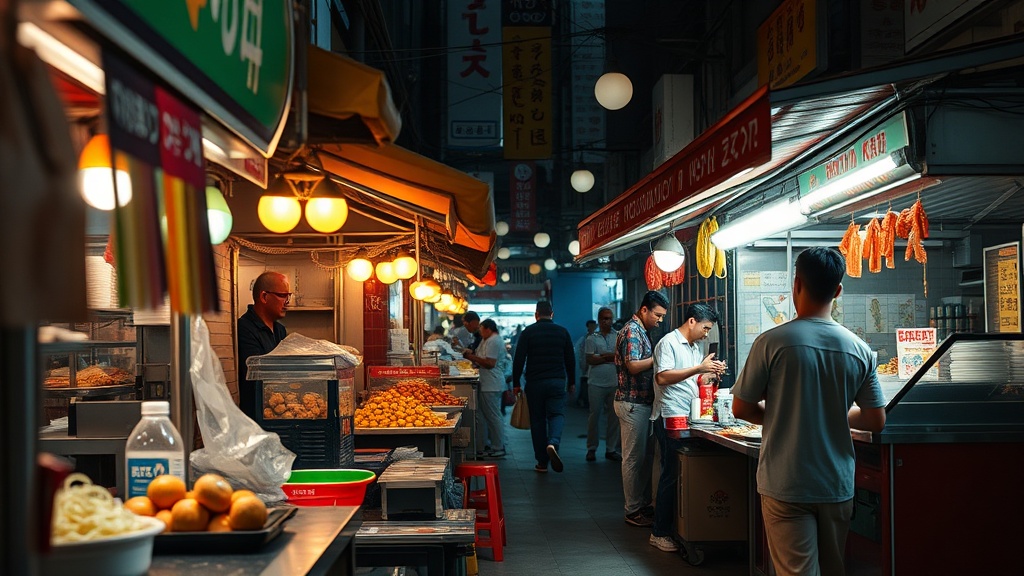
Why You Should Eat at Street Food Stalls Instead of Restaurants

The Hidden Cost of Sit-Down Dining
Many travelers assume that sitting down in a formal restaurant is the safest and most "sanitary" way to eat while abroad, but this misconception often leads to overpaying for mediocre food and missing out on the actual culture of a destination. Choosing street food stalls over traditional restaurants is not just a way to save money; it is a strategic decision that improves your food quality, increases your mobility, and allows you to experience a destination's authentic flavors. This post breaks down the logistical, financial, and cultural advantages of prioritizing street vendors during your travels.
When you budget for a trip, food is often the largest variable expense. A single dinner at a mid-range restaurant in a tourist hub like Bangkok or Rome can easily consume 30% to 50% of a daily $40 budget. By shifting your dining habits toward street food, you can reduce your daily food expenditure by up to 70%, freeing up funds for activities, transport, or better accommodation. However, eating on the street requires a specific set of rules to ensure you are eating safely and efficiently.
The Financial Impact of Street Food vs. Restaurants
The math behind street food is simple: you are paying for the ingredients and the labor, not the overhead. A restaurant must pay for air conditioning, waitstaff, decor, and high rent in a prime location. When you buy a plate of Pad Thai from a vendor in a night market in Chiang Mai, you are paying for the noodles, the shrimp, and the heat. There is no bill to wait for, no service charge, and no tip expected in many cultures.
To visualize the savings, consider a typical day in Southeast Asia or Central America. A restaurant meal might cost $12 to $15 USD. A street food equivalent, such as Bao buns in Taiwan or Arepas in Colombia, will typically cost between $2 and $4 USD. Over a 10-day trip, this difference can save you over $100—enough to cover two nights in a decent guesthouse or several days of local transportation. If you are looking to stretch your budget, using grocery stores to supplement your meals can further optimize these savings, but street food remains the gold standard for cheap, hot, and fresh meals.
Quality and Freshness: The Myth of Restaurant Superiority
A common fear is that street food is less "fresh" than restaurant food. In reality, the opposite is often true. High-traffic street stalls rely on high turnover. Because they sell a limited menu, they must cook in high volumes and move through their inventory quickly to keep up with the lunch or dinner rush. This means the ingredients are rarely sitting in a fridge for days; they are being cooked and sold within hours.
Look for these three indicators of high-quality street food:
- High Turnover: Look for the longest line. A long queue of locals is the best indicator that the food is fresh and the turnover is high, ensuring nothing sits out too long.
- Made-to-Order Cooking: Avoid stalls that have large trays of pre-cooked food sitting under lukewarm heat lamps. Instead, look for vendors who cook the meal right in front of you, such as a Teppanyaki chef or a vendor tossing noodles in a wok.
- Visible Cooking Process: High heat is your friend. Whether it is a high-flame wok or a boiling pot of broth, high temperatures kill most bacteria. If the food is being cooked at a high temperature right before it hits your plate, it is generally safer than food that has been sitting on a buffet.
Navigating Food Safety and Hygiene
While the risks are lower than social media rumors suggest, you should still use a tactical approach to avoid getting sick. A single bout of food poisoning can derail a multi-day itinerary. Follow these practical rules to minimize risk:
- Watch the Water: Never accept ice in areas where the water quality is questionable. In many parts of Southeast Asia, ice is commercially produced and safe, but in rural areas, it is better to stick to bottled water or tea.
- Check the Oil: If you are eating fried foods, look at the oil. If it is dark, thick, or smoking heavily, skip it. Fresh, clear oil is a sign of a well-maintained stall.
- The "One Dish" Rule: If you are nervous, stick to vendors who specialize in only one or two items. A vendor who only makes Tacos al Pastor is likely an expert in that specific dish and maintains a very consistent supply chain for those specific ingredients.
- Observe the Staff: While you shouldn't expect a Michelin-star level of hygiene, look for basic indicators like a vendor using tongs or a spatula rather than bare hands to handle food.
Cultural Immersion and Mobility
Eating at a restaurant often isolates you from the rhythm of the city. You are tucked away in an air-conditioned box, separated from the street by glass and a menu in English. Street food, however, puts you in the center of the action. You are standing next to locals, hearing the actual sounds of the city, and interacting with the community in a way that a seated dining experience doesn't allow.
Furthermore, street food increases your mobility. When you are traveling on a budget, you often want to move between sites frequently. Sitting down for a 90-minute lunch can kill your momentum. Street food is designed for speed. You can grab a Crepe in Paris from a street vendor or a Kebap in Istanbul and continue walking toward your next destination. This allows you to see more of a city in a single day without being anchored to a specific dining schedule.
Practical Tips for the Budget Traveler
To make the most of your street food experiences, keep a few logistical items in your day pack. Being prepared allows you to eat anywhere without being inconvenienced.
The Essential Kit:
- Hand Sanitizer/Wet Wipes: You won't always have access to a sink, and clean hands are your first line of defense.
- Small Change: Many street vendors do not accept credit cards or even large bills. Always carry small denominations of local currency.
- A Reusable Water Bottle: This helps you stay hydrated without constantly buying single-use plastics, which also saves money.
- Tissues/Napkins: Street food can be messy. Don't rely on the vendor to provide high-quality napkins.
If you find yourself in an area where street food isn't an option or you need a break from the heat, remember that you can also find cheap local coffee and tea at small kiosks to refuel without the price tag of a cafe.
When to Skip the Street Stall
Despite the benefits, there are times when you should opt for a formal establishment. If you are traveling with a group that has highly sensitive digestive systems, or if you are in a region where you are strictly avoiding certain allergens, a restaurant provides a more controlled environment. Additionally, if you are looking for a specific, high-end culinary experience—like a multi-course tasting menu—street food will not satisfy that craving. Use street food for your daily fuel and cultural immersion, but save the restaurants for special occasions or when you specifically need a controlled environment.
By embracing the street food culture, you aren't just saving money; you are choosing a more authentic, mobile, and vibrant way to experience the world. It turns a simple meal into an adventure rather than just a task to be completed.