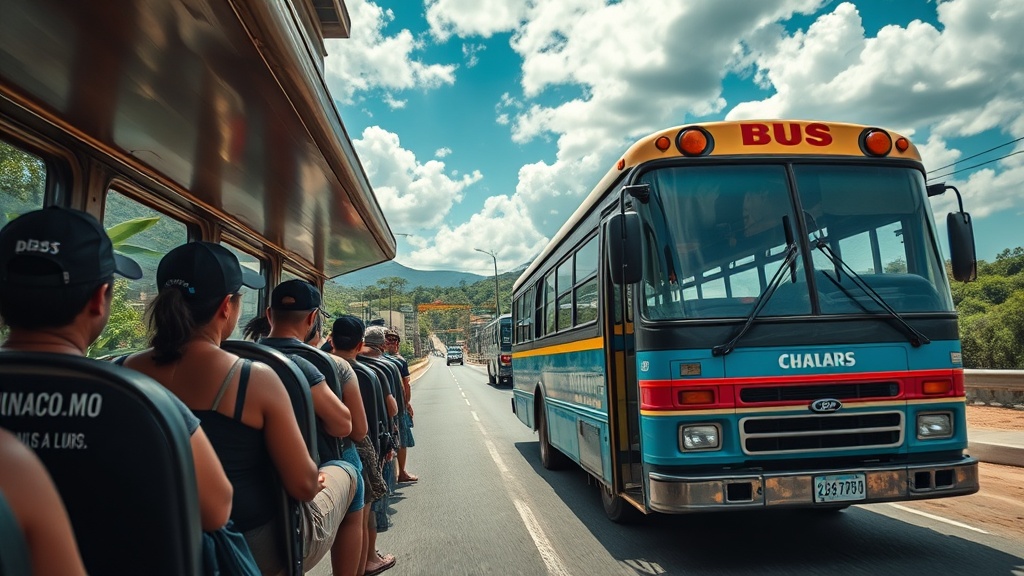
Navigating Central America by Bus and Shared Shuttle

Are you trying to figure out if you should book a private shuttle or just hop on a local bus to get across Central America? This guide breaks down the differences between public buses, tourist shuttles, and long-distance coaches so you can choose the best method for your budget and timeline. We'll look at costs, comfort levels, and how to actually find these rides without getting stranded.
How much does it cost to travel Central America by bus?
You can travel between most Central American countries for anywhere from $5 to $30 per trip depending on whether you choose a local bus or a tourist shuttle. Local buses are the cheapest option, often costing less than $10 for long stretches, while tourist shuttles are more expensive but much faster. If you're on a strict budget—like the $40/day lifestyle—sticking to local buses is the way to go.
To give you a better idea of what to expect, look at this breakdown of typical transit costs:
| Transport Type | Average Cost (USD) | Comfort Level | Speed |
|---|---|---|---|
| Local Public Bus | $2 - $12 | Low (Basic seating, no AC) | Slow |
| Chicken Bus (School Bus Style) | $1 - $5 | Very Low (Crowded, loud) | Unpredictable |
| Tourist Shuttle (Shared Van) | $25 - $45 | High (AC, luggage space) | Fast |
| First-Class Coach (ADO/Ticabus) | $15 - $35 | Medium-High (Reclining seats) | Moderate |
Don't expect luxury on the local lines. You might be sitting next to someone's bag of plantains or a crate of chickens (it happens more than you'd think). But if you're following a strategy similar to my low-cost South America plan, these few dollars saved can mean an extra night in a hostel or a much better meal.
What is the difference between a chicken bus and a tourist shuttle?
A chicken bus is a brightly painted, repurposed school bus used for local transit, while a tourist shuttle is a private, air-conditioned van designed for travelers. The term "chicken bus" is actually a bit of a misnomer—they aren't always carrying poultry, but they are definitely the most budget-friendly way to move through countries like Guatemala or Honduras. These buses are incredibly rugged and often lack any form of suspension or climate control.
On the other hand, tourist shuttles are the go-to for people who want to get from point A to point B without the sweat. These are usually 12-15 passenger vans that pick you up at your hostel. They're more reliable and much faster than the local lines, but they'll eat into your daily budget much faster.
Here is when you should use each one:
- Use a Chicken Bus if: You have a heavy backpack, plenty of time, and want to keep your daily spend under $40.
- Use a Tourist Shuttle if: You're running late for a flight, traveling with a lot of gear, or just want to arrive without being covered in dust.
- Use a First-Class Coach if: You're doing a long-distance leg (like Guatemala City to Antigua) and want a guaranteed seat with a toilet on board.
How do I find bus schedules in Central America?
There is no single app or website that covers every bus route in Central America, so you'll often need to check locally. While big companies like Ticabus have websites where you can book ahead, local bus schedules are rarely posted online. Most travelers find their way by asking at their hostel front desk or visiting the local "terminal" in person. It's a bit of a manual process, but it's part of the experience.
If you're in a bigger city, head to the central terminal. Look for the large boards or the signs hanging from the ticket windows. You might see names of destinations, but don't expect a digital countdown. You'll often have to ask a local, "¿A qué hora sale el bus para [Destination]?" to get the real scoop. Even if you don't speak much Spanish, a little bit of effort goes a long way here.
One thing to keep in mind: many local buses don't have a fixed schedule. They leave when they are full. This means if you're in a hurry, you might be waiting for an hour or two while the driver waits for more passengers to board. It's frustrating, but it's the reality of budget travel in this region.
Pro-tips for long bus rides:
- Bring a Power Bank: Outlets are rare on local buses and even in some tourist shuttles. Don't rely on your phone battery for your music or maps.
- Layer Your Clothing: The transition from hot, humid outdoors to freezing, blasting air-conditioned buses is brutal. A lightweight hoodie or a Patagonia Synchilla is a lifesaver.
- Keep Valuables Close: Use a money belt or a small crossbody bag. Never put your passport or expensive camera in the luggage compartment under the bus.
- Carry Snacks and Water: Once the bus leaves the terminal, food options are limited to whatever the street vendors are selling at the next stop.
Is it safe to travel by bus at night?
Traveling by bus at night is generally safe if you use reputable first-class coach companies or pre-booked tourist shuttles, but you should be much more cautious with local buses. Most experienced travelers prefer to travel during daylight hours to avoid the risks associated with poorly lit roads and less secure transit. If you must travel at night, try to book a seat on a well-known line.
The main issue isn't usually crime—though you should always watch your belongings—it's the road conditions. Many roads in Central America are winding, unpaved, or prone to landslides during the rainy season. If you're on a local bus at 2:00 AM, the driver is navigating these roads with very little light. It can be a bumpy, stomach-turning ride. If you get motion sickness, this is the worst way to travel. Grab some Dramamine before you head out.
If you're feeling nervous about a long haul, check out the Wikipedia entry on Central American geography to understand the terrain you'll be crossing. Knowing that you're heading into a mountainous region can help you prepare for a slower pace. It's better to arrive a few hours late than to rush through a dangerous mountain pass in the dark.
That said, there's a certain charm to the night bus. You get to see the stars through the window and experience the rhythm of the region. Just make sure you're prepared for the lack of amenities. There won't be a snack bar or a bathroom with running water in the middle of a jungle road. Pack your essentials in a small bag that stays at your feet so you don't have to dig through the overhead bin in the dark.
If you're looking for a more structured way to travel, look into the "Interbus" service. It's a popular shuttle service that runs between major tourist hubs. It's more expensive than the local bus, but it's a middle ground between the chaos of a chicken bus and the high cost of a private driver. It's a solid choice if you want to maintain a bit of comfort while still keeping your costs down.