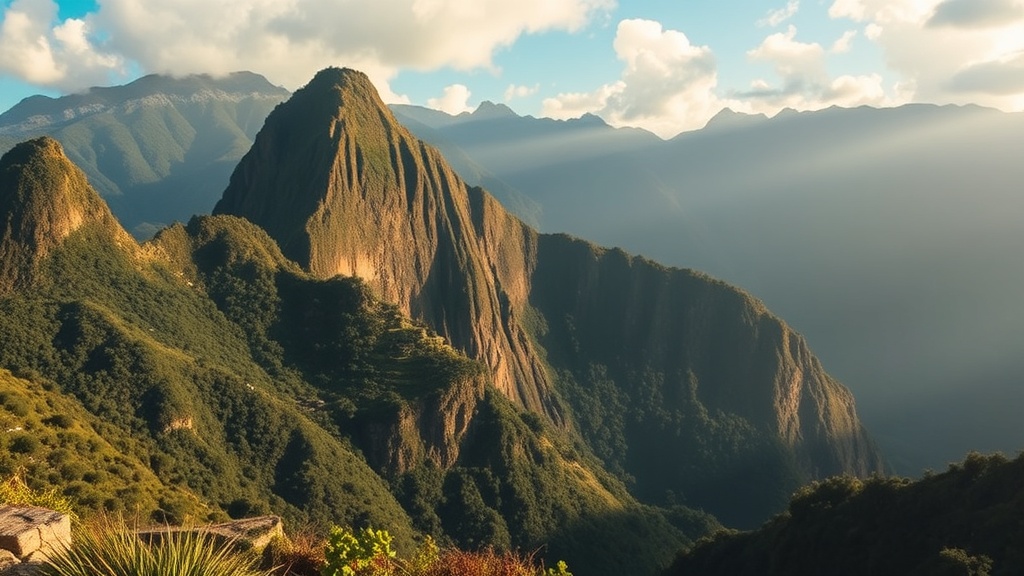
Low-Cost South America: Where to Go and How to Stay Under $40 a Day

You'll learn how to navigate South America without draining your savings by focusing on specific budget-friendly destinations, smart accommodation hacks, and low-cost food strategies.
South America is often viewed as an expensive continent, but that’s a misconception. If you know where to look, you can traverse the Andes or wander through colorful colonial towns for less than the cost of a nice dinner in New York City. The secret isn't just about cutting corners—it's about choosing the right waypoints and understanding the local rhythm of spending.
When I was traveling through the Andes, I realized that the difference between a $60 day and a $30 day wasn't the quality of the views; it was the small, daily decisions regarding transport and where I sat down to eat. This guide breaks down the most affordable regions and the tactical ways to keep your daily spend low.
Which South American countries are the cheapest for travelers?
Not all South American countries are created equal when it comes to your wallet. While Chile and Uruguay tend to be pricier (closer to European prices), countries like Bolivia, Peru, and Ecuador offer incredible value. If you're looking to stretch every single dollar, these are your best bets.
- Bolivia: This is likely the budget king of the continent. You can find decent hostel beds for under $10 and incredibly cheap street food.
- Peru: While the Cusco/Machu Picchu area can get pricey due to high demand, the rest of the country remains very affordable, especially if you eat at local markets.
- Ecuador: Using the US Dollar makes it easy to track spending, and the variety of landscapes—from the Amazon to the Andes—is accessible on a modest budget.
If you want to check current flight trends to see which of these regions is currently most accessible, I'd recommend checking These are fixed-price lunch specials that usually include a soup, a main dish, and a drink. You can often find these for $3 to $5. It's a hearty, nutritious way to fuel up without the heavy price tag of a formal restaurant.
Market Culture
Central markets (Mercados Centrales) are your best friend. Not only is the produce cheaper, but the prepared food stalls inside are often the most authentic and budget-friendly options available. You can grab a fresh empanada or a bowl of soup for a fraction of what a cafe would charge. It’s a great way to experience the local culture while keeping your wallet heavy.
What are the best ways to move between cities cheaply?
Transportation is where many travelers accidentally blow their budget. While flying is fast, it's often unnecessary and expensive. For long-distance travel, buses are the standard, and they are surprisingly efficient in South America.
| Transport Type | Pros | Cons |
|---|---|---|
| Long-Distance Buses | Very cheap, many routes, sleeper options available. | Can be slow, sometimes uncomfortable. |
| Local Micro-buses | Extremely cheap, reaches remote villages. | No fixed schedule, can be bumpy. |
| Ride-Sharing | Reliable and relatively cheap. | Limited in rural areas. |
If you're traveling through high-altitude regions, don't be afraid of the local buses. They might not have the luxury of a modern coach, but they get you where you need to go for a few dollars. For a more reliable way to track distances and basic transit routes,
Second, look into guesthouses (Hospedajes). These are often family-run and can be found in many small towns. They are often much more affordable than any boutique hotel and provide a much more authentic look into local life. You might even get a home-cooked breakfast included in the price.
Tips for managing your daily spending
To stay under $40 a day, you need to be intentional. It's easy to spend $15 on a single coffee and a pastry without thinking about it. A few of those small purchases can easily add up to a huge chunk of your daily limit.
- Carry a reusable water bottle: Buying bottled water every day is a waste of money and bad for the environment. Many hostels have filtered water stations.
- Use ATMs wisely: Try to withdraw larger amounts of cash at once to minimize the fees your bank charges for each transaction.
- Walk whenever possible: Most South American cities are quite walkable once you get used to the terrain. It’s free exercise and a great way to see the sights.
Don't feel pressured to do every single activity or tour offered. Sometimes, the best part of a trip is just sitting in a plaza and watching the world go by—and that costs absolutely nothing.