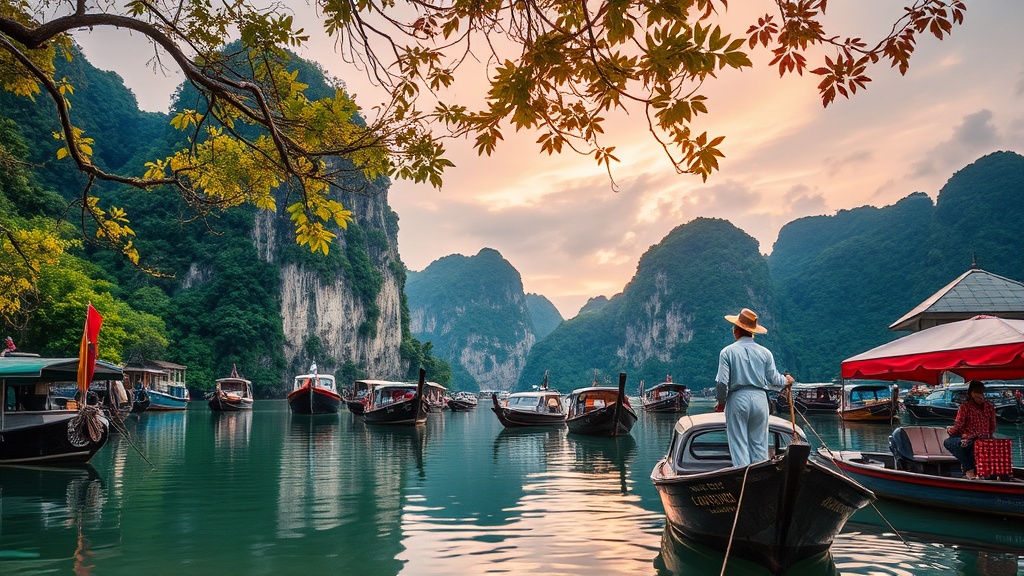
Finding Hidden Gems in Southeast Asia Without Breaking the Bank

The smell of lemongrass and sizzling garlic hits you before you even see the street stall. A motorbike zooms past, splashing a bit of puddle water toward the curb, and suddenly you're sitting on a tiny plastic stool, eating a bowl of noodles that cost less than a cup of coffee back home. This is the reality of Southeast Asia. You don't need a massive savings account to find these moments; you just need to know where to look and how to avoid the tourist traps that drain your wallet.
Most people think "budget travel" means staying in a cramped, windowless hostel. That's a myth. You can find incredible boutique stays, private boat tours, and world-class street food while keeping your daily spend under $40. This guide breaks down the specific tactics for finding those hidden spots in countries like Vietnam, Thailand, and Indonesia without getting stuck in the "tourist bubble."
How Much Does a Daily Budget Look Like in Southeast Asia?
A realistic daily budget for a comfortable, low-cost lifestyle in Southeast Asia is between $30 and $45 per day. This amount covers a decent hostel dorm or a basic private guesthouse, three local meals, a couple of beers, and one major activity or transport-related expense.
If you're willing to be more aggressive with your spending, you can definitely drop below that. I've spent weeks living on $25 a day by sticking strictly to local markets and walking instead of taking taxis. But let's be real—sometimes you want a cold drink and a comfortable bed after a long day of exploring.
Here is a breakdown of what your daily spending looks like depending on your style:
| Expense Type | The "Scrappy" Budget ($25/day) | The "Comfortable" Budget ($45/day) |
|---|---|---|
| Accommodation | Hostel Dorm ($8–$12) | Private Guesthouse ($20–$25) |
| Food & Drink | Street Food & Water ($10) | Cafe Meals & Coffee ($18) |
| Activities | Free Walks & Temples ($5) | Guided Tours/Rentals ($12) |
| Transport | Walking/Local Bus ($2) | Grab/Tuk Tuk ($5) |
One thing to keep in mind: your biggest variable isn't food—it's transport. Flying between islands is expensive. Taking a local bus or a ferry is cheap. It's a trade-off. If you want to see more places, you'll spend more on transit. If you want to stay in one area, you'll save a lot of money.
Where Are the Best Hidden Gems in Southeast Asia?
The best hidden gems are usually located just one or two towns away from the major-name destinations like Bali, Phuket, or Ha Long Bay. While the famous spots are beautiful, they are also where the prices are inflated and the crowds are thick.
Instead of staying in the heart of Ubud, look at Sidemen in Bali. Instead of the crowded streets of Chiang Mai, try heading further north toward Mae Hong Son. These areas offer the same lush greenery and incredible culture but at a fraction of the price. You'll find that the local prices are much more "honest" when you aren't surrounded by hundreds of other Western travelers.
When searching for these spots, use tools like Google Maps to look at the density of cafes and hotels. If you see a cluster of high-end resorts, you're in a tourist trap. If you see a mix of local markets and small, independent guest houses, you've found a winner. This is also a great way to find destinations that feel expensive but aren't.
The "One-Town-Over" Rule
The secret to finding gems is the "One-Town-Over" rule. If everyone is talking about a specific beach or mountain, go to the town immediately adjacent to it. The scenery is often identical, but the prices for a room or a meal can drop by 30% or more. It's a simple way to stretch your dollar without losing the view.
How Do You Find Cheap Transport Options?
You find cheap transport by using local apps and prioritizing ground travel over flights. In Southeast Asia, the most efficient way to save money is to master the art of the local ride-hailing app and the overnight bus.
Don't bother with airport taxis—they'll try to charge you double. Instead, download the Grab app (it's the Southeast Asian version of Uber/Lyft). It gives you a fixed price upfront, so you don't have to haggle with a driver who's looking at your camera gear. It's much more relaxing.
- Grab/Gojek: Use these for bikes or cars. The motorbike option is incredibly cheap and fast in traffic.
- Night Buses/Trains: This is a pro move. By taking a sleeper bus or a train, you combine your transport cost with your accommodation cost for the night.
- Local Ferries: If you're island hopping, skip the private speedboats. The slow ferries are much cheaper and a great way to see the coastline.
- Rental Scooters: For $5–$8 a day, you have total freedom. Just make sure you have an International Driving Permit (IDP) so you don't get stuck with a fine.
A quick tip: if you're traveling with a friend, renting a scooter or booking a Grab car is often cheaper than two people buying individual bus tickets. It adds up faster than you think.
How Can You Eat Well Without Overpaying?
You eat well by eating where the locals eat and avoiding any restaurant with an English-only menu. If a place has a menu with pictures and a host standing outside inviting you in, it's likely a tourist trap. If the place is filled with locals sitting on small stools, you've hit the jackpot.
I've realized that my favorite meals have always been the ones that cost $2. Whether it's a Banh Mi in Vietnam or Pad Thai on a street corner in Bangkok, the quality is often better than the "fancy" restaurants. Plus, you aren't paying for the air conditioning or the fancy linens. You're paying for the food.
If you want to keep your food costs low, follow these three rules:
- Follow the crowds: A long line of locals is the best Yelp review you can get.
- Eat early: Street food stalls often sell out by 8:00 PM. If you wait too long, you'll end up paying for a more expensive meal at a tourist cafe.
- Stick to one dish: Many legendary street stalls only do one or two things. This is actually a good thing—it means they've perfected that specific recipe.
For more tips on keeping your food costs down, check out my guide on eating like a local. It covers everything from market shopping to avoiding the "tourist tax."
The most important thing to remember is that you don't have to be a "hardcore" budget traveler to enjoy this part of the world. You can have a high-quality experience without the high-end price tag. It's all about the small choices you make every day—choosing the local bus over the flight, or the street stall over the hotel restaurant. These small wins add up, allowing you to stay longer and see more of what this incredible part of the world has to offer.