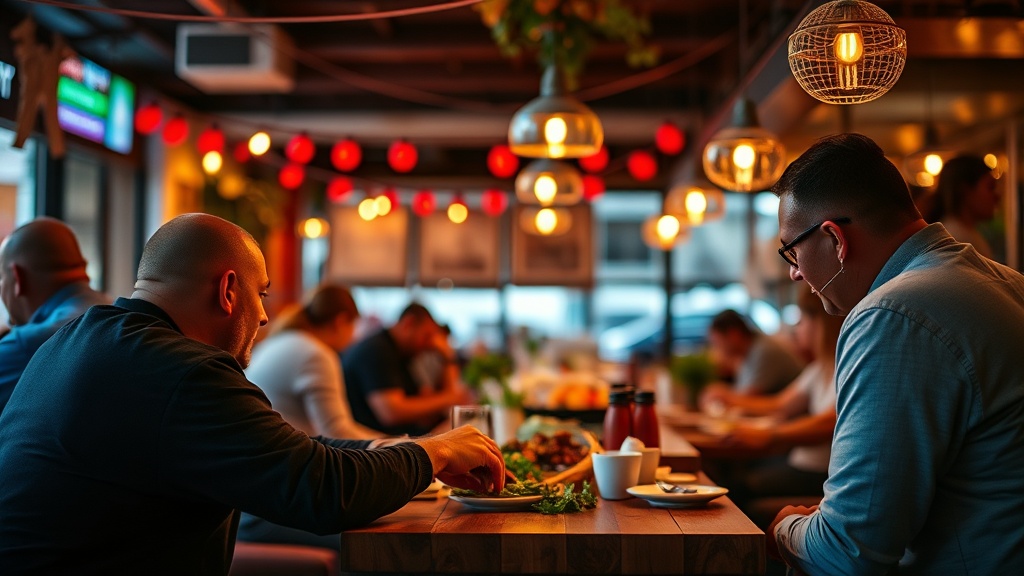
Eating Like a Local Without Breaking the Bank

Did you know that in many parts of Southeast Asia and Central America, you can eat a full, nutritious meal for less than the price of a single Starbucks latte back home? Most travelers spend nearly 40% of their daily budget on food because they stick to western-style cafes or tourist-trap restaurants. This post breaks down exactly how to find high-quality local food, how to spot a "tourist trap" from a mile away, and how to manage your food budget so you aren't just eating crackers and peanut butter to save a buck.
How Can You Find Cheap Local Food?
The easiest way to find cheap, authentic food is to look for high turnover and high volume. If you see a line of locals or a crowded street stall with people standing up to eat, that's your green light. These spots usually have high turnover because the food is fresh and cheap, which means you're getting the best bang for your buck.
Avoid any place that has a massive English-only menu or pictures of the food on a board outside. If the menu is translated into five different languages, the prices are likely inflated for travelers. Instead, look for places where the menu is short—sometimes just one or two dishes—and is written in the local language.
Street food is your best friend. It's not just about being cheap; it's about the culture. Whether it's a Banh Mi stand in Vietnam or a Taco stand in Mexico City, these vendors often have much lower overhead than a sit-down restaurant. You can often find incredible meals for $2 to $5. Just a heads up—keep some small change on you at all times. Most street vendors won't have change for a $50 bill.
If you're in a more developed area, look for "Lunch Specials" or "Set Menus." In many European countries, a menu del dia or a fixed-price lunch is a standard way to eat well for a fraction of the dinner price. It's a smart way to get a heavy meal in during the day so you can snack lightly in the evening.
What Are the Best Ways to Save on Groceries While Traveling?
Buying groceries and preparing some of your own meals is the fastest way to slash your daily spending. You don't have to cook every single meal in a hostel kitchen—that's a recipe for burnout—but even one meal a day can make a massive difference in your total budget.
Shop at local markets rather than high-end supermarkets. A trip to a local farmer's market or a neighborhood grocery store is much cheaper than hitting a place like Whole Foods or a high-end convenience store. You'll find fresher produce and much lower prices on staples like bread, cheese, and fruit.
- The "One Meal" Rule: Commit to eating one meal a day from a grocery store or a simple deli.
- Bulk Buying: If you're staying in one place for a week, buy staples like oats, coffee, or rice in larger quantities.
- Seasonal Produce: Only buy what's in season. It's cheaper, tastes better, and is more likely to be local.
- Hydration Strategy: Instead of buying bottled water every time, invest in a reusable bottle with a built-in filter, like a LifeStraw or a Grayl bottle.
The cost of water adds up faster than you think. In many countries, tap water isn't safe, but buying plastic bottles every day is expensive and bad for the planet. A high-quality filtration bottle is a one-time investment that pays for itself within a week of traveling.
How Much Does Eating Out Cost in Different Regions?
Food costs vary wildly depending on where you are in the world. A budget of $15 a day for food might be a luxury in Hanoi, but it's barely enough for breakfast in Zurich. Understanding these regional price differences is the only way to avoid running out of money mid-trip.
| Region | Avg. Street Food Meal | Avg. Sit-down Meal | Daily Food Budget (Est.) |
|---|---|---|---|
| Southeast Asia | $1.50 - $3.00 | $5.00 - $8.00 | $10 - $15 |
| Eastern Europe | $4.00 - $6.00 | $10.00 - $15.00 | $20 - $30 |
| Central America | $2.00 - $4.00 | $7.00 - $12.00 | $15 - $25 |
| Western Europe | $8.00 - $12.00 | $20.00 - $35.00 | $40 - $60 |
When planning your trip, don't just look at the flight costs. If you're heading to a high-cost area, you'll need to adjust your expectations. If you're traveling through Europe, you might want to check out Eurostat data to get a better sense of consumer price indices and how much things actually cost in different EU countries. It's much more reliable than a random travel blog's estimate.
If you're on a really tight budget, you might need to look at how you're structuring your entire trip. For example, if you're trying to travel for a week on $500, your food spending needs to be incredibly disciplined. You can't afford to eat at mid-range restaurants every night.
Is It Safe to Eat Street Food?
Yes, street food is generally safe if you follow a few basic rules of thumb. The most important rule is to watch the food being prepared. If the vendor is cooking things fresh to order over high heat, you're usually in much better shape than if you're eating something that has been sitting out in a lukewarm tray for hours.
Look for high turnover. If the stall is busy, it means the food is moving fast and isn't sitting around. A busy stall also means the vendor is likely making a profit, which is a good sign for the quality of their ingredients. (I've eaten way too much questionable street food in my time, and the busy stalls are almost always the ones that don't make me sick.)
Another tip: stick to things that are cooked right in front of you. If you see a vendor frying noodles or grilling meat, that heat is killing any bacteria. Avoid raw salads or anything that hasn't been heated if you have a sensitive stomach. If you're worried about water, stick to bottled or carbonated drinks, or use a UV purifier. The Wikipedia page on water purification has some great technical details on why certain methods work, but for most of us, a simple filter or boiled water is plenty.
Don't be afraid to ask the locals for recommendations. If you see a group of people eating at a specific stall, ask them (or use a translation app) if the food is good. Locals won't lie to you about a bad meal, and they'll usually point you toward the most delicious, affordable spots in the neighborhood.
One thing to keep in mind: don't let your hunger dictate your spending. If you're starving at 11:00 PM and the only thing open is a convenience store, you'll end up spending way more on overpriced snacks than you intended. Keep a bag of nuts or a protein bar in your backpack for these exact moments. It's a small cost that prevents a big budget leak.