
How to Travel for a Week on $500: A Realistic Budget Breakdown That Actually Works

Travel doesn’t have to mean draining your savings or waiting years to “afford it.” With a bit of planning, flexibility, and a willingness to skip a few luxury extras, a one-week trip on a $500 budget is not only possible—it can be genuinely enjoyable. This isn’t about survival-mode travel. It’s about smart decisions that stretch every dollar without sacrificing the experience.
Start With the Right Destination

Your destination determines almost everything: food costs, accommodation prices, and even how much you’ll spend on activities. If you’re trying to stay under $500 for a week, focus on places where your money naturally goes further.
Think smaller cities, off-season travel, or countries with favorable exchange rates. Eastern Europe, parts of Southeast Asia, Mexico, and even lesser-known U.S. towns can offer incredible value. Avoid major tourist hubs unless you’re visiting during shoulder season.
A good rule: if locals can comfortably live on modest incomes, travelers can stretch their budgets too.
Flights: The Biggest Variable (Aim for Under $200)

Flights can make or break your budget, so flexibility is key. Use fare comparison tools and set alerts weeks in advance. Midweek departures are usually cheaper, and flying into secondary airports can shave off significant costs.
If flights in your region are expensive, consider alternatives like buses or trains. For travelers in Europe or parts of North America, overland travel can cut costs dramatically.
Target: $150–$200 round trip. If you can get lower, you’ll have more breathing room for everything else.
Accommodation: Keep It Simple and Strategic ($150–$200 total)

You don’t need luxury hotels to enjoy your trip. Budget accommodations today are far better than their reputation suggests.
- Hostels: Modern hostels often include privacy curtains, lockers, and social spaces.
- Budget Airbnbs: Private rooms are often cheaper than entire apartments.
- Guesthouses: Especially common in Asia and Latin America.
Look for places with kitchens. Even preparing one meal a day can save you $10–$15 daily.
Target: $20–$30 per night.
Food: Eat Well Without Overspending ($100–$120 total)

Food is where many travelers accidentally overspend—but it’s also where you can save the most without feeling deprived.
Skip tourist-heavy restaurants and follow locals instead. Street food, markets, and small family-run spots often offer the most authentic meals at the lowest prices.
- Breakfast: bakery or grocery items ($3–$5)
- Lunch: street food or casual spot ($5–$8)
- Dinner: modest sit-down meal ($8–$12)
If your accommodation includes breakfast, take full advantage of it.
Transportation: Get Around for Less ($30–$50 total)

Transportation within your destination doesn’t need to be expensive. Public transit is usually reliable, especially in cities.
Walk whenever possible—it’s free and often the best way to explore. Many cities also offer day passes for buses and trains, which can reduce daily costs.
Avoid taxis unless absolutely necessary, and use ride-sharing sparingly.
Activities: Focus on High-Value Experiences ($50–$80 total)

You don’t need expensive tours to have a memorable trip. Some of the best experiences are free or low-cost:
- Walking tours (often tip-based)
- Museums with free entry days
- Public parks, beaches, and viewpoints
- Local festivals or events
Pick one or two paid experiences that really matter to you, and build the rest of your itinerary around free options.
A Sample $500 Weekly Budget
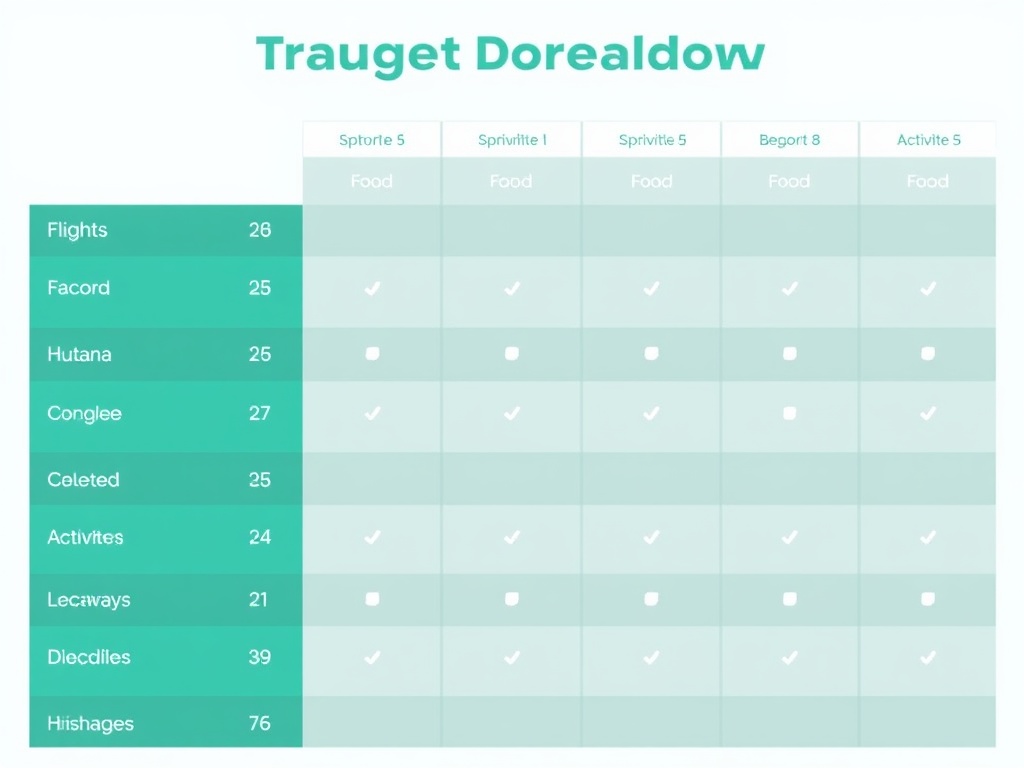
- Flights: $180
- Accommodation (7 nights): $175
- Food: $110
- Transportation: $35
- Activities: $60
Total: $560
Wait—that’s over budget. This is where trade-offs come in. Trim $10–$20 from food, find a slightly cheaper flight, or reduce paid activities. Hitting $500 isn’t about perfection—it’s about adjusting in real time.
Timing Matters More Than You Think

Traveling during peak season can double or even triple your costs. Shoulder seasons—just before or after peak periods—offer the best balance of good weather and lower prices.
You’ll also deal with fewer crowds, which often makes the experience better overall.
Pack Smart to Avoid Hidden Costs
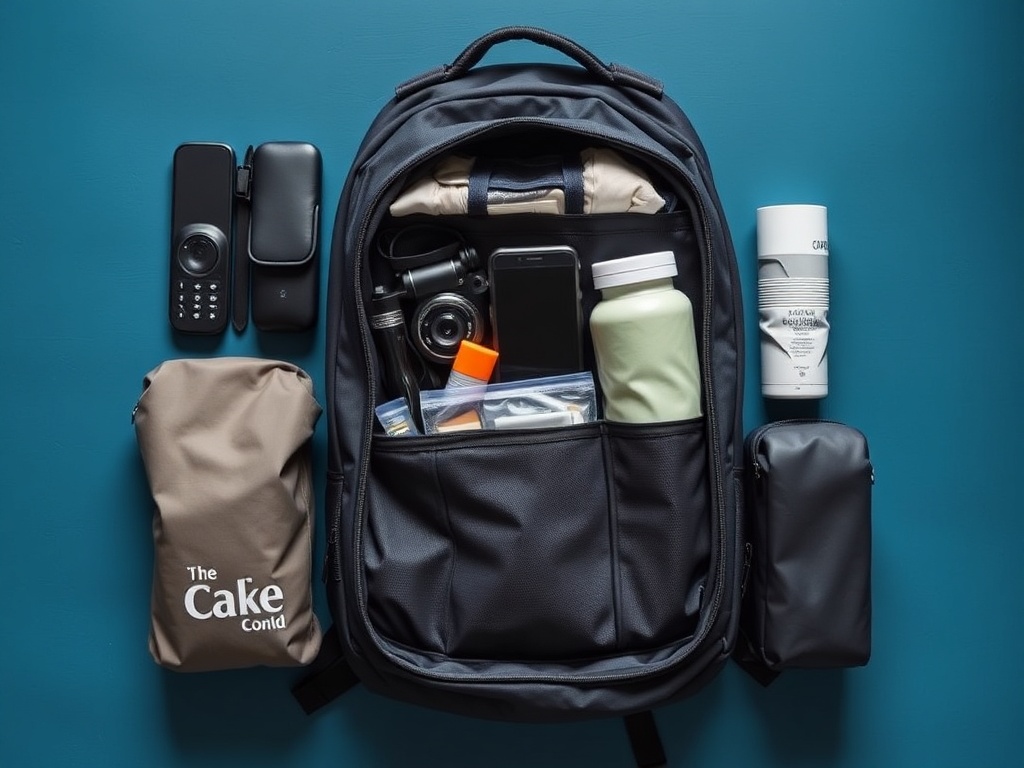
Budget travel is often undone by small, avoidable expenses: baggage fees, forgotten items, overpriced airport purchases.
Stick to carry-on luggage if possible. Bring essentials like a reusable water bottle, snacks, and basic toiletries. These small choices add up quickly over a week.
Stay Flexible—That’s Where the Savings Are
The biggest advantage you have as a budget traveler is flexibility. Being open to different dates, destinations, or accommodations can unlock deals that rigid plans miss.
If a flight drops in price, grab it. If a cheaper accommodation pops up, adjust. The more adaptable you are, the easier it is to stay within budget.
What You Don’t Need to Cut

Traveling cheaply doesn’t mean cutting everything enjoyable. You can still:
- Eat local, flavorful food
- Experience culture and history
- Meet people and explore freely
What you’re really cutting is inefficiency—overpriced convenience, unnecessary upgrades, and impulse spending.
The Bottom Line

A $500 week of travel isn’t about luck—it’s about intentional choices. Pick the right destination, control your biggest expenses, and stay flexible along the way.
Once you do it once, it gets easier. You’ll start spotting deals faster, packing smarter, and planning trips that cost less but feel richer.
That’s when budget travel stops feeling like a compromise—and starts feeling like a skill.