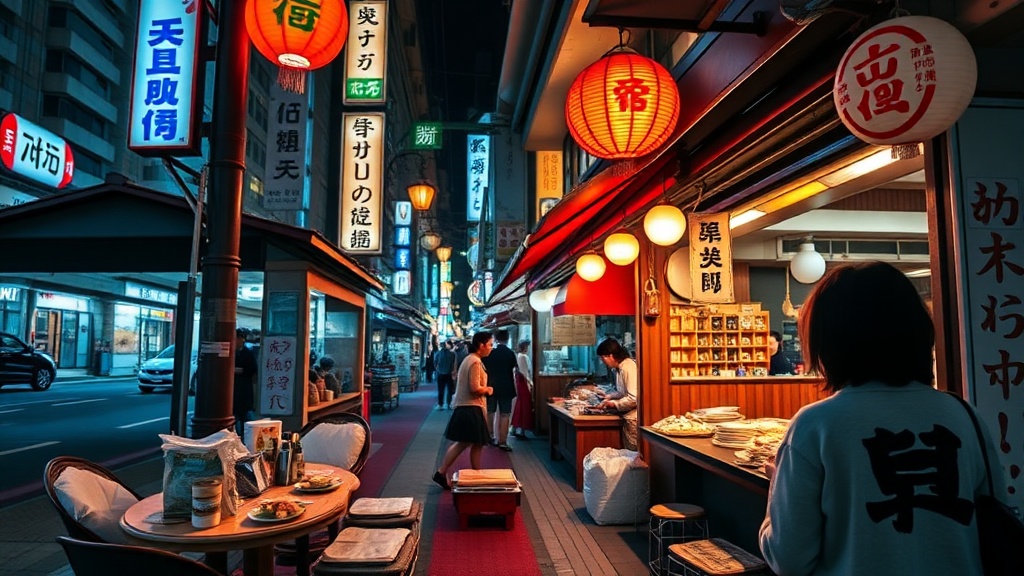
Eat Like a Local in Tokyo Without Spending a Fortune

The Magic of Konbini Meals
Conveyor Belt Sushi Secrets
Lunch Specials at Department Stores
Exploring Local Depachika Basements
Standing Ramen Bars for Fast and Cheap Eats
Did you know that you can find a high-quality, hot meal in Tokyo for less than $5 USD? Most travelers assume Japan is a high-cost destination where every meal requires a massive budget, but that's a myth. This guide breaks down the specific strategies for finding cheap, delicious food in Tokyo—from convenience stores to vending machine culture—so you can save your yen for the experiences that actually matter.
How Much Does Food Cost in Tokyo for a Budget Traveler?
A budget traveler can eat well in Tokyo for roughly $20 to $30 a day if they know where to look. While high-end sushi in Ginza might cost hundreds, the everyday way locals eat is incredibly affordable. You don't need to spend a fortune to experience world-class flavors.
The reality is that Tokyo is a city of layers. You have the high-end layer, which is expensive, and the street-level layer, which is remarkably cheap. If you stick to the street level, you'll find that the price-to-quality ratio is actually one of the best in the world.
Here is a quick breakdown of what you can expect to pay for common items:
| Meal Type | Estimated Cost (JPY) | Estimated Cost (USD) |
|---|---|---|
| Convenience Store Onigiri | ¥120 - ¥150 | ~$0.80 - $1.00 |
| Standard Ramen Bowl | ¥800 - ¥1,200 | ~$5.50 - $8.00 |
| Gyudon (Beef Bowl) | ¥400 - ¥600 | ~$3.00 - $4.00 |
| Standard Bento Box | ¥500 - ¥800 | ~$3.50 - $5.50 |
| Coffee (Convenience Store) | ¥100 - ¥200 | ~$0.70 - $1.40 |
I've spent plenty of time navigating these streets, and I can tell you—the best food often comes from the smallest doors. Don't let a tiny entrance or a lack of English signage scare you off.
Where Can You Find Cheap Eats in Tokyo?
The best places for cheap eats are konbini (convenience stores), standing noodle shops, and basement food halls. These spots provide consistent quality without the "tourist tax" found in major sightseeing districts.
The Konbini Culture
You can't talk about budget travel in Japan without mentioning the konbini. Chains like 7-Eleven, Lawson, and FamilyMart are everywhere. They aren't just places to grab a soda; they are legitimate meal hubs. You can grab a fresh onigiri (rice ball), a sandwich, or even a hot snack like fried chicken (Famichiki) for a couple of dollars. It's a lifesaver when you're on the move between much more expensive stops.
The food quality in these stores is actually quite high. I've often relied on Lawson's egg sandwiches to get through long days of walking. It's fast, it's cheap, and it's reliable.
Standing Noodle Shops (Tachigui)
If you see people standing up to eat near a train station, you've found a goldmine. These are often called "tachigui" shops. They specialize in quick bites like Soba, Udon, or Ramen. Because there's no seating, the overhead is lower, and the prices reflect that. It’s a great way to fuel up before catching a train. Plus, it’s a very authentic way to experience the local pace of life.
Department Store Basements (Depachika)
This is a pro tip for your final night in a city. If you head to the basement of a large department store (like Isetan or Mitsukoshi) in the late afternoon, you'll find incredible discounts. They mark down their high-end bento boxes and fresh sushi to clear inventory before closing. It’s a way to eat "luxury" food on a "budget" budget. Just keep an eye on the clock—the best deals usually appear after 7:00 PM.
What Are the Best Budget Food Chains to Look For?
The most reliable budget food chains in Tokyo are Yoshinoya, Matsuya, and Sukiya. These "Gyudon" chains serve beef bowls that are filling, hot, and incredibly inexpensive.
These places are the backbone of the quick-service industry in Japan. You walk in, order a bowl of beef and rice, and you're done in ten minutes. It's perfect for travelers who don't want to spend an hour sitting in a cafe. The portions are generally generous, too. I've often found that a single bowl of Yoshinoya beef can keep me full for a long time.
- Yoshinoya: The most iconic, known for its consistent beef bowls.
- Matsuya: Often a slightly better deal if you want a side of miso soup included.
- Sukiya: Great for variety; they often have seasonal toppings or different meat options.
If you're feeling a bit more adventurous, look for vending machine ramen shops. You pay at the machine, get a ticket, and hand it to the chef. It's a seamless process that removes any language barriers. It's a great way to avoid the pressure of ordering in a traditional restaurant setting.
One thing to note—many of these places are cash-only, though more are starting to accept IC cards or credit cards. Always keep some yen on you just in case. It's a small detail, but it prevents a lot of frustration at the register.
If you found these tips helpful, you might also want to check out my guide on how to plan an incredible trip on a tight budget. The principles of finding value over luxury apply to almost every major city in the world.
Don't forget to drink plenty of water. While vending machines are everywhere, you can often find free water or tea at many casual dining spots. It's a small way to shave a few dollars off your daily total. If you're staying in a hostel, check if they have a communal kitchen or a water dispenser—this is a massive way to save on hydration costs.
Lastly, don't be afraid of the "one-person" culture. Many of these budget-friendly spots are designed for solo diners. You'll see people eating alone at counters all the time. It's perfectly normal, so don't feel awkward about sitting down by yourself. In fact, it's often the best way to get a quick, cheap meal without any fuss.
One final tip: the seafood-to-price ratio is actually quite good at local markets if you go early. If you visit a place like Tsukiji Outer Market, you can find incredibly fresh seafood, but you have to be strategic. Avoid the shops right at the front of the main tourist thoroughfares. Walk one or two streets back into the side alleys. The quality is often higher and the prices are significantly lower. It's the same principle as any other major city: the best stuff is tucked away from the main drag.
The goal isn't just to eat cheaply—it's to eat well while being smart about your money. Tokyo has a way of making you feel like you're spending a lot, even when you aren't. By sticking to these specific chains, convenience stores, and standing shops, you can keep your daily food costs under control without ever feeling like you're missing out on the local flavor.