
How to Plan an Incredible Trip on a Tight Budget (Without Missing the Best Experiences)

Step 1: Start With a Flexible Destination Mindset
Budget travelers don’t start with a destination—they start with a deal. Instead of locking yourself into one city or country, begin by exploring where your money goes the furthest. Use flight comparison tools, set price alerts, and stay open to alternative destinations that offer similar experiences for less.
If you’re dreaming of beaches, don’t fixate on one expensive hotspot. Southeast Asia, parts of Central America, or Eastern Europe often deliver the same scenery at a fraction of the cost. Flexibility is your biggest financial advantage.

Step 2: Lock in Flights at the Right Time
Flights are often your biggest expense, so getting this right matters. Aim to book 1–3 months ahead for domestic trips and 2–6 months for international travel. Midweek flights (Tuesday and Wednesday) tend to be cheaper, and red-eye options can save even more.
Use incognito mode when searching and compare multiple platforms before booking. Budget airlines can be a win—but always factor in baggage and seat fees.
Step 3: Choose Accommodation Strategically
Hotels are not your only option. Consider hostels, guesthouses, or short-term rentals. In many destinations, hostels offer private rooms at a fraction of hotel prices, often with better locations and social perks.
Another strategy: stay slightly outside the main tourist center. A 10–15 minute commute can cut your accommodation cost dramatically while still keeping you close to the action.

Step 4: Build a Smart Daily Budget
Break your spending into categories: food, transportation, activities, and extras. Research average daily costs in your destination and set realistic limits. Apps and simple notes can help you track spending without stress.
Leave room for spontaneity. A strict budget that eliminates fun experiences defeats the purpose of travel.
Step 5: Eat Like a Local (and Save Big)
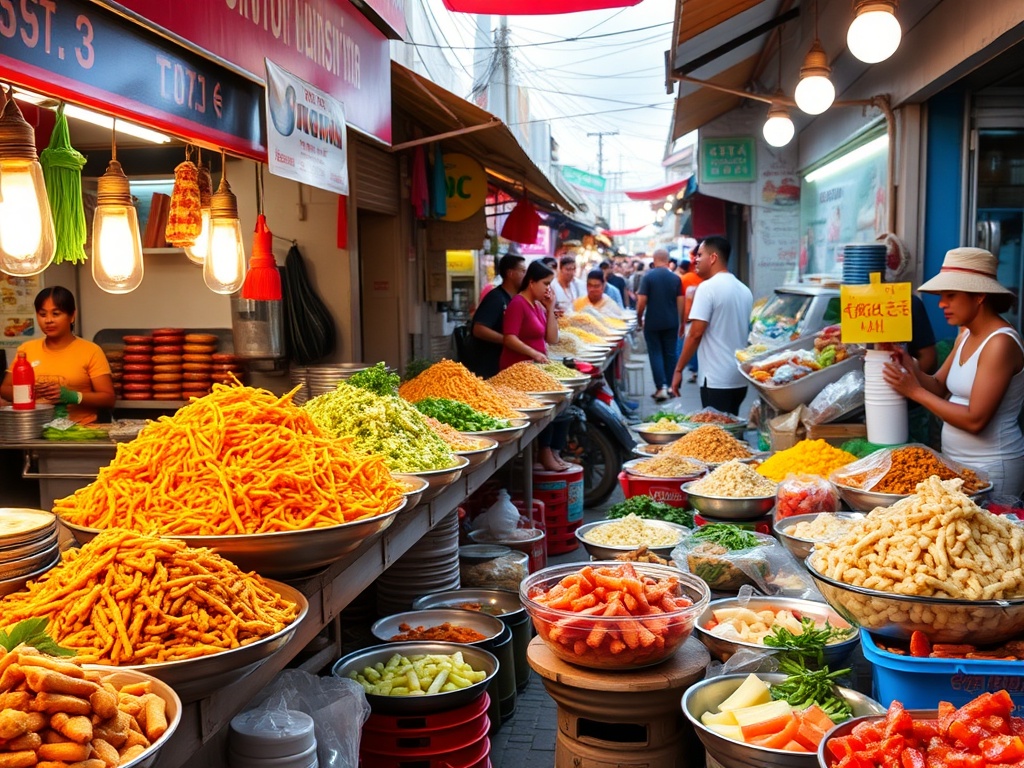
Food is one of the easiest ways to overspend—or save massively. Skip tourist restaurants and look for local markets, street food, and neighborhood spots. Not only is it cheaper, but it’s often better.
In many cities, lunch specials offer the same dishes as dinner menus at significantly lower prices. Grocery stores are also your friend for breakfast and snacks.
Step 6: Use Public Transport and Walk Whenever Possible
Taxis and ride-shares add up quickly. Learn the basics of the local transit system—metro, buses, or trams—and use them as your primary mode of transportation. Many cities offer day passes that make unlimited travel affordable.
Better yet, walk. It’s free, healthy, and often the best way to discover hidden gems you’d otherwise miss.
Step 7: Prioritize Experiences That Matter Most
You don’t need to do everything. Pick a few must-do experiences and plan around them. Many museums have free entry days, and walking tours often operate on a pay-what-you-can basis.
Focus your budget on what genuinely excites you, and skip overpriced attractions that don’t add real value to your trip.

Step 8: Travel Off-Season for Maximum Savings
Timing can make or break your budget. Traveling during shoulder or off-peak seasons means cheaper flights, lower accommodation costs, and fewer crowds.
You may need to compromise slightly on weather, but the savings—and overall experience—are often worth it.
Step 9: Pack Smart to Avoid Extra Costs
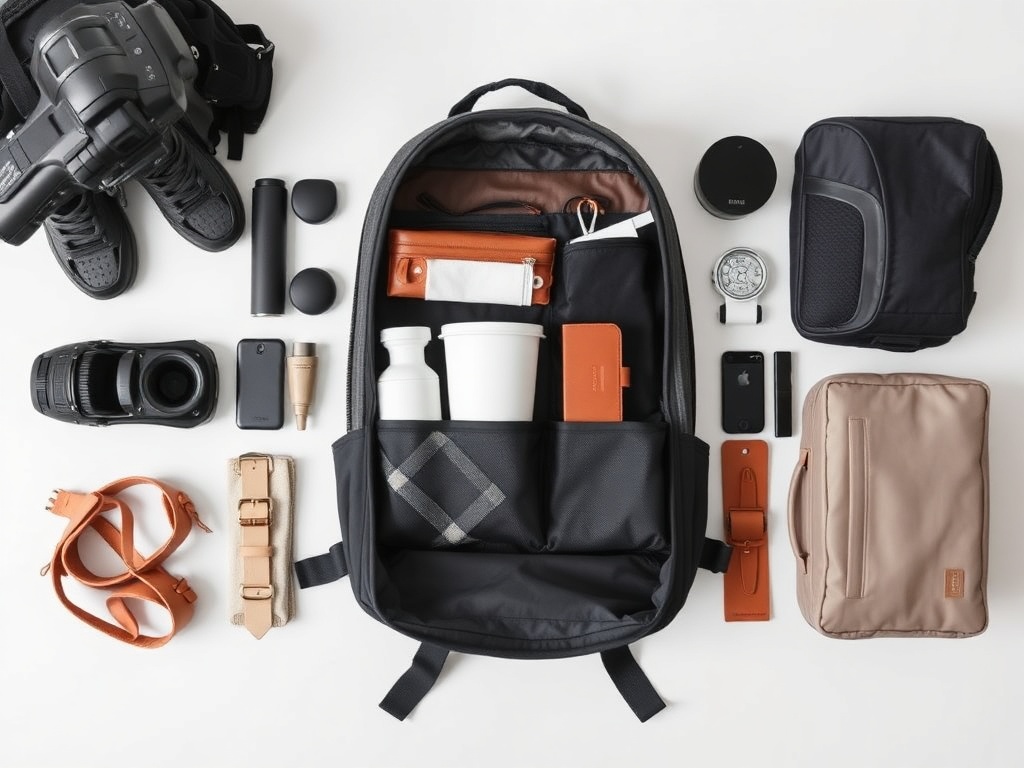
Overpacking leads to baggage fees and unnecessary stress. Stick to versatile clothing, pack light, and aim for carry-on only when possible.
Bring essentials like a reusable water bottle, portable charger, and basic toiletries to avoid overpriced purchases on the road.
Step 10: Use Deals, Rewards, and Discounts
Take advantage of travel rewards programs, student discounts, and city passes. Even small savings add up over the course of a trip.
Sign up for deal alerts and newsletters that highlight flight sales and limited-time offers.
Final Thoughts: Budget Travel Is About Smart Choices, Not Sacrifice
Traveling on a budget doesn’t mean cutting out the fun—it means being intentional. With the right planning and mindset, you can experience more, spend less, and come home with better stories.
The key is simple: prioritize what matters, stay flexible, and make every dollar work harder for you.