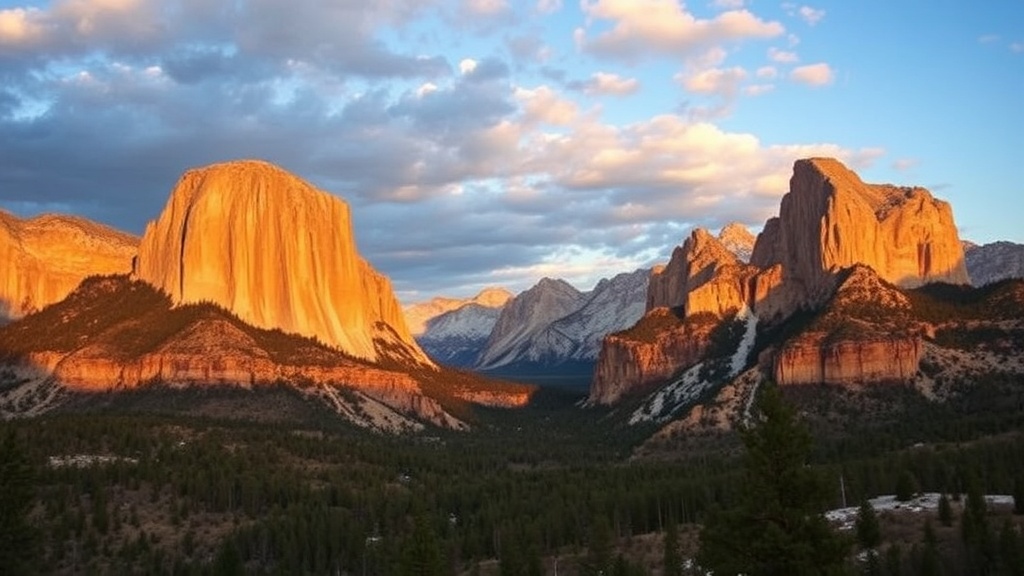
Why You Should Visit National Parks During the Shoulder Season

A family of four pulls into a parking lot at Yosemite National Park at 9:00 AM on a Tuesday in July. Every single parking spot is occupied by a large SUV or a rental van. The father spends the next forty minutes circling the perimeter, watching other cars leave only to be immediately replaced. Meanwhile, a solo hiker walks past them, easily finding a spot right near the trailhead entrance. This scene is common during peak summer months, but it is entirely avoidable. This post explains why visiting National Parks during the shoulder season—the periods between peak and off-peak seasons—is the smartest way to save money, avoid crowds, and enjoy a better experience.
What is the Shoulder Season?
In the context of National Parks, the shoulder season refers to the transitional periods between the high-traffic summer months and the low-traffic winter months. For most US parks, this typically means late spring (April to May) and early autumn (September to October). During these windows, the weather is often more stable than the extremes of winter or summer, but the massive influx of tourists has either not yet arrived or has already departed. Understanding these windows allows you to plan trips that prioritize both your wallet and your peace of mind.
Significant Cost Savings
One of the primary reasons to target the shoulder season is the direct impact on your travel budget. While the National Park entrance fees themselves remain constant (usually $35 per vehicle), the secondary costs of your trip drop significantly.
Lower Accommodation Rates
Lodging near popular destinations like Zion National Park or Grand Canyon National Park skyrockets during June, July, and August. When you book during the shoulder season, you can find much better deals on nearby hotels and even campsites. If you are looking for ways to keep your lodging costs down without sacrificing comfort, check out our guide on finding cheap accommodation without staying in a hostel. Many independent motels and small lodges that charge premium rates in July offer significant discounts in September or May.
Reduced Food and Service Costs
While National Parks are often remote, the surrounding "gateway towns" (like Moab, Utah, or Gatlinburg, Tennessee) experience high inflation during peak months. Restaurants in these towns often implement "seasonal pricing" or have much longer wait times during the summer. During the shoulder season, you are more likely to find shorter lines at local diners and potentially lower prices on local tours, such as guided rafting trips or horseback riding excursions, which often run promotional rates to fill slots during the transition months.
Avoiding the Crowd Fatigue
The biggest deterrent to a successful National Park trip is the sheer volume of people. When a park reaches capacity, the quality of your experience diminishes through "crowd fatigue." This is the exhaustion that comes from navigating around hundreds of other people on a narrow trail or waiting in a long line just to see a famous landmark like the Old Faithful geyser.
Easier Parking and Access
As mentioned in the opening anecdote, parking is often the first hurdle. In parks like Rocky Mountain National Park, certain trailheads require timed entry reservations during the summer. During the shoulder season, these restrictions are often lifted or are much easier to secure. You won't have to start your day at 5:00 AM just to ensure you can park your car near the trailhead. This allows for a much more relaxed itinerary where you can decide when to hike based on your energy levels rather than a parking clock.
Better Photography and Solitude
If you are a hobbyist photographer or simply someone who wants to experience nature in silence, the shoulder season is non-negotiable. In the summer, the "Instagram effect" brings crowds to specific viewpoints at specific times. In the autumn, for example, you can often find a secluded spot overlooking the valley in Acadia National Park without another person in your frame. This solitude is not just about the photo; it is about the psychological benefit of being in a quiet, natural environment.
Optimal Weather and Scenery
The shoulder season often provides the most visually striking landscapes. The weather transitions offer color palettes that you simply cannot see during the monochromatic green of summer or the white of winter.
Fall Foliage and Color Transitions
Visiting parks like Great Smoky Mountains or Shenandoah in the autumn provides a spectacular display of changing leaves. The vibrant reds, oranges, and yellows make the hiking experience far more engaging. Similarly, the late spring brings a "green-up" period where wildflowers are in full bloom, providing a lush, vibrant backdrop that is often more colorful than the dry, dusty landscapes of mid-August.
Mild Temperatures for Hiking
Summer hiking in places like Joshua Tree or Death Valley can be dangerous due to extreme heat. Conversely, winter hiking in the Tetons can be treacherous due to ice and snow. The shoulder seasons offer a "Goldilocks" window: the temperatures are generally mild and comfortable for physical exertion. This reduces the risk of heat exhaustion and the need for heavy, expensive winter gear, making your packing list much lighter and more affordable.
Practical Tips for Shoulder Season Planning
While the benefits are numerous, traveling during these transitional months requires a specific set of preparations to ensure you aren't caught off guard by changing conditions.
- Check for Seasonal Closures: Some roads and amenities within parks are seasonal. For example, the Tioga Pass in Yosemite is closed in the winter and may not open until late spring. Always check the official NPS.gov website for your specific park to see if certain routes or visitor centers are closed.
- Pack Layers: Weather in the shoulder season is unpredictable. A sunny afternoon in the Grand Canyon can quickly turn into a chilly evening. Always carry a lightweight, packable down jacket and a moisture-wicking base layer.
- Monitor Water Availability: If you are visiting in the late spring, some high-altitude streams might still be frozen or low. Even if it is a "mild" season, stay hydrated. To save money and reduce waste, always pack a reusable water bottle to fill at park stations rather than buying expensive single-use plastic bottles at gift shops.
- Verify Rental Car Requirements: If you are visiting a park in the late autumn or early spring, check if your rental car is equipped with All-Wheel Drive (AWD). Even if the main roads are clear, a sudden unseasonal snowstorm can make mountain passes difficult to navigate.
Summary Table: Peak vs. Shoulder Season
To help you decide, here is a quick comparison of what to expect:
| Feature | Peak Season (Summer) | Shoulder Season (Spring/Fall) |
|---|---|---|
| Crowd Levels | Extremely High | Moderate to Low |
| Cost of Lodging | Premium/High | Discounted/Moderate |
| Parking Ease | Difficult/Timed Entry | Easier/Open Access |
| Weather | Hot/Dry | Mild/Variable |
| Scenery | Lush Green | Foliage/Wildflowers |
By planning your National Park visits during these transitional windows, you aren't just saving money—you are ensuring that your time in nature is actually restorative rather than stressful. Whether it's the cheaper hotel rates or the ability to find a quiet spot on a trail, the shoulder season is the ultimate "travel hack" for the budget-conscious adventurer.