
The One Budget Travel Trick That Cuts Your Costs in Half (Without Sacrificing Comfort)

Quick Tip
Travel during shoulder season to dramatically reduce costs while improving your overall experience.
Most travelers obsess over flight deals, hotel hacks, and credit card points. That’s fine—but it’s not where the biggest savings actually happen.
The real lever is simpler, less glamorous, and wildly more effective: timing your trip around shoulder seasons.
This isn’t a minor optimization. Done right, it can cut your total travel cost by 30–60% while improving your experience at the same time. Fewer crowds, better service, and a version of your destination that feels more like it belongs to you than the masses.
What Shoulder Season Actually Means (And Why It’s Misunderstood)
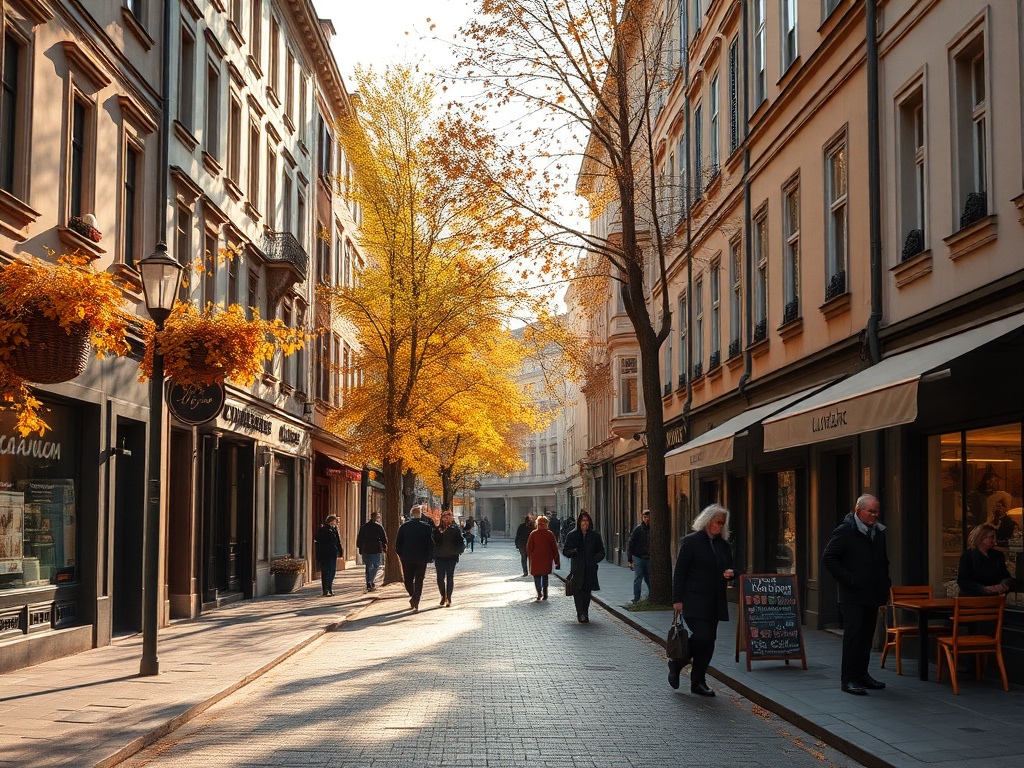
Shoulder season sits between peak and off-season. Think late spring and early fall for most destinations. The weather is still good—often great—but the crowds have thinned and prices have dropped.
Here’s where most people get it wrong: they assume shoulder season is a compromise. It’s not. In many places, it’s objectively the best time to visit.
- Europe in September: warm water, fewer cruise crowds
- Japan in late November: crisp air, fall foliage, lower hotel demand
- Caribbean in early December: pre-holiday pricing, calm weather windows
You’re not trading down. You’re stepping sideways into a better version of the same trip.

Where the Savings Actually Come From
Most people think flights are the biggest expense. Sometimes they are—but accommodation and daily costs quietly dominate your budget.
Shoulder season affects all three major cost categories:
1. Flights
Airfare drops when demand softens. You’ll see fewer “sold out” routes and more flexibility on dates without surge pricing.
2. Accommodation
This is where the biggest gains happen. Hotels that charge $300 a night in peak summer may drop to $140–$180 in shoulder season—often for the exact same room.
3. On-the-Ground Spending
Restaurants aren’t slammed. Tours aren’t fully booked. Vendors are more willing to negotiate or offer discounts.
It compounds. Saving a bit on everything adds up to a massive overall reduction.

The Hidden Upside: A Better Travel Experience
Budget travel advice usually focuses on cutting things. This is different. Shoulder season often gives you more.
Here’s what changes:
- Shorter lines: Museums, attractions, and restaurants become accessible instead of exhausting
- More authentic interactions: Locals aren’t overwhelmed by peak-season crowds
- Flexible itineraries: You can decide your day without booking everything weeks ahead
The trip feels slower, richer, and more personal.

How to Use This Trick Properly
Simply saying “travel in shoulder season” isn’t enough. You need to apply it with intent.
Step 1: Identify the True Shoulder Window
Every destination has its own rhythm. Don’t rely on generic advice. Look at:
- Weather patterns (avoid rainy transitions)
- School holidays (these spike demand unexpectedly)
- Local festivals (can either enhance or inflate your trip)
A good rule: aim for 2–4 weeks before or after peak season, not just “spring” or “fall.”
Step 2: Price Check Across Months
Don’t guess—compare. Look at the same hotel or flight across a 2–3 month span. The price drops are often dramatic and immediate.
Step 3: Lock in Flexibility Early
Shoulder season deals don’t last forever. Book once you see a strong price, especially for accommodation with free cancellation.

Destinations Where This Works Best
Not every place benefits equally. These destinations consistently deliver the biggest shoulder-season advantages:
- Southern Europe: Italy, Spain, Greece in May or September
- Southeast Asia: Thailand and Vietnam just outside monsoon peaks
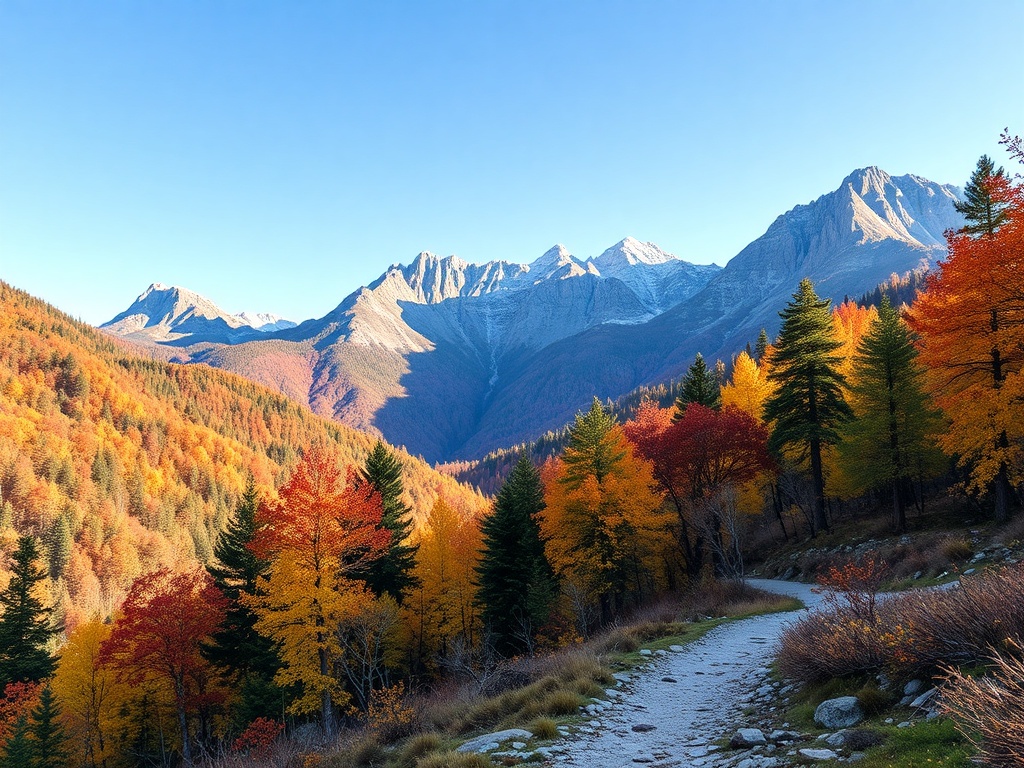
- National parks: Early fall for fewer crowds and stable weather
- Major cities: Paris, New York, Tokyo outside holiday surges
These places are expensive in peak season—and that’s exactly why the savings are so noticeable.
Common Mistakes to Avoid
There’s a right way and a wrong way to do this. Avoid these traps:
- Going too early or too late: You’ll slip into bad weather or closed attractions
- Ignoring local calendars: Events can spike prices unexpectedly
- Assuming all destinations behave the same: They don’t—research matters
The goal is balance, not extremes.
Why This Beats Every Other Travel Hack
Points, deal alerts, and budget airlines all help—but they’re incremental.
Timing is exponential.
It affects every dollar you spend, not just one category. It also improves your experience instead of forcing compromises.
If you do nothing else differently, change when you travel. Everything else becomes easier.
The Bottom Line
You don’t need to travel less. You don’t need to sacrifice comfort. You don’t need to chase every deal.
You just need to stop traveling at the same time as everyone else.
Shift your dates slightly, and the entire trip changes—cost, crowds, and quality.