
The One Booking Trick That Cuts Travel Costs in Half (Most People Miss It)

Quick Tip
Split your bookings across flights, dates, and hotels instead of choosing one bundled option to unlock significantly lower travel prices.
There’s a reason some travelers consistently pay half of what everyone else does for the exact same flights and hotels. It’s not luck. It’s not insider access. It’s a single booking habit that most people ignore because it feels slightly inconvenient at first.
The tip: Always split your bookings across platforms, dates, and even nearby locations instead of committing to one “perfect” option.

Why This Works (And Why Most People Don’t Do It)
Most booking platforms are designed to make you commit quickly. You search once, pick one itinerary, and check out. It feels efficient. It feels done.
But pricing systems don’t reward simplicity. Airlines, hotels, and aggregators constantly adjust prices based on demand, location, and user behavior. When you stick to one search and one booking path, you’re playing their game.
Splitting your booking flips that dynamic. Instead of accepting bundled pricing, you create your own combination—often dramatically cheaper.
How to Apply This Trick to Flights
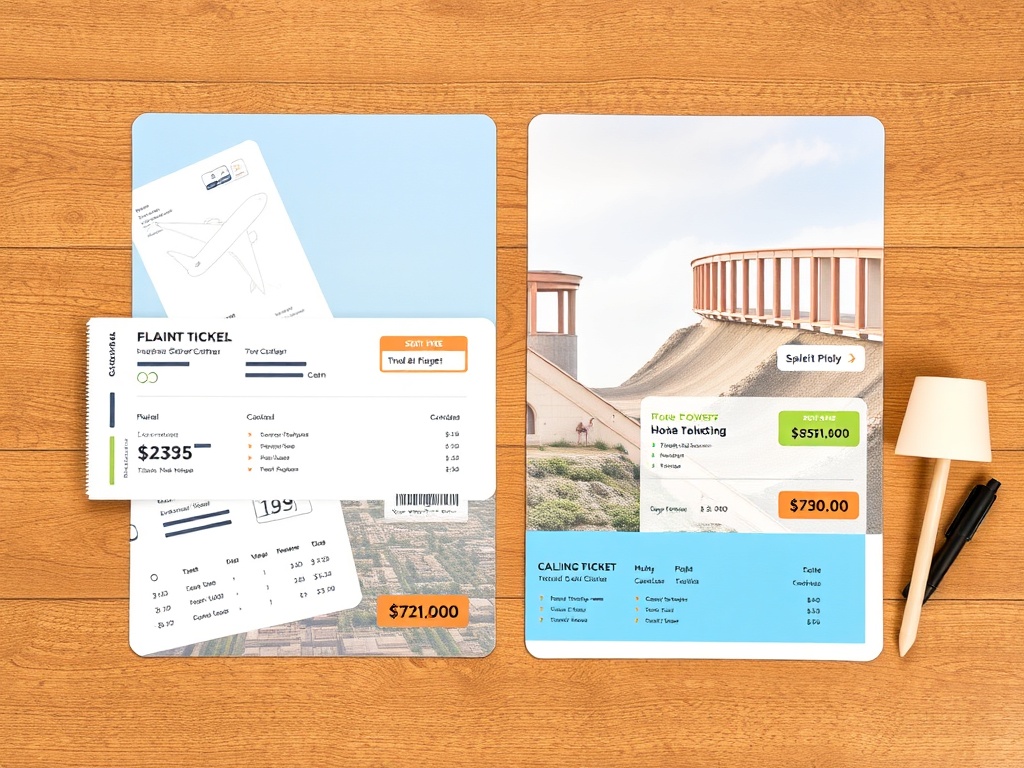
Start by abandoning the idea that your trip needs to be one clean round-trip ticket.
Search one-way flights separately. Try different airports within a reasonable radius. For example, flying into one city and out of another can cut costs significantly—especially in regions with strong budget airline competition.
Mix airlines freely. A budget carrier on the outbound leg paired with a legacy airline return often beats any round-trip bundle.
Even shifting your departure by a day or two—then booking legs separately—can unlock pricing that never appears in standard searches.
- Compare one-way vs round-trip every time
- Check nearby airports (within 1–3 hours)
- Combine airlines instead of sticking to one
- Use different booking platforms for each leg

How to Use It for Hotels
Hotels follow a similar pricing logic. Staying in one place for five nights is often more expensive than splitting your stay into two or three bookings—even within the same neighborhood.
Why? Demand spikes on certain nights. Weekends, events, and local patterns shift pricing daily.
By breaking your stay into segments, you can:
- Switch to a cheaper hotel mid-stay
- Take advantage of weekday vs weekend pricing differences
- Use different platforms offering better deals on specific nights
This doesn’t mean constantly moving far. Often, you’re switching within walking distance—or even returning to the same hotel under a different rate.

When This Trick Saves the Most Money
This approach isn’t always necessary—but when it works, it works big.
You’ll see the biggest savings when:
- Traveling during peak seasons
- Booking last-minute trips
- Visiting regions with many competing airlines
- Staying in cities with fluctuating hotel demand
In these situations, prices vary wildly from one day to the next. Splitting lets you capture the cheapest pieces instead of overpaying for the expensive ones.

The Trade-Off (And How to Handle It)
This strategy isn’t perfect. It introduces a bit more planning and, occasionally, a minor inconvenience.
You might:
- Change hotels once during your stay
- Manage separate flight bookings
- Track multiple confirmations
But here’s the reality: a one-hour inconvenience can easily translate into hundreds of dollars saved.
To keep things smooth:
- Use a single email folder for confirmations
- Screenshot key details offline
- Choose accommodations close to each other

Why This Still Flies Under the Radar
Most travelers optimize for simplicity, not price. Booking platforms reinforce this by promoting “best deals” that are actually optimized for convenience and conversion—not your wallet.
This trick requires a small mindset shift: treat your trip like a flexible puzzle instead of a fixed package.
Once you do, you start seeing options that weren’t visible before—and the savings compound quickly.

Realistic Example
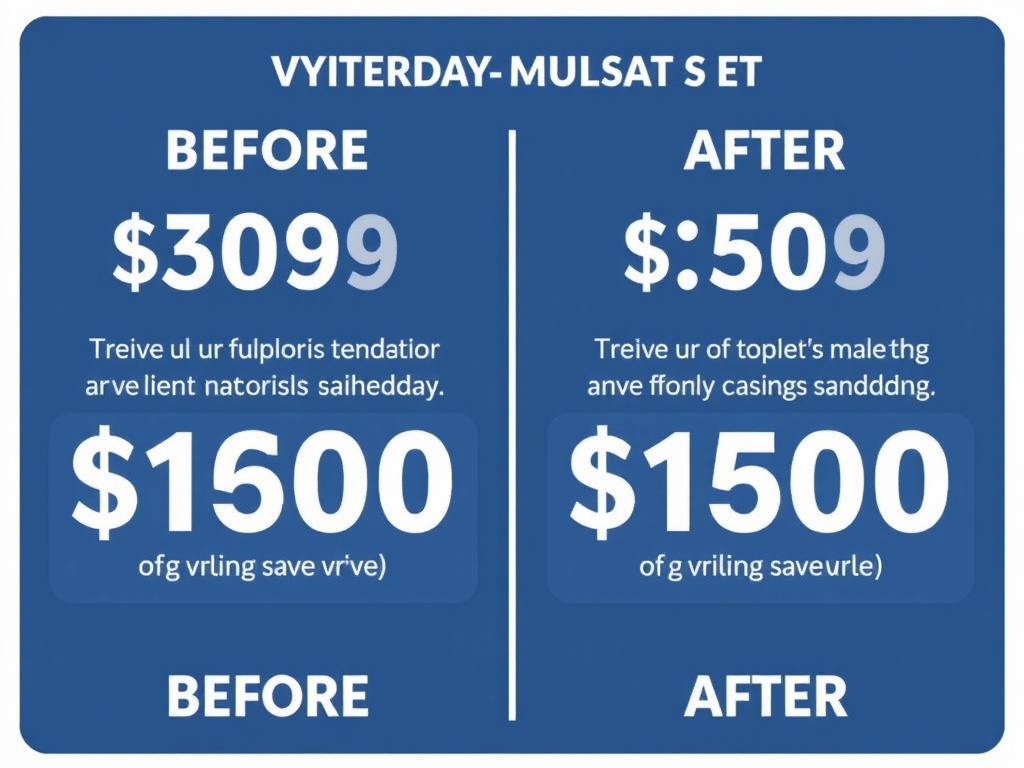
A typical traveler books a $900 round-trip flight and a $750 five-night hotel.
Using this approach, you might instead find:
- $320 outbound flight + $280 return flight
- $90/night weekday hotel + $140/night weekend hotel
Total savings: often $200–$400 or more—without sacrificing comfort.
That’s the difference between stretching your budget and actually upgrading your trip.
Make This Your Default Habit
The key isn’t using this trick once—it’s making it your default approach.
Every time you plan a trip, pause before booking everything in one go. Break it apart. Compare segments. Test combinations.
It takes a few extra minutes. But over time, it compounds into thousands saved across your travels.
If you remember one thing: never assume the cheapest option is the one packaged neatly for you.