
How to Travel Europe on a Tight Budget Without Missing the Experience

Europe has a reputation for draining wallets fast. Between iconic cities, train rides, and endless food temptations, costs stack up quickly. But here’s the reality: you don’t need a luxury budget to have a rich, memorable European trip. You need strategy, timing, and a willingness to travel differently.
This guide breaks down exactly how to experience Europe deeply while keeping your spending under control—without feeling like you’re constantly sacrificing.

Rethink What “Budget Travel” Actually Means
Most people assume budget travel means cutting everything down to the bare minimum—hostels, instant noodles, and skipping attractions. That’s not the goal. Smart budget travel is about reallocating your money toward what matters most.
Spend on experiences you’ll remember. Save aggressively on the things you won’t.
- Worth spending on: local food, unique tours, cultural experiences
- Easy to save on: flights, accommodation upgrades, transportation convenience
This mindset shift is what separates a stressful cheap trip from a genuinely enjoyable one.
Choose the Right Destinations (It Matters More Than You Think)
Not all European destinations cost the same. Traveling to Paris or Zurich on a tight budget is possible—but it requires much more effort.
If you’re serious about saving, mix high-cost cities with budget-friendly regions.
Budget-friendly regions to prioritize:
- Eastern Europe (Budapest, Krakow, Sofia)
- The Balkans (Albania, Montenegro, North Macedonia)
- Portugal (cheaper than most Western Europe destinations)
- Southern Italy (outside major tourist hubs)
You’ll often spend 40–60% less while still getting incredible architecture, food, and culture.
Master Transportation Without Overpaying
Transportation can quietly become your biggest expense if you don’t plan it well.
Flights
Use budget airlines, but be strategic. Cheap tickets often come with hidden costs—bags, seat selection, airport transfers. Always calculate the full price.
Trains vs Buses
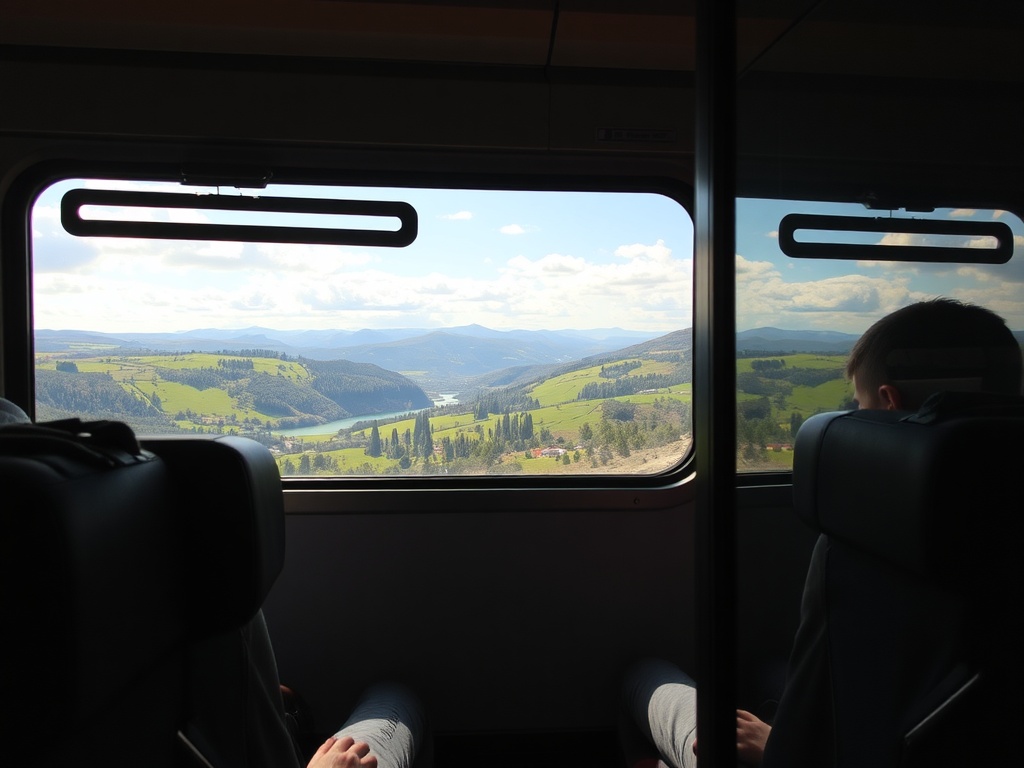
Trains are fast and scenic but not always cheap. Buses are slower but dramatically cheaper, especially in Eastern Europe.
A simple rule: take trains for long scenic routes, buses for short or overnight travel.
City Transport
Skip taxis. Walk whenever possible—European cities are built for it. When needed, use public transit passes instead of single tickets.
Accommodation: Where You Save the Most
This is where your budget lives or dies.
Best options for budget travelers:
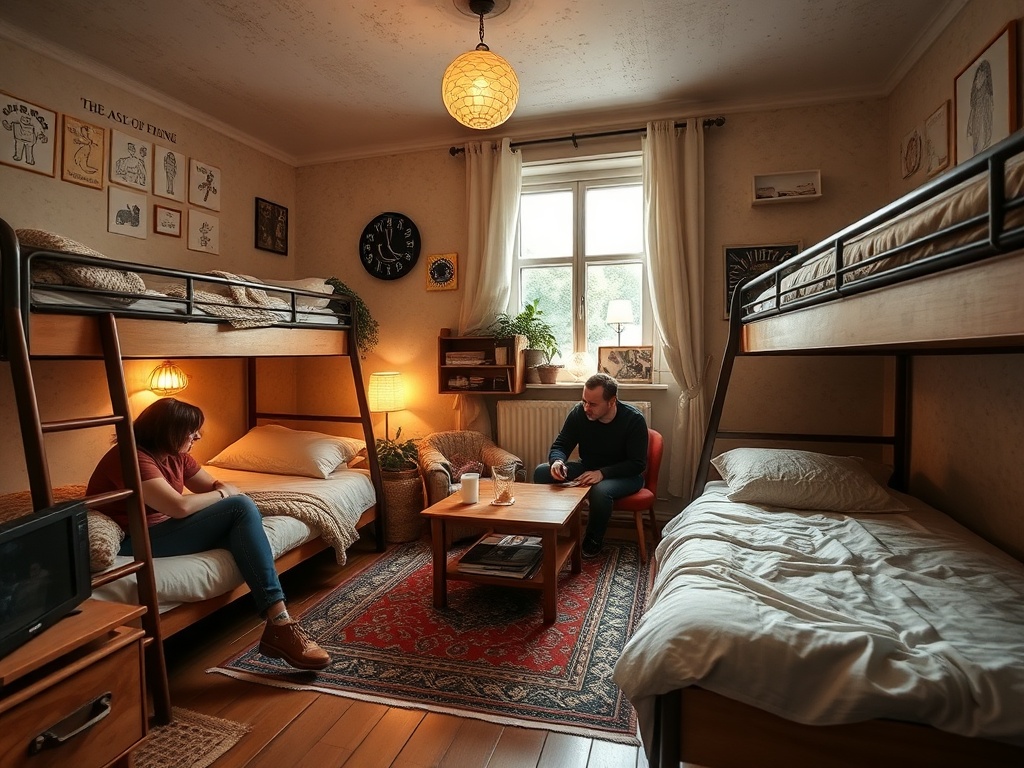
- Hostels: Not just dorms—many offer private rooms at lower prices than hotels
- Guesthouses: Especially in Southern and Eastern Europe
- Short-term rentals: Great for groups or longer stays
Location matters more than luxury. Staying slightly outside the city center can cut costs significantly without hurting your experience.
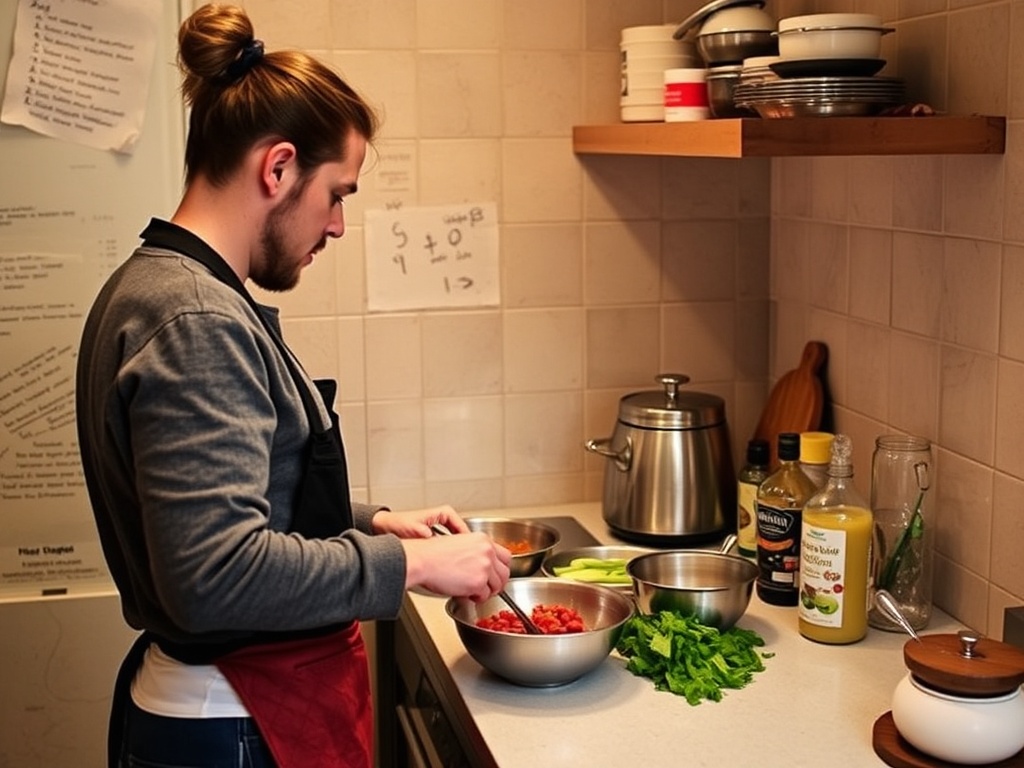
Pro tip: prioritize places with kitchens. Cooking even a few meals saves a surprising amount.
Food Without Overspending (And Without Missing Out)
Food is one of the best parts of traveling in Europe—and one of the easiest places to overspend.
The trick is balance.
- Eat out once per day (lunch is usually cheaper than dinner)
- Use grocery stores for breakfast and snacks
- Look for local bakeries and street food
Skip restaurants with aggressive tourist menus. Walk a few streets away from major attractions—you’ll find better food at lower prices.
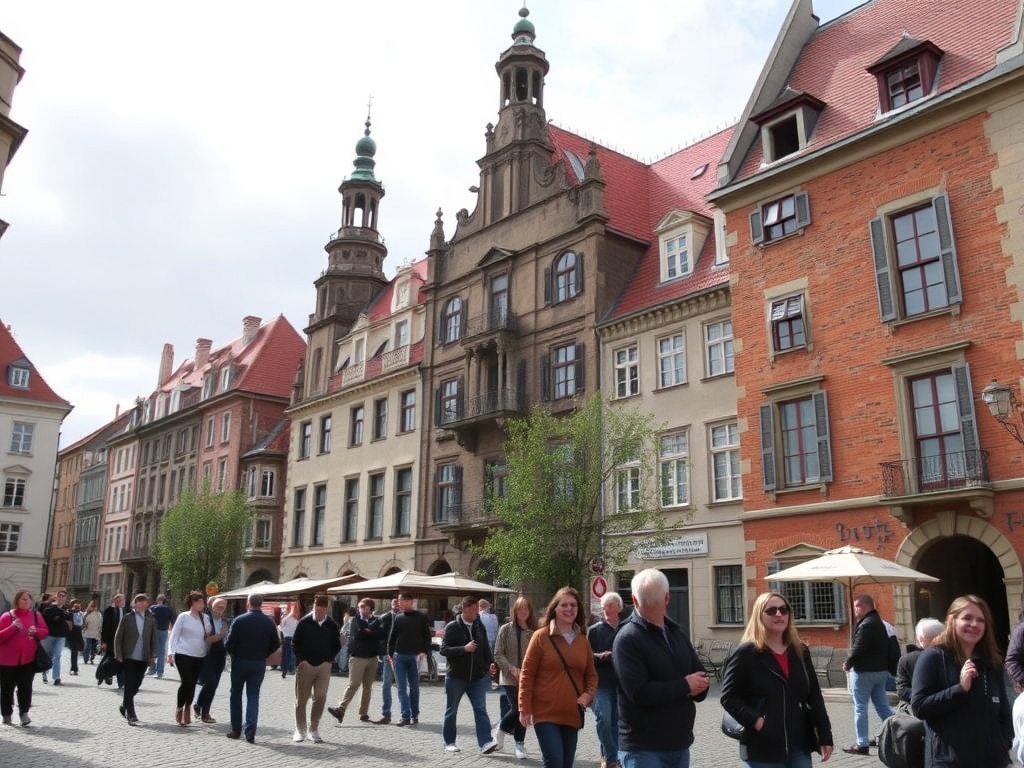
Experiences That Don’t Cost Much (or Anything)
You don’t need expensive tours to understand a place.
Low-cost, high-value experiences:
- Free walking tours (tip-based)
- Public viewpoints and parks
- Museums with free entry days
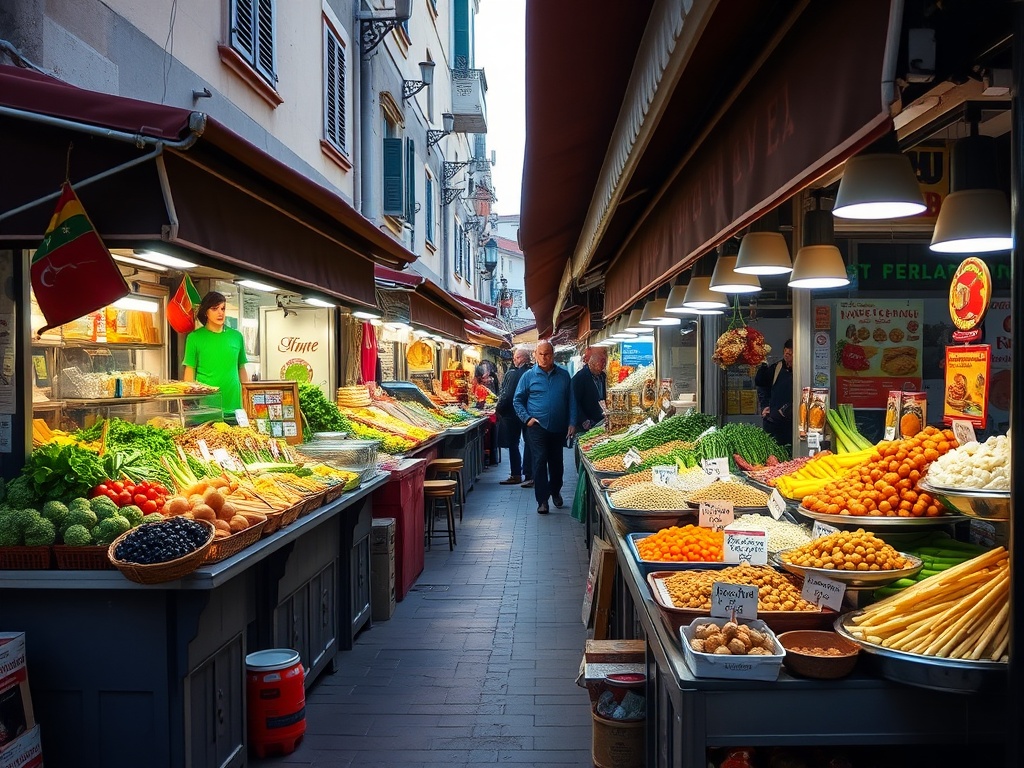
- Local festivals and markets
Some of the best travel moments come from simply wandering neighborhoods and observing daily life.
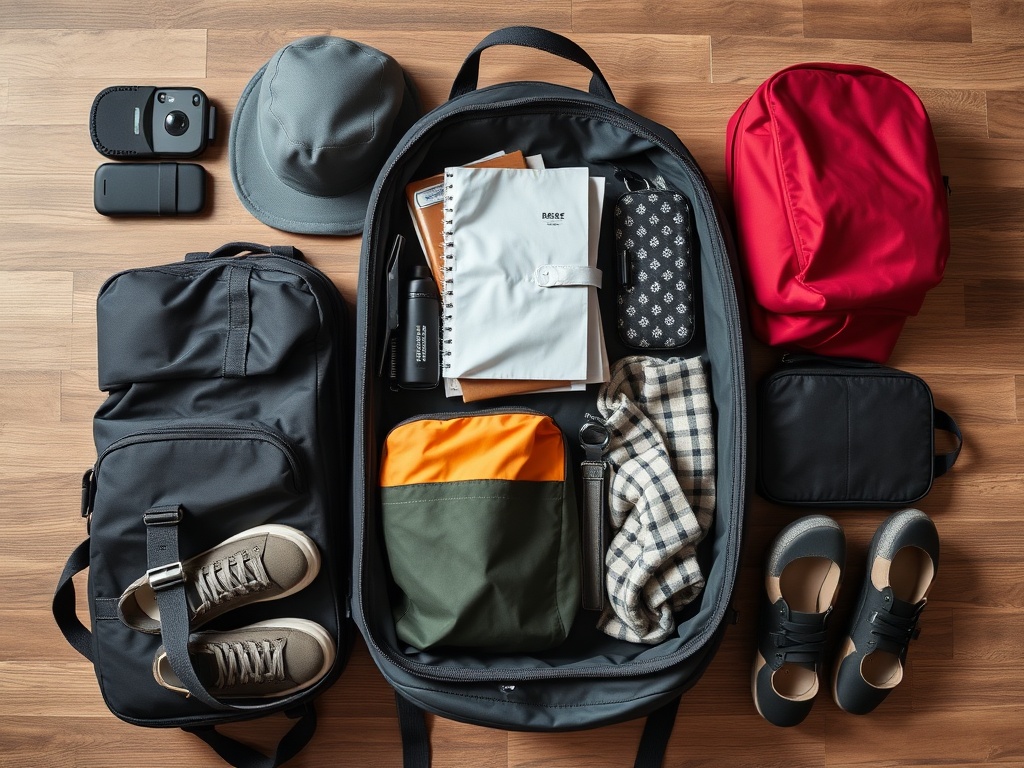
Packing Smart Saves You Money
Overpacking leads to extra fees, inconvenience, and unnecessary stress.
Stick to a carry-on whenever possible. Budget airlines charge heavily for checked bags, and traveling light gives you flexibility.
- Bring versatile clothing
- Wear your bulkiest items on travel days
- Pack a reusable water bottle
Less weight means fewer decisions—and fewer expenses.
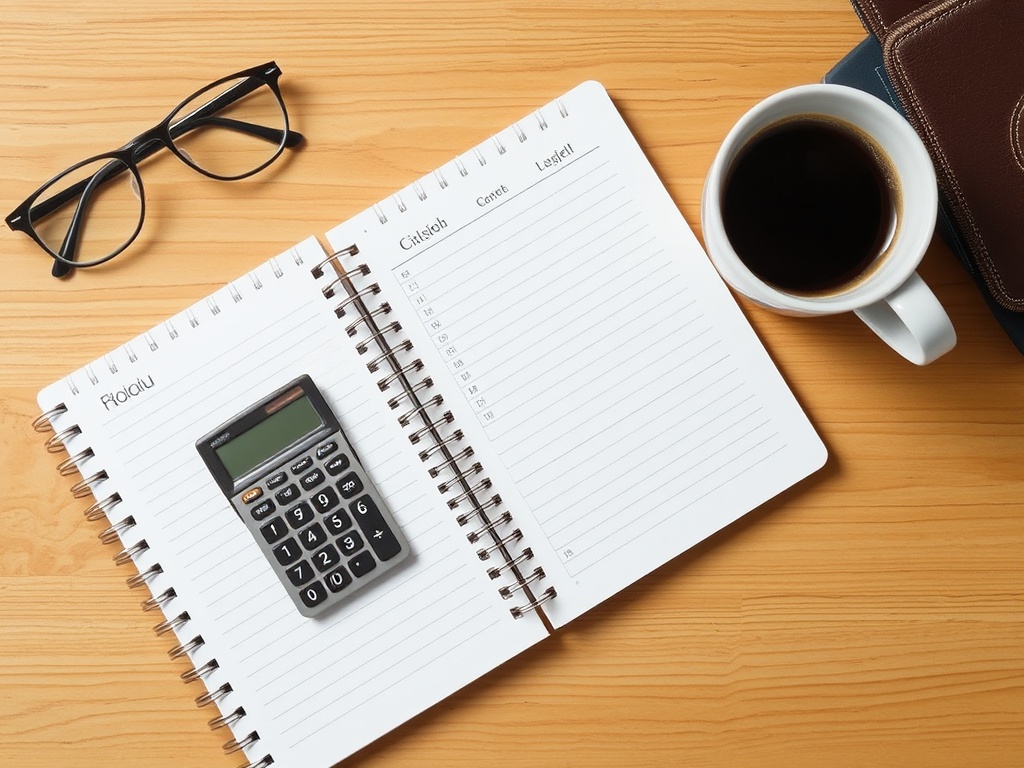
Build a Simple Daily Budget System
You don’t need a complicated spreadsheet, but you do need awareness.
Set a daily spending target based on your total budget and trip length. Track your spending loosely—just enough to avoid surprises.
If you overspend one day, adjust the next. This flexibility keeps your trip enjoyable without losing control.
Final Thoughts: Spend Intentionally, Not Minimally
The best budget trips don’t feel cheap—they feel intentional.
You’re not trying to spend as little as possible. You’re trying to spend well.
When you choose destinations wisely, move efficiently, and focus on meaningful experiences, Europe becomes far more accessible than most people expect.
And the best part? You’ll come home with better stories than someone who spent three times as much.