How to Travel Europe on a Budget: A Practical 2026 Guide That Actually Saves You Money

Europe has a reputation for draining wallets, but that’s mostly because people plan it wrong. The difference between a $4,000 trip and a $1,500 trip often comes down to a handful of decisions: when you book, where you sleep, how you move, and what you eat. This guide strips out the fluff and shows you exactly how to make Europe affordable without turning your trip into a sacrifice.
Choose Destinations That Stretch Your Budget
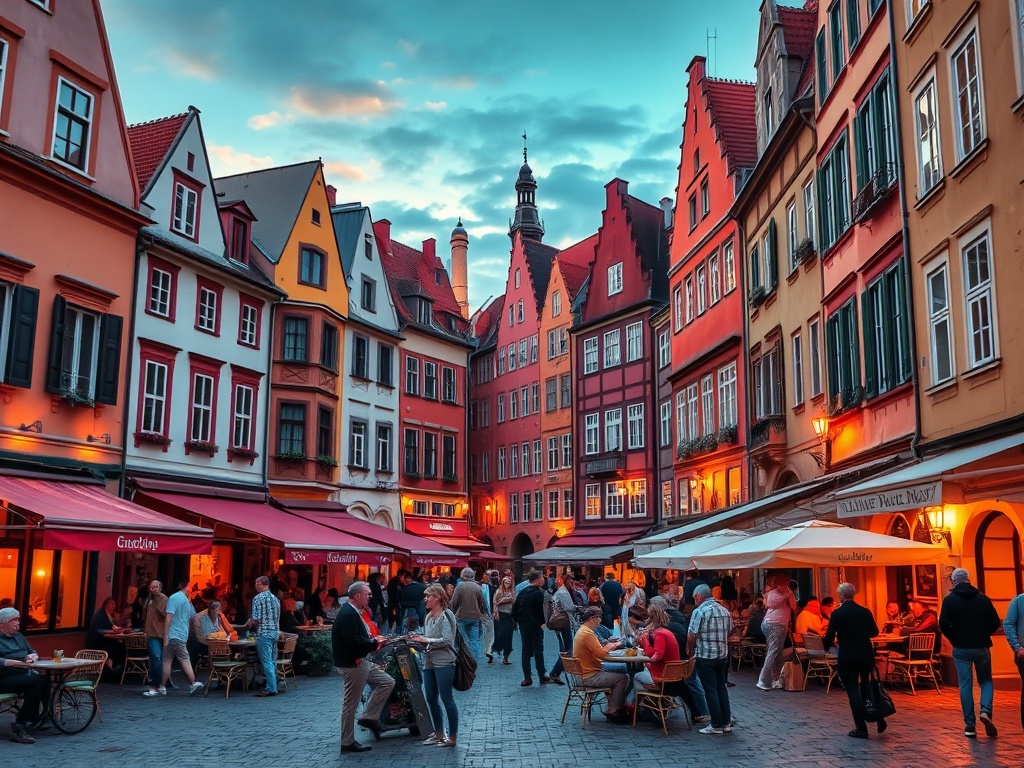
Not all of Europe costs the same. Western capitals like Paris, London, and Zurich can burn through your budget in days, while cities in Eastern and Southern Europe offer similar experiences at a fraction of the price.
Think Lisbon instead of Paris, Kraków instead of Vienna, or Budapest instead of Munich. You still get architecture, food, and culture—just without the premium price tag. A smart itinerary mixes one or two expensive cities with several affordable ones.
Book Flights Strategically (Not Early, Not Late)

The sweet spot for transatlantic flights is usually 2–5 months in advance. Booking too early locks you into higher baseline fares, while waiting too long limits your options.
Use flexible date searches and nearby airports. Flying into Brussels instead of Paris or Milan instead of Venice can cut hundreds off your ticket. Budget airlines fill the gaps within Europe—but only if you travel light.
Master Accommodation Without Overpaying

Hotels are the fastest way to blow your budget. Instead, mix and match:
- Hostels: Not just for students—many offer private rooms cheaper than hotels.
- Budget hotels: Chains and local guesthouses often outperform Airbnb on price.
- Airbnb: Useful for groups, but fees can add up quickly.
If you stay just outside city centers and rely on public transit, you can cut accommodation costs by 30–50% without losing access.
Use Trains and Buses the Smart Way

Transport within Europe is where smart planning pays off. High-speed trains are convenient but expensive unless booked early. Regional trains and buses (like FlixBus) are slower but dramatically cheaper.
For longer distances, budget airlines can cost less than trains—just watch baggage fees. Always compare before booking.
Eat Well Without Overspending
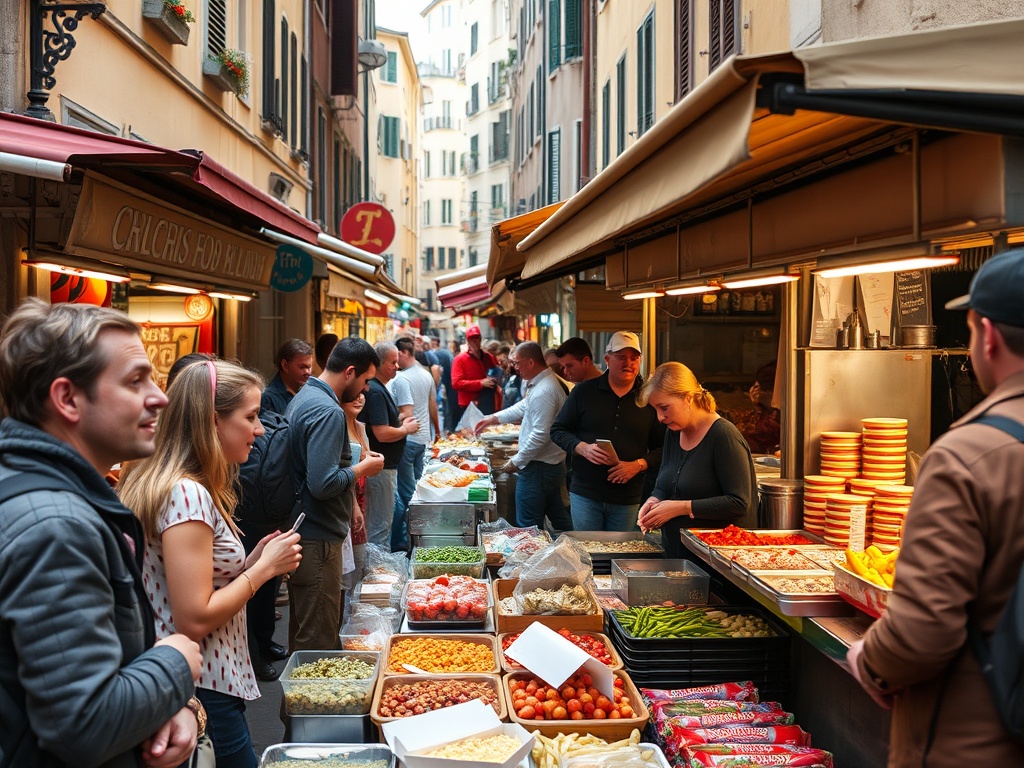
You don’t need to sit in tourist restaurants to eat well. In fact, you shouldn’t.
- Look for lunch specials (often half the dinner price)
- Visit local markets and bakeries
- Eat one “nice” meal per day, not three
Street food in cities like Berlin, Athens, and Barcelona is not just cheaper—it’s often better.
Avoid the Biggest Tourist Traps
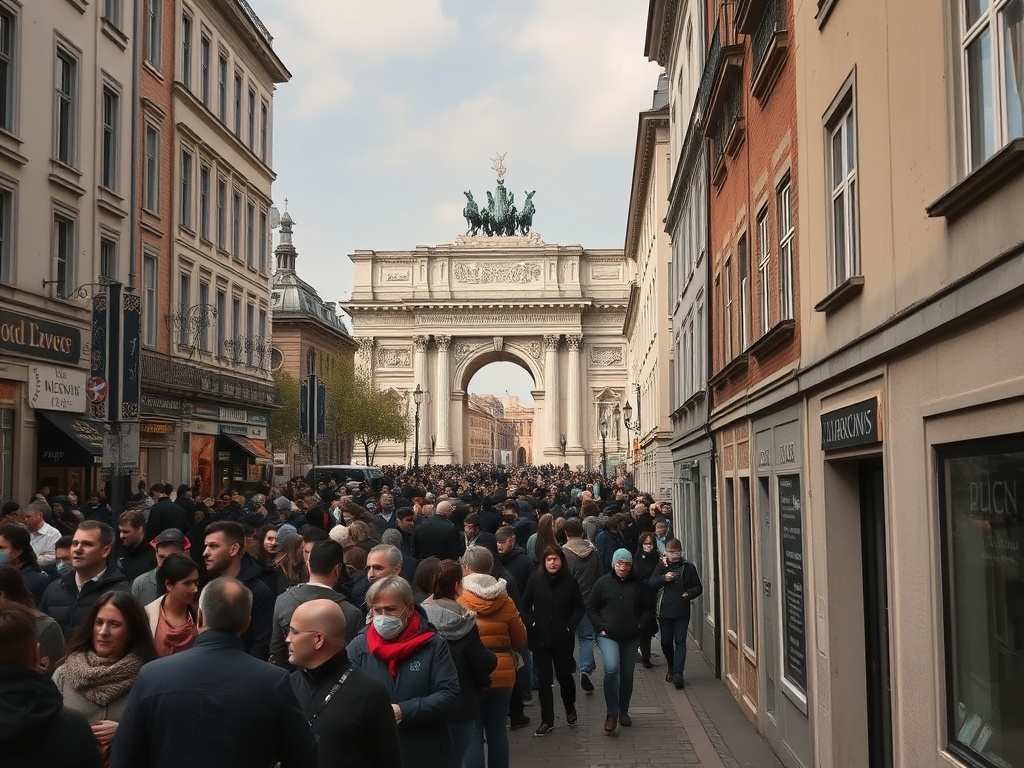
The most expensive parts of Europe are often the least memorable. Skip overpriced attractions with long lines and focus on experiences that cost little or nothing: walking neighborhoods, parks, viewpoints, and free museums.
Many cities offer free walking tours—tip-based and surprisingly high quality.
Use Passes and Discounts Selectively
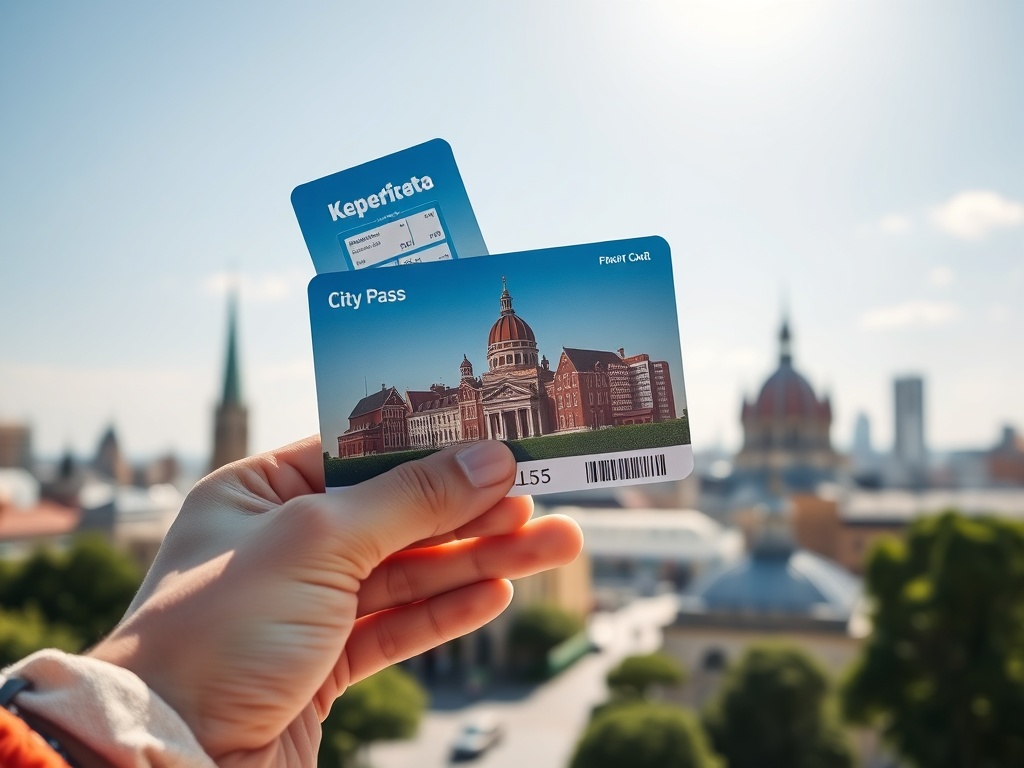
City passes and rail passes can save money—but only if you use them heavily. Don’t buy them by default. Calculate whether the included attractions and transport actually match your plan.
Pack Light and Avoid Hidden Fees
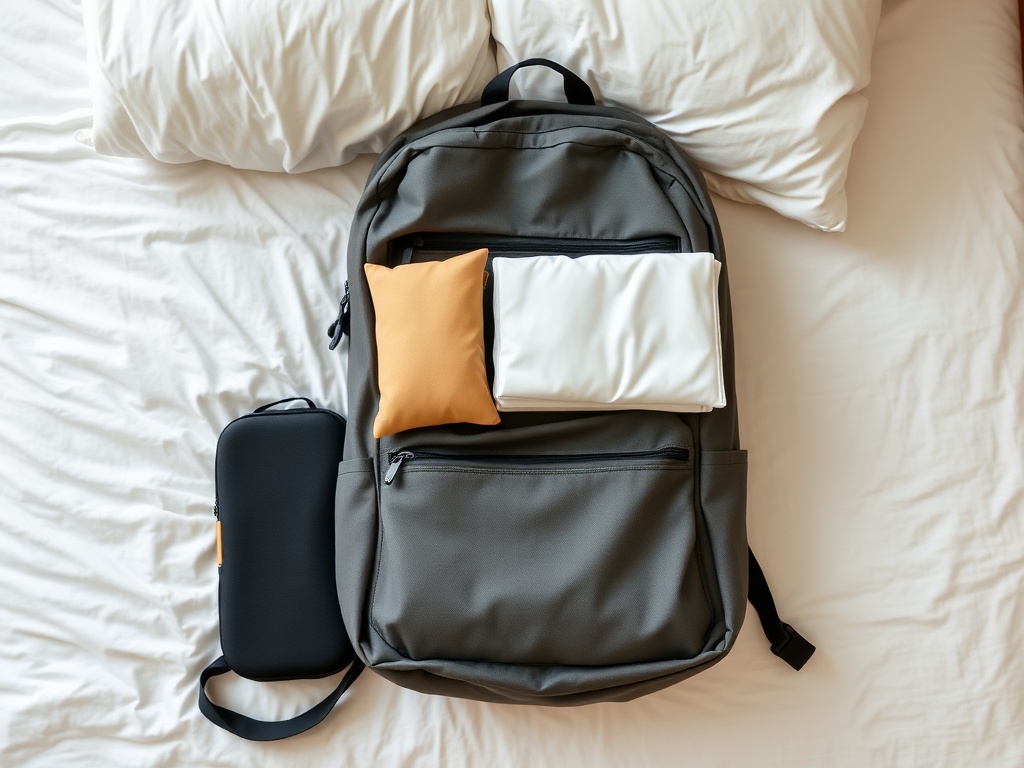
Budget airlines make their money on extras. A carry-on-only strategy avoids baggage fees and makes travel smoother. Choose versatile clothing and plan to do laundry.
Plan Your Daily Spending (Without Obsessing)

Set a rough daily budget for accommodation, food, and activities. This isn’t about tracking every cent—it’s about awareness. If you overspend one day, balance it the next.
Final Takeaway

Budget travel in Europe isn’t about cutting everything—it’s about choosing where to spend and where to save. Get the big decisions right (flights, accommodation, destinations), and the rest falls into place.
You’ll still eat great food, see incredible places, and come home with money left—something most travelers don’t manage.