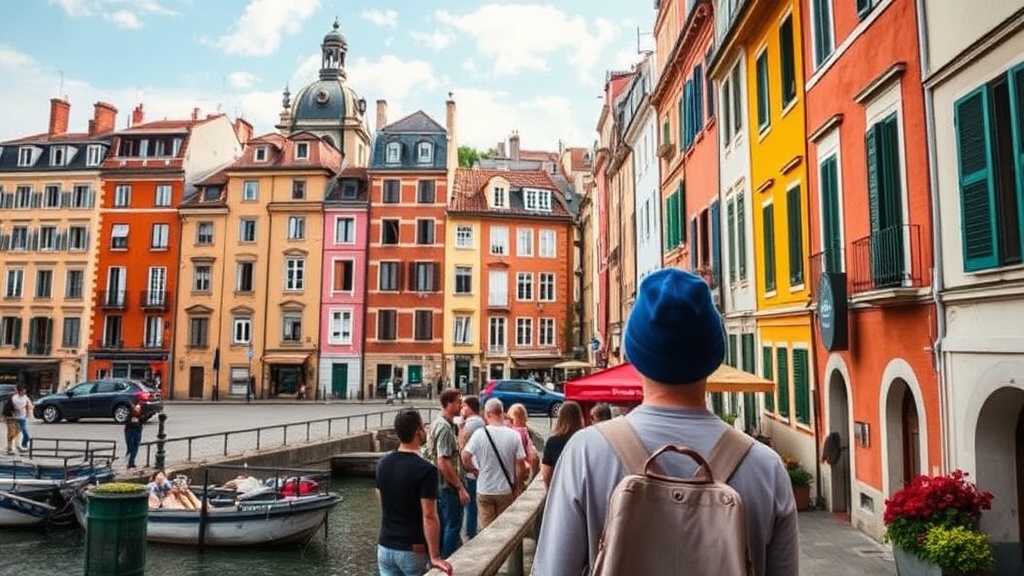
How to Travel Europe on $50 a Day Without Missing the Experience

Europe has a reputation for being expensive, but that reputation mostly belongs to travelers who never learned how to work the system. With a bit of planning, smart trade-offs, and a willingness to prioritize experiences over convenience, you can realistically travel across Europe on about $50 a day.
This is not about deprivation. It’s about understanding where money actually matters—and where it doesn’t.

Choose the Right Destinations First
Your daily budget is heavily influenced by where you go. Western Europe—think Paris, Amsterdam, Zurich—can drain $50 before lunch. Meanwhile, cities in Central and Eastern Europe stretch your money dramatically.
Prioritize countries like Hungary, Poland, Romania, Portugal, and parts of Spain. In Budapest or Kraków, you can find hostels under $20, meals under $10, and public transit for a few dollars.
Even within expensive countries, smaller cities often cost half as much as capitals. Skip Milan for Bologna, or Paris for Lyon.

Accommodation: Spend Less, Stay Smart
Accommodation is your biggest expense, so optimizing it makes or breaks your budget.
- Hostels: Dorm beds range from $10–$30 depending on location.
- Budget hotels: Often competitive in Eastern Europe.
- House sitting: Free stays in exchange for pet care.
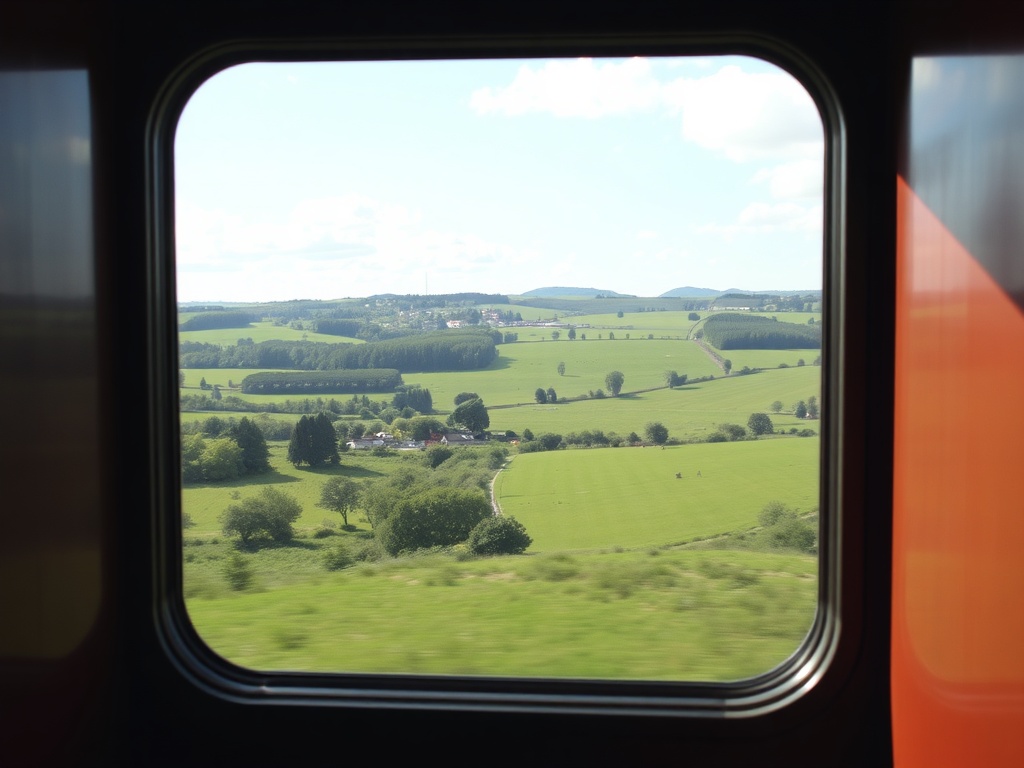
- Night trains: Combine transport and lodging.
Look for places with kitchens. Cooking even one meal a day can save $10–15.

Transportation: Think Regional, Not Fast
High-speed trains are convenient—but they’ll destroy your budget. Instead:
- Use regional trains and buses (FlixBus is a budget staple)
- Book early for cheaper fares
- Travel overnight when possible
Budget airlines can be incredibly cheap, but only if you avoid baggage fees and airport transfers that quietly add up.
Food: Eat Like a Local (Not a Tourist)
You don’t need to sacrifice good food—you just need to change where you eat.
- Avoid restaurants near major landmarks
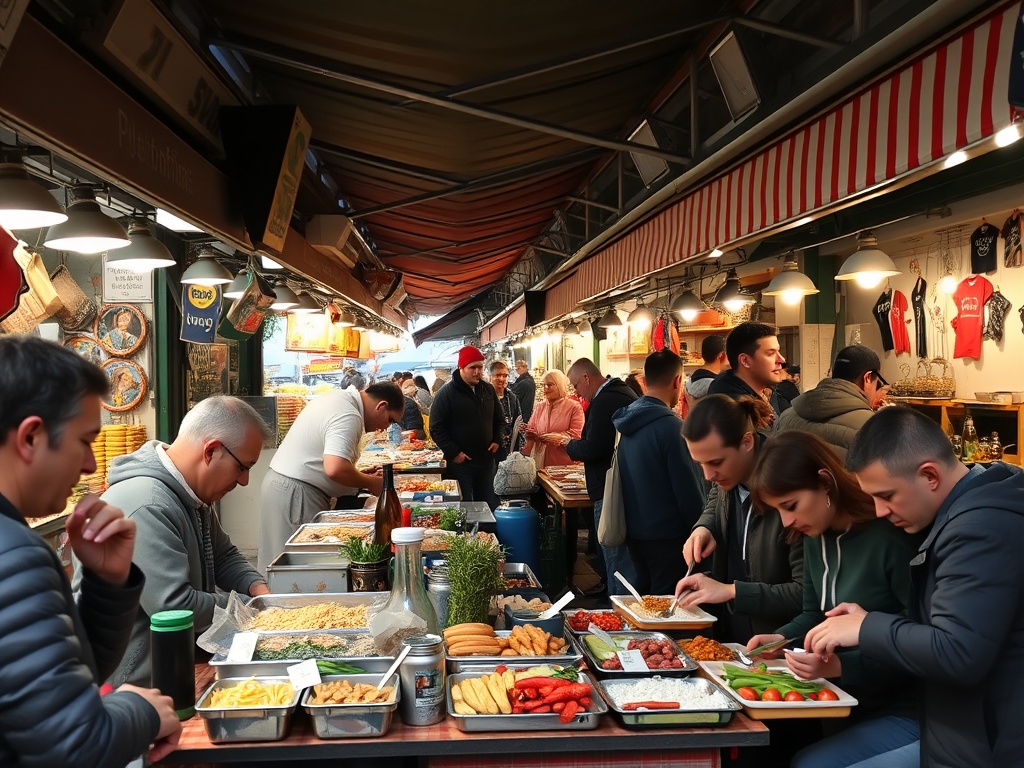
- Eat at bakeries, markets, and local diners
- Take advantage of lunch specials
Street food in cities like Berlin or Lisbon can cost under $5 and still be memorable. Grocery stores are your secret weapon for breakfast and snacks.
Activities: Focus on High-Value Experiences
Not everything worth doing costs money. In fact, some of the best experiences in Europe are free.
- Free walking tours (tip-based)
- Public parks and viewpoints
- Churches and historic streets
- Museum free days
Pick one or two paid highlights per city and skip the rest. You don’t need to see everything—you need to enjoy what you see.

Sample $50 Daily Budget
Here’s what a realistic daily breakdown might look like in a budget-friendly city:
- Accommodation: $18
- Food: $15
- Transport: $7
- Activities: $5
- Buffer: $5
Some days will go over. Others will come in under. The key is averaging out.
Mindset: The Real Budget Travel Hack
The biggest shift isn’t logistical—it’s mental. Budget travel rewards flexibility. You’ll walk more, plan more, and occasionally choose the slower option.
But in return, you’ll experience places more deeply. You’ll notice neighborhoods instead of just landmarks. You’ll eat where locals eat. You’ll stay longer because you can afford to.
$50 a day in Europe isn’t a limitation. It’s a filter that pushes you toward more authentic travel.