
How to Plan an Unforgettable Trip on a Tight Budget (Without Sacrificing Experiences)

Travel has a reputation problem: people assume it’s expensive, complicated, and reserved for those with flexible schedules and deep pockets. In reality, the difference between a $3,000 trip and a $900 trip often comes down to strategy, not luck. If you know where to cut costs—and where not to—you can build an itinerary that feels rich without draining your bank account.
Start With a Destination That Works for Your Budget
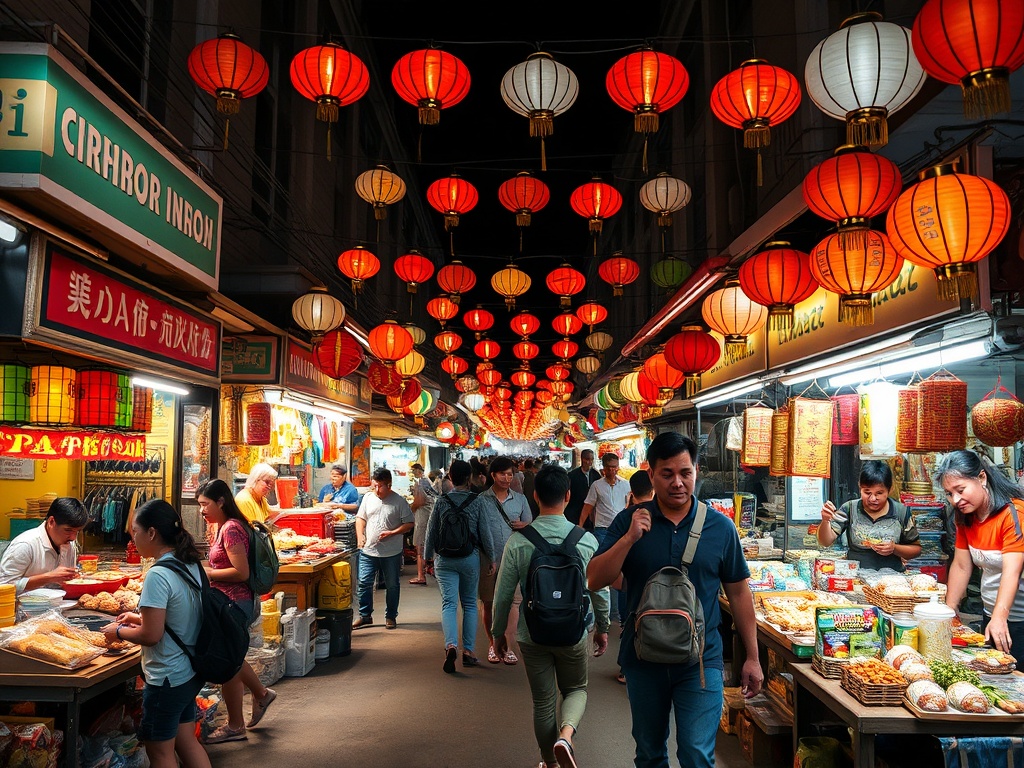
The biggest mistake budget travelers make is choosing a destination first and figuring out the budget later. Flip that. Some places are simply easier on your wallet.
Countries in Southeast Asia, Eastern Europe, and parts of Central America consistently offer better value for accommodation, food, and transportation. Even within expensive countries, certain regions are dramatically cheaper than others.
Instead of asking, “Where do I want to go?” ask, “Where can I go right now for less?” Use flexible search tools and browse destinations based on price trends rather than popularity.
Time Your Trip Strategically
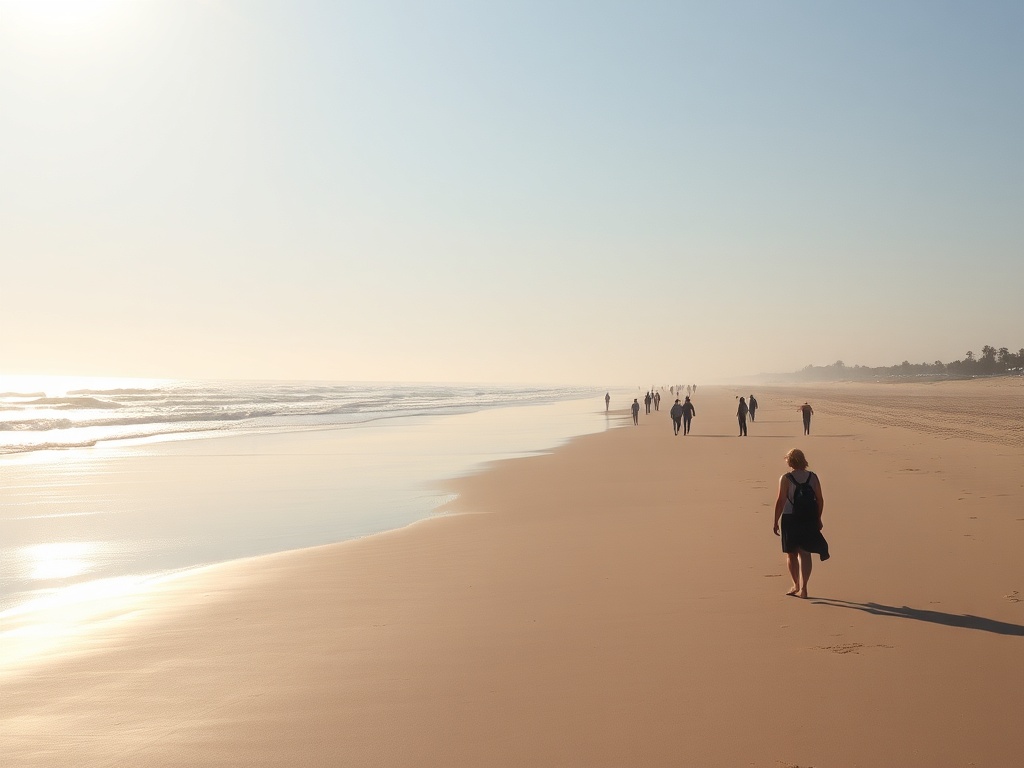
Timing is everything. Traveling during peak season can double or triple your costs without improving the experience.
The sweet spot is shoulder season—the period just before or after peak travel times. You’ll get better prices on flights and accommodations, fewer crowds, and often better weather than expected.
- Europe: April–May or September–October
- Caribbean: Late spring or early winter
- Asia: Varies by region, but avoid major holidays and monsoon peaks
Shifting your trip by even two weeks can save hundreds.
Flights: Think Flexible, Not Cheap
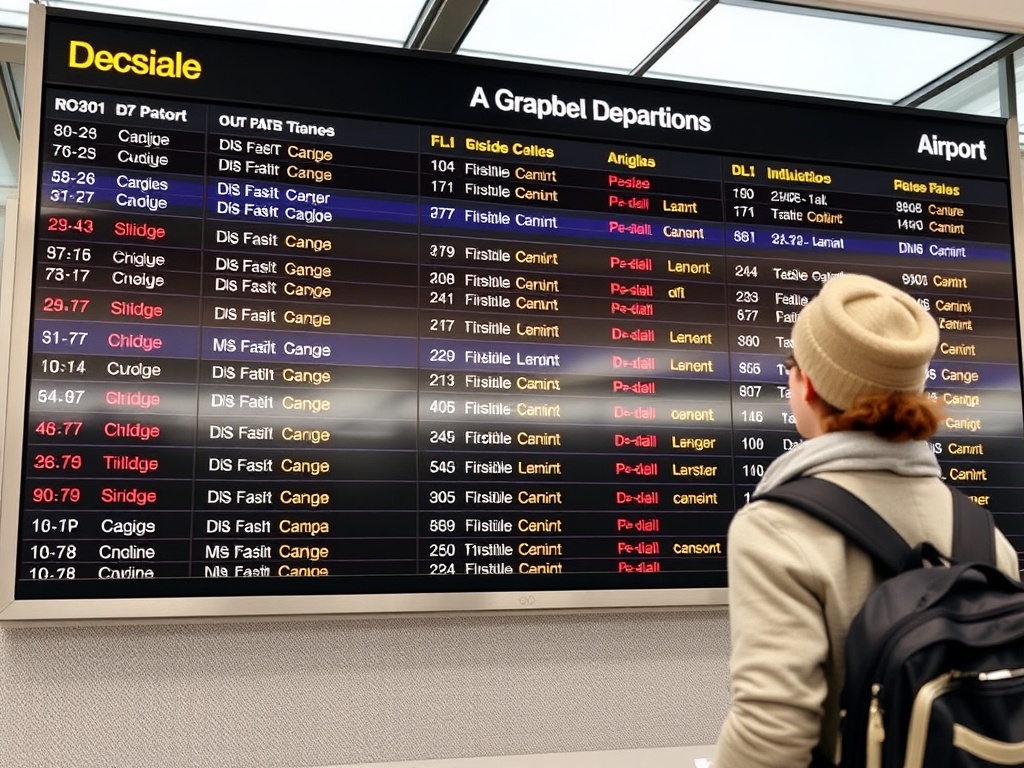
Cheap flights aren’t about finding secret deals—they’re about flexibility.
Use tools that show price comparisons across entire months. Be open to nearby airports, midweek departures, and red-eye flights. Budget airlines can be useful, but only if you understand the fees structure.
Key tactics:
- Search in incognito mode or clear cookies
- Book 1–3 months ahead for most trips
- Consider one-way tickets on different airlines
- Use points or travel credit cards strategically
The goal isn’t the absolute cheapest ticket—it’s the best value for your schedule and comfort.
Accommodation: Balance Cost and Location

Where you stay affects more than your budget—it shapes your entire trip.
Hostels, guesthouses, and short-term rentals often provide better value than hotels, especially for longer stays. But the real savings come from location.
Staying slightly outside city centers can cut costs dramatically, but only if transportation is reliable and affordable. Sometimes paying a bit more for a central location reduces transit costs and saves time.
Look for:
- Free breakfast or kitchen access
- Walkable neighborhoods
- Good public transit connections
Eat Like a Local (Not a Tourist)
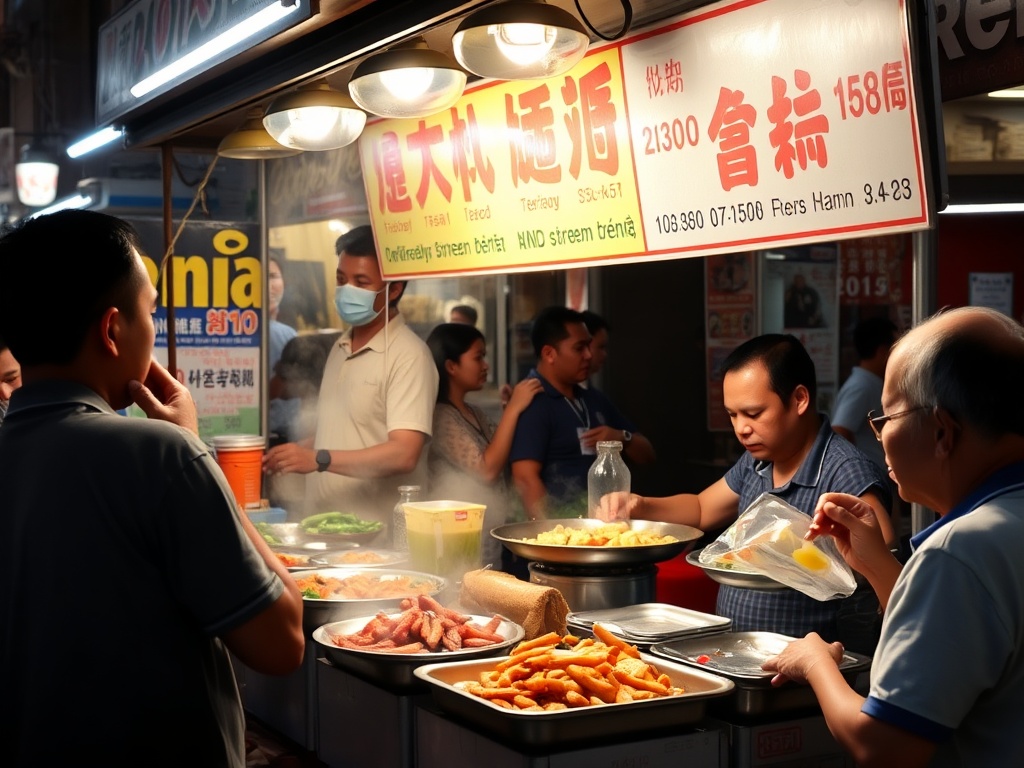
Food is one of the easiest places to overspend—and one of the easiest places to save.
Skip restaurants near major tourist attractions. Walk a few blocks away and you’ll often find better food at half the price.
Street food, local markets, and small family-run spots aren’t just cheaper—they’re usually more authentic.
A simple rule: if the menu has photos and multiple languages, it’s probably priced for tourists.
Use Public Transportation Like You Live There

Taxis and rideshares add up quickly. Most cities have reliable and affordable public transportation systems that tourists overlook.
Buy multi-day passes where available. Learn the basics of the local system before you arrive. Apps like Google Maps or Citymapper make navigation straightforward.
In many destinations, walking is not only free but the best way to experience the city.
Prioritize Experiences That Matter

Budget travel isn’t about cutting everything—it’s about choosing carefully.
Spend on experiences that genuinely matter to you and skip the rest. That might mean paying for a guided tour, a cooking class, or a unique excursion while avoiding overpriced attractions that don’t add much value.
Many of the best travel experiences are free:
- Walking tours (often tip-based)
- Hiking trails and viewpoints
- Public beaches and parks
- Cultural festivals and local events
Avoid Hidden Costs That Destroy Budgets

Small expenses can quietly derail your budget if you’re not paying attention.
Watch for:
- Foreign transaction fees
- Baggage fees on budget airlines
- Currency exchange markups
- Tourist taxes and service charges
Use a travel-friendly credit card, withdraw cash strategically, and always check the full cost before booking anything.
Pack Smart to Avoid Buying Things Later
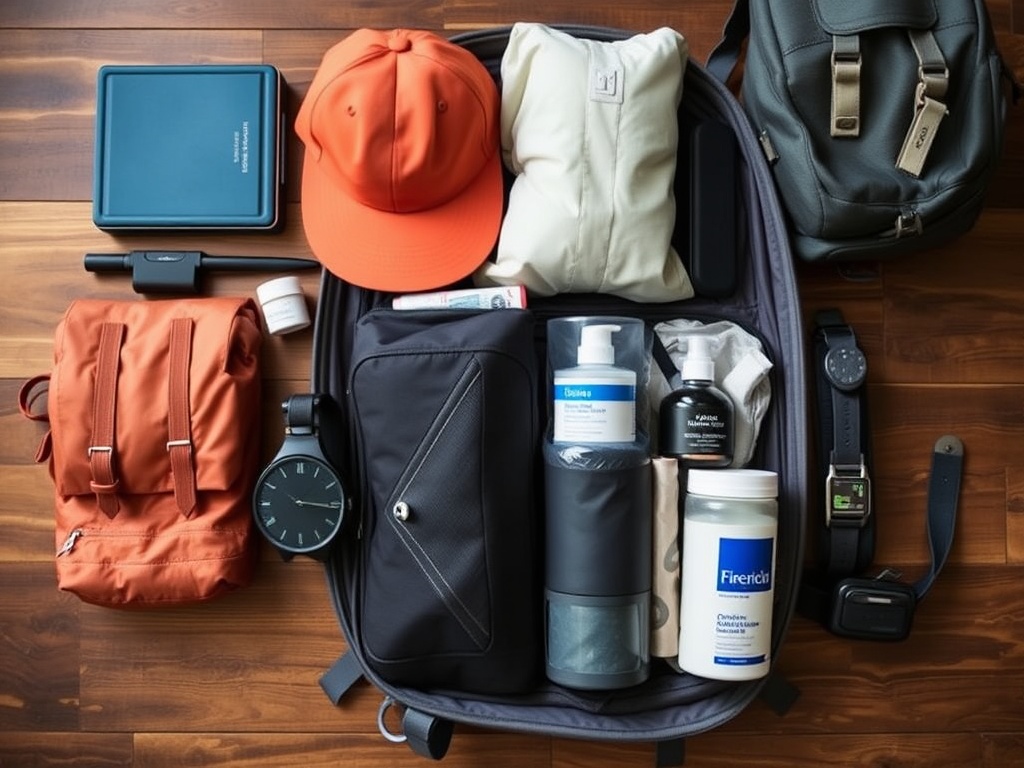
Every item you forget is something you’ll likely have to buy at a higher price during your trip.
Pack light but intentionally. Focus on versatile clothing, comfortable shoes, and essentials like adapters and toiletries.
A carry-on-only approach not only saves money on baggage fees but also simplifies your entire travel experience.
Build a Simple Daily Budget
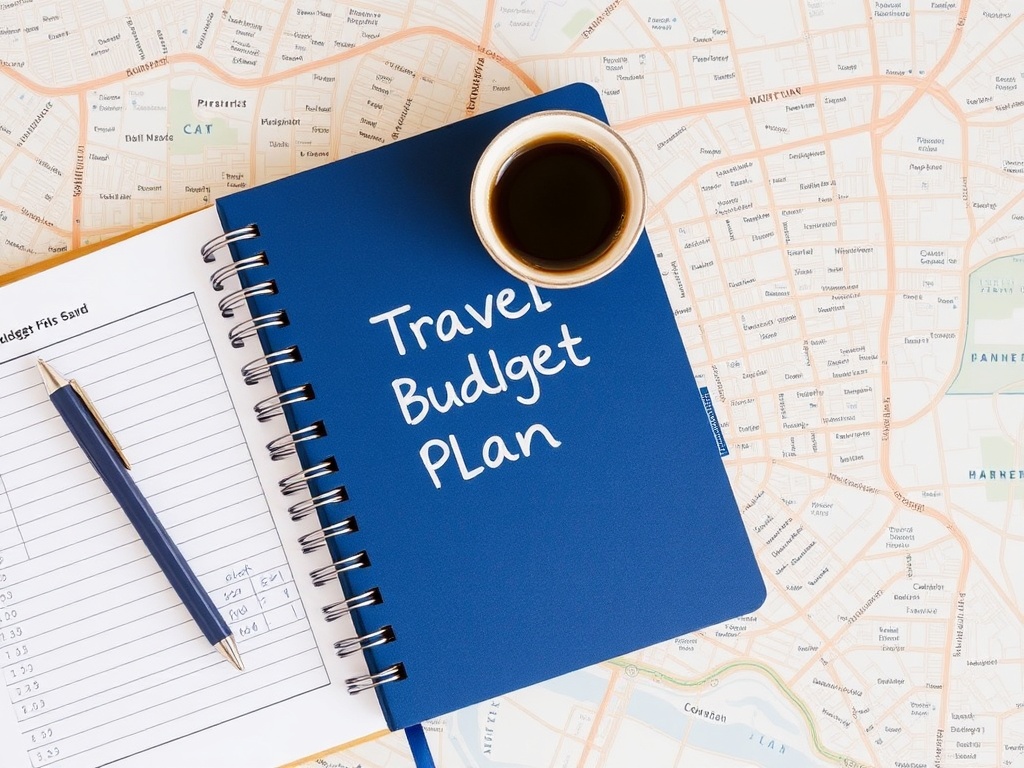
A daily budget keeps your spending in check without constant stress.
Break your total budget into categories: accommodation, food, transportation, and activities. Give yourself a flexible daily target rather than strict limits.
If you overspend one day, adjust the next. Budget travel is about balance, not perfection.
Final Thought: Cheap Doesn’t Mean Compromised

The best budget trips don’t feel cheap—they feel intentional.
When you focus on timing, flexibility, and smart choices, you can travel more often, stay longer, and experience destinations in a deeper way. The goal isn’t to spend as little as possible—it’s to get the most out of every dollar.
That shift in mindset is what turns budget travel from a limitation into an advantage.