
How to Plan a Full 7-Day Trip on a $500 Budget (Without Missing the Fun)

Planning a week-long trip on just $500 sounds unrealistic—until you break it down. The truth is, most travelers overspend on the same three things: flights, accommodation, and food. With a few deliberate choices and a willingness to trade convenience for value, you can stretch your budget far enough to cover an entire week without sacrificing memorable experiences.

Step 1: Choose the Right Destination (This Is Half the Battle)
Your destination determines whether $500 feels restrictive or abundant. Focus on cities or regions where your currency goes further. In North America, this might mean smaller cities or shoulder-season travel. Internationally, parts of Mexico, Central America, Eastern Europe, and Southeast Asia remain budget-friendly.
Look for destinations with:
- Affordable public transportation
- Walkable neighborhoods
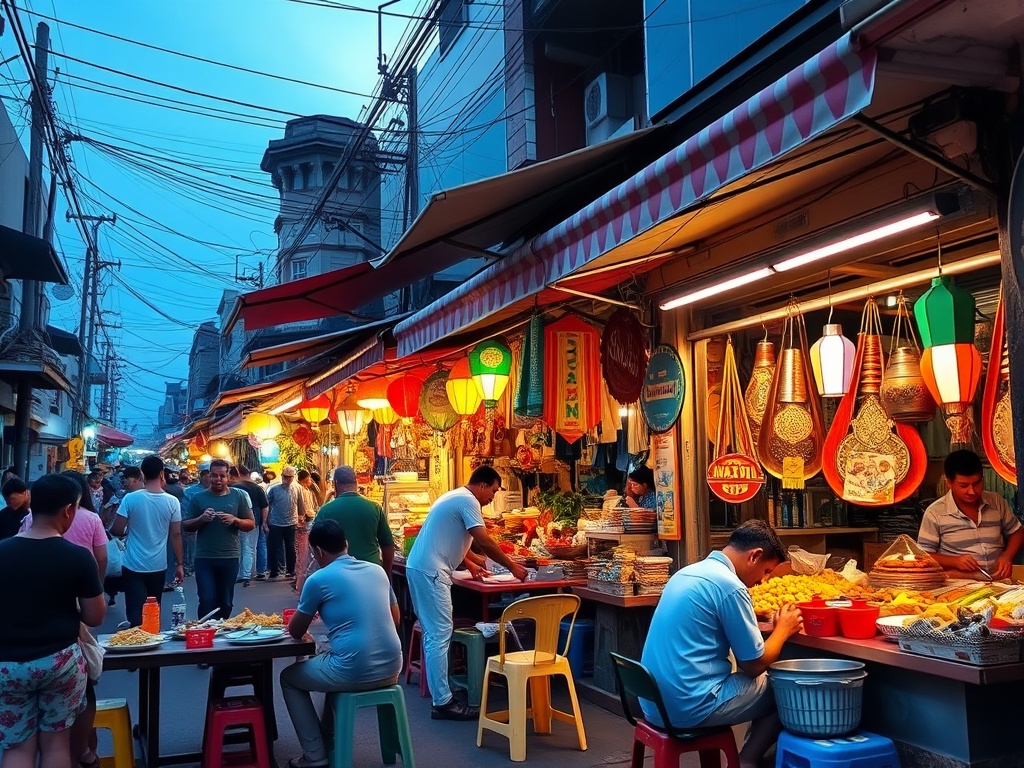
- Street food or local markets
- Free or low-cost attractions
Avoid destinations where accommodation alone eats half your budget.
Step 2: Lock in Cheap Transportation Early
Flights can either make or break your $500 plan. If flights exceed $200, the rest of your trip becomes tight. Use fare comparison tools, flexible dates, and budget airlines to your advantage.
Better yet, consider:
- Taking a bus or train instead of flying
- Traveling overnight to save on accommodation
- Using points or rewards if available
Set a hard cap: transportation should stay under 40% of your total budget.

Step 3: Build a $70/Day Spending Framework
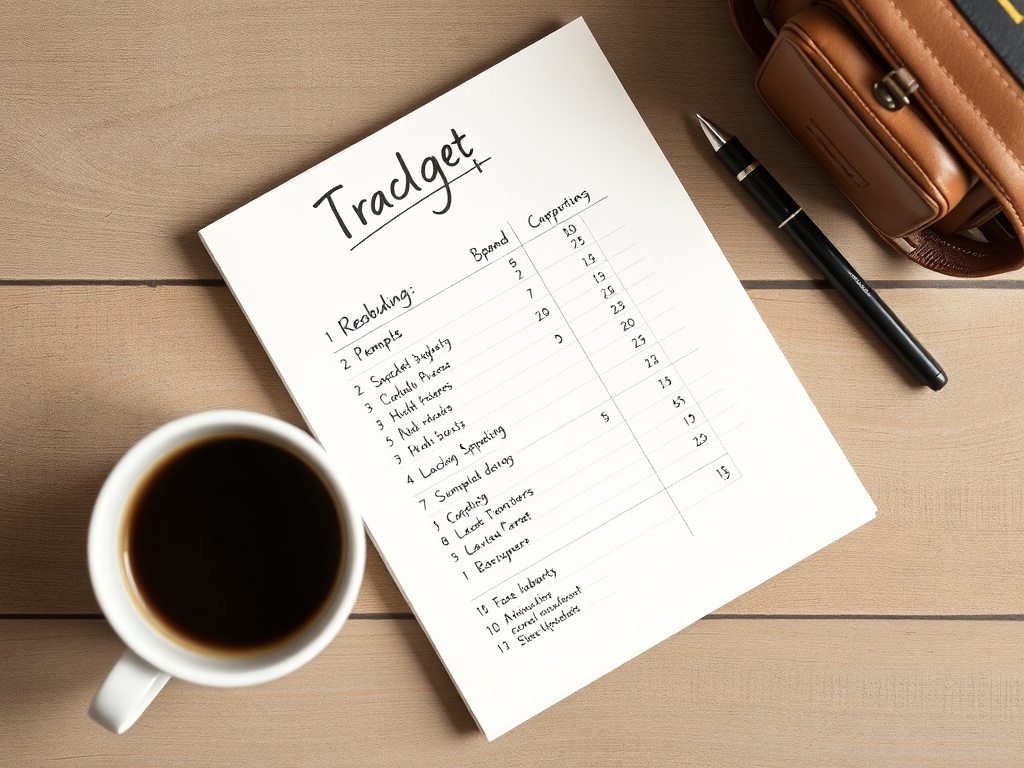
A $500 weekly budget gives you about $70 per day. This is your working number. Break it down:
- Accommodation: $25–$35
- Food: $15–$20
- Transport + activities: $10–$20
This isn’t rigid—it’s a guide. Some days you’ll spend less, others slightly more. The key is staying within your weekly total.
Step 4: Find Accommodation That Works for You
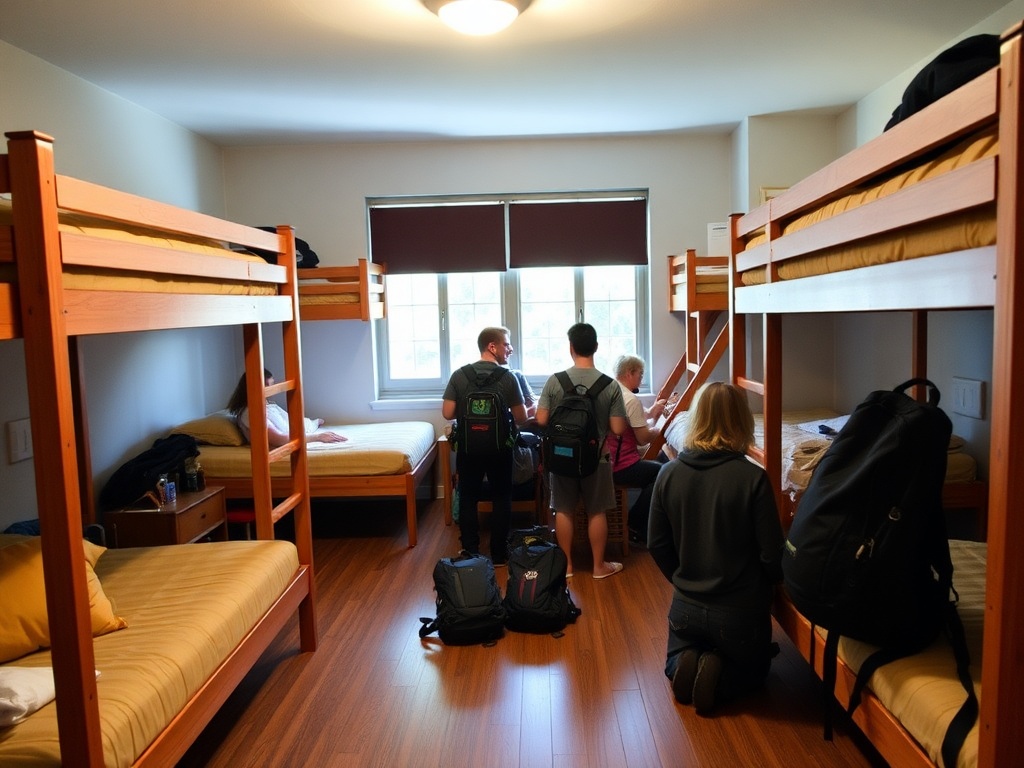
You won’t find luxury at this price point, but you can find clean, safe, and social places to stay.
- Hostels: best value, especially dorms
- Budget guesthouses: often cheaper than hotels
- House sitting or couchsurfing: free options if planned ahead
Look for places with kitchens. Cooking even one meal a day saves more than you expect.
Step 5: Eat Like a Local (Not Like a Tourist)
Food is where many budgets quietly fall apart. Restaurants in tourist zones charge a premium, but local spots offer better meals for less.
- Eat street food or from small family-run places
- Shop at grocery stores for breakfast and snacks
- Avoid daily coffee shop runs—buy instant or make your own
Aim to keep your daily food cost under $20.

Step 6: Prioritize Free and Low-Cost Activities
You don’t need expensive tours to enjoy a destination. Some of the best experiences cost nothing.
- Walking tours (often tip-based)
- Parks, beaches, and scenic viewpoints
- Museums with free entry days
- Self-guided exploration using maps
Pick one or two paid experiences if they matter to you, and build the rest of your itinerary around free options.

Step 7: Track Every Dollar (Yes, Every One)
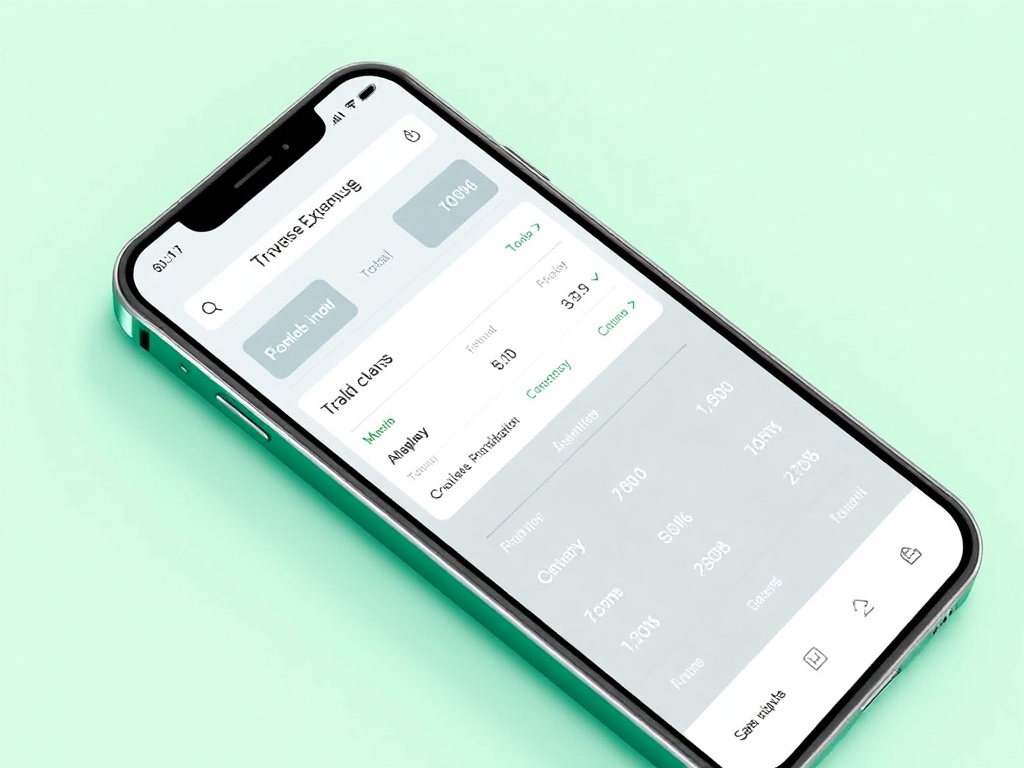
This is the difference between staying within budget and blowing past it. Use a notes app or simple spreadsheet to log expenses daily.
Tracking helps you:
- Adjust spending before it’s too late
- Identify where money leaks happen
- Stay accountable to your $500 goal
Step 8: Build Flexibility Into Your Plan
Rigid budgets fail because travel is unpredictable. You might find a must-do activity or need to adjust transportation plans.
Keep a small buffer (around $50) for unexpected costs. If you don’t use it, it becomes extra spending money at the end.

Step 9: Sample 7-Day Budget Breakdown
Here’s how a realistic $500 trip might look:
- Transportation: $180
- Accommodation (6 nights): $180
- Food: $110
- Activities + local transport: $30
Total: $500
This works best in destinations where daily costs are naturally low. The tighter your transport budget, the more flexibility you’ll have during the trip.
Step 10: Mindset Matters More Than Money
A $500 trip isn’t about cutting joy—it’s about choosing what actually matters. You’ll skip overpriced tours and fancy meals, but you’ll gain something better: a more local, immersive experience.
Budget travel rewards curiosity, flexibility, and a bit of creativity. If you approach it with the right mindset, $500 can take you further than you expect.
Plan intentionally, track your spending, and stay open to simple experiences. That’s the formula.
Steps
- 1
Choose the Right Destination
- 2
Lock in Cheap Transportation
- 3
Build a Daily Budget
- 4
Find Affordable Accommodation
- 5
Eat Like a Local
- 6
Plan Free Activities
- 7
Track Spending
- 8
Stay Flexible
- 9
Review Your Budget Breakdown
- 10
Adopt the Right Mindset