How to Plan a 7-Day Trip on a Tight Budget Without Missing the Experience

Step 1: Set a Realistic Budget (and Stick to It)
The biggest mistake budget travelers make isn’t spending too much—it’s not knowing what “too much” actually is. Before you even think about destinations or flights, decide your total budget. Then break it into categories: flights, accommodation, food, local transport, and experiences.
A simple rule: allocate about 40% to flights (or transport), 30% to accommodation, 20% to food, and 10% to activities. This isn’t rigid, but it gives you a framework.
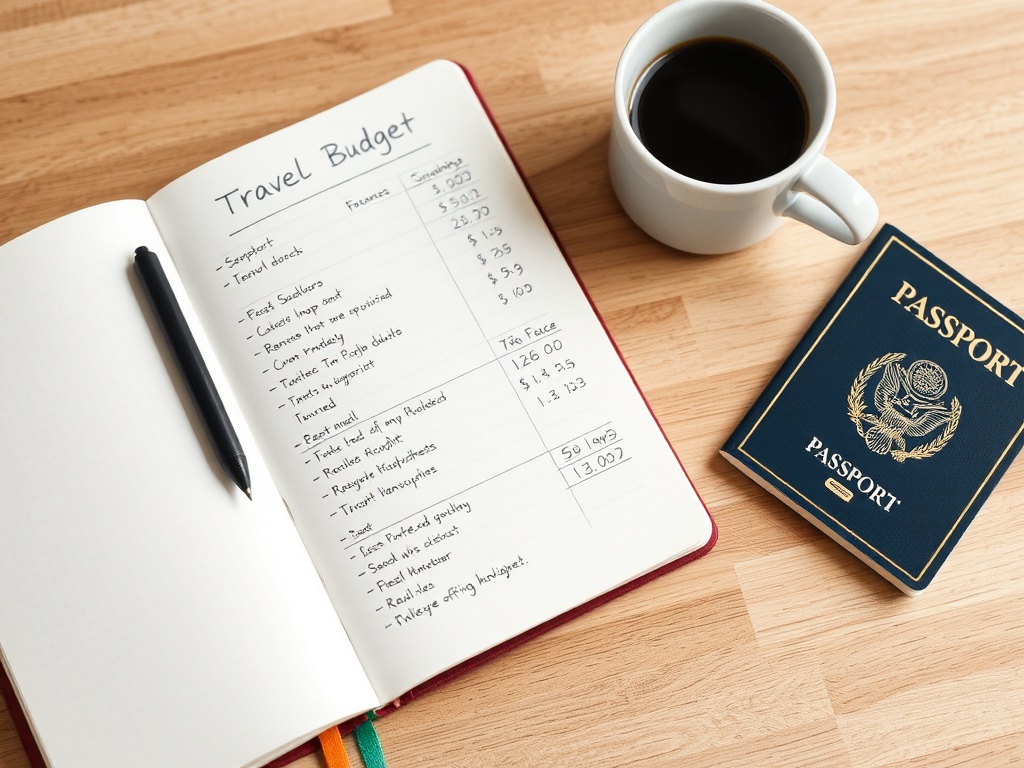
Use apps or a spreadsheet. Track everything. The moment you stop tracking, you start overspending.
Step 2: Choose the Right Destination (Not the Dream Destination)
Budget travel isn’t about chasing the most popular destination—it’s about finding places where your money goes further. Southeast Asia, Eastern Europe, and parts of Central America consistently outperform Western Europe or major U.S. cities in terms of value.
Flexibility is your superpower. Instead of “Paris in July,” think “anywhere cheap in Europe in shoulder season.” That one shift can cut your costs in half.
Also consider currency strength. If your home currency is strong against the local one, everything from food to tours becomes cheaper instantly.
Step 3: Hunt for Flights Like a Strategist
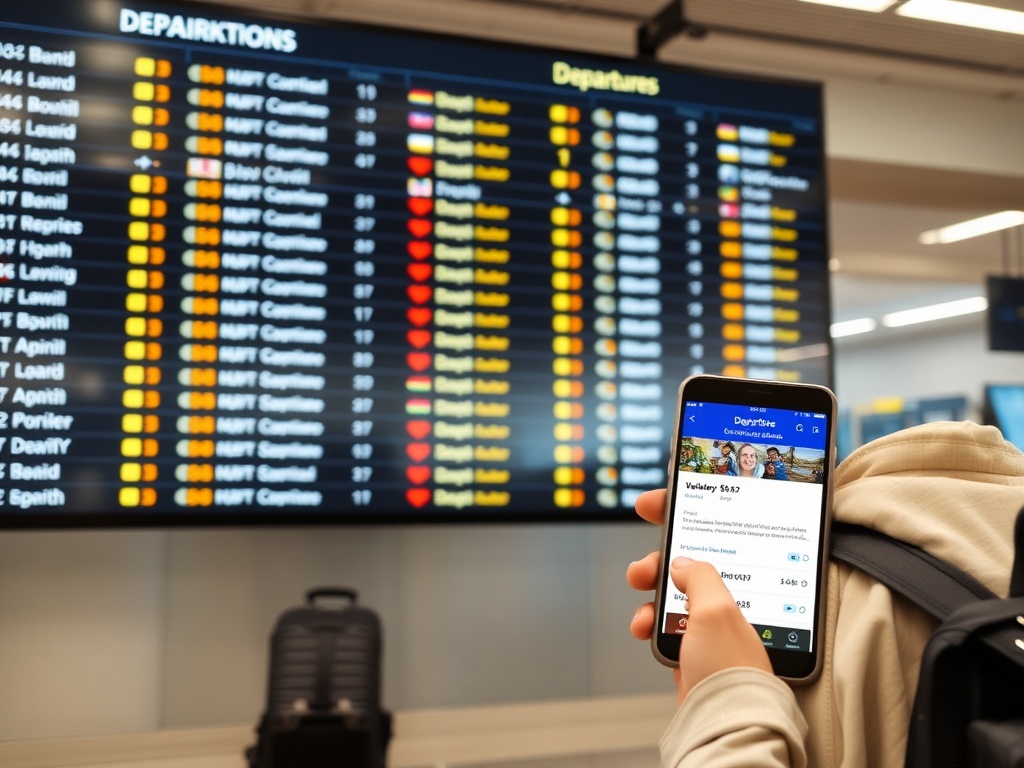
Flights are often the biggest expense—but they’re also the most flexible. Use tools like Google Flights or Skyscanner and search with flexible dates. Flying mid-week instead of weekends can save you hundreds.
Set alerts and be patient. Prices fluctuate constantly, and the best deals often appear and disappear within days.
Another trick: consider nearby airports. Flying into a secondary airport and taking a train or bus can significantly reduce costs.
Step 4: Book Accommodation That Works for Your Travel Style
Forget the idea that hotels are your default. Budget travelers mix and match: hostels, guesthouses, Airbnb rooms, and even overnight buses or trains.
Hostels aren’t just for backpackers anymore. Many offer private rooms at a fraction of hotel prices, plus kitchens that let you cook your own meals.
Location matters more than luxury. Staying slightly outside tourist centers can cut costs dramatically while still keeping you connected by public transport.

Step 5: Build a Flexible Itinerary (Not an Exhausting One)
Trying to see everything is expensive. Every extra attraction, ticket, or transit ride adds up. Instead, focus on 1–2 key experiences per day.
Mix paid and free activities. Museums one day, walking tours or parks the next. Many cities offer free walking tours that are both informative and budget-friendly.
Leave room for spontaneity. Sometimes the best experiences—street performances, local markets, random cafes—cost little or nothing.

Step 6: Eat Smart Without Missing Local Flavor
Food is where many budgets quietly collapse. Eating every meal at restaurants adds up fast.
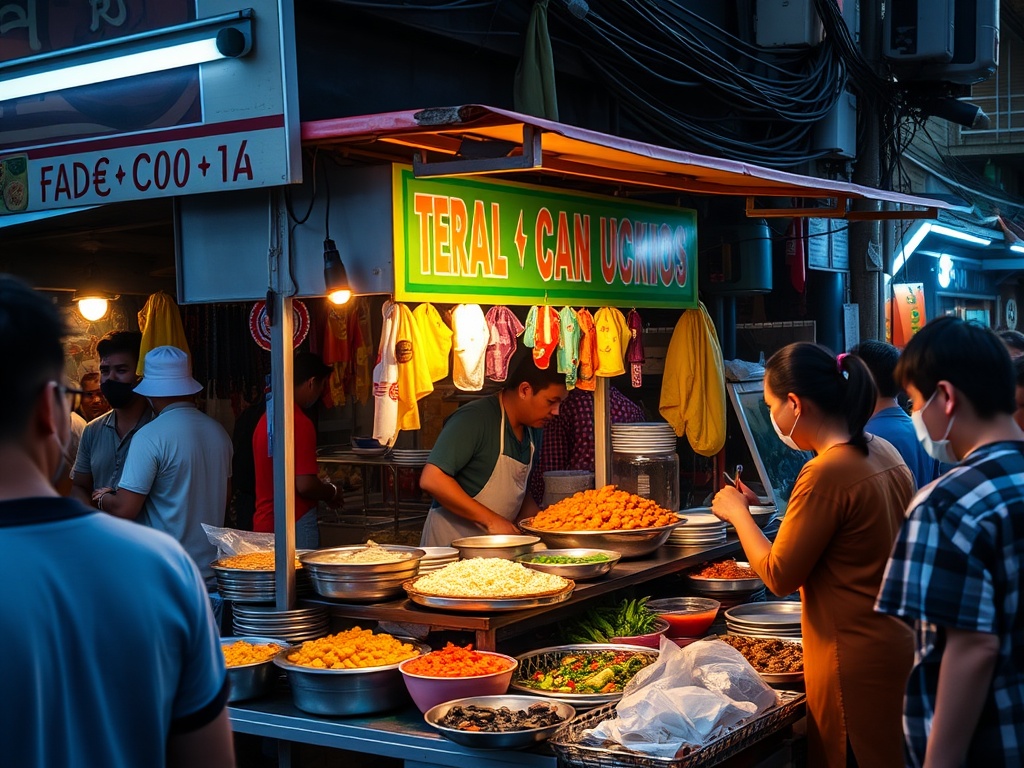
Instead, follow a simple strategy: one “experience meal” per day, and keep the rest simple. Breakfast from a bakery, lunch from a street vendor, and one sit-down dinner.
Shop at local grocery stores. Not only is it cheaper, but it’s also a great way to experience local culture.
Step 7: Use Public Transportation Like a Local
Taxis and ride-shares are convenient—but they destroy budgets. Public transportation is almost always cheaper and often faster in busy cities.
Look for day passes or weekly transit cards. These can offer unlimited rides at a fixed cost, making it easier to explore without worrying about every trip.
Walking is underrated. Not only is it free, but it often reveals parts of a city you’d otherwise miss.

Step 8: Cut Costs on Activities Without Cutting Experiences
You don’t need to pay for everything to have a full trip. Many of the best experiences are free: viewpoints, beaches, hikes, neighborhoods.
Research discount days. Museums often have free or reduced entry on certain days or evenings.
City passes can be worth it—but only if you’ll actually use them. Do the math before buying.

Step 9: Pack Strategically to Avoid Hidden Costs
Budget airlines are notorious for extra fees. A poorly packed bag can cost you more than your ticket.
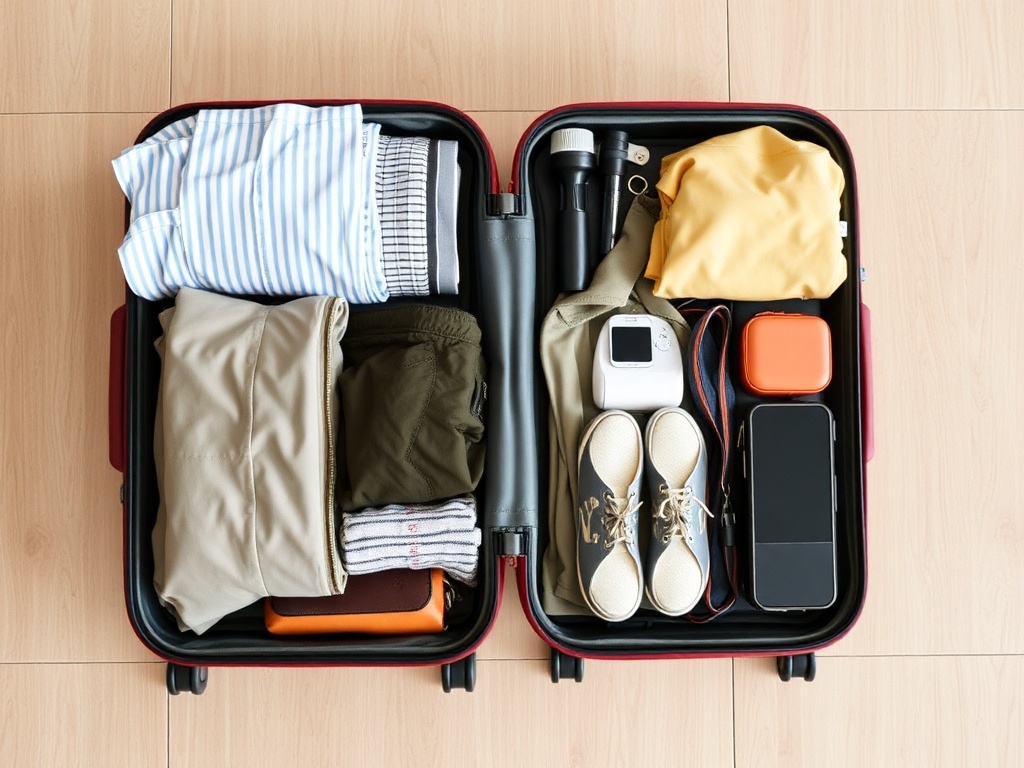
Stick to carry-on if possible. Choose versatile clothing you can mix and match. Pack essentials like a reusable water bottle, snacks, and a small first-aid kit.
This isn’t just about saving money—it’s about convenience. Traveling light makes everything easier.
Step 10: Track Spending Daily and Adjust in Real Time
Budget travel isn’t a one-time plan—it’s an ongoing process. Check your spending every day. If you overspend one day, adjust the next.
This flexibility is what keeps a 7-day trip from turning into a financial regret.
By the end of your trip, you’ll not only have stayed within budget—you’ll understand exactly where your money went, making your next trip even smarter.

Final Thought
A tight budget doesn’t limit your travel—it sharpens it. You make more intentional choices, discover more local experiences, and often end up with a richer trip than if you’d spent freely.
The goal isn’t just to spend less. It’s to spend better.