Daylight Saving Light Hacks: Boost Mood & Productivity

Daylight Saving Light Hacks: Boost Mood & Productivity
Ever feel like the daylight saving time clock change stole a few hours of your morning mojo? You're not alone. After we spring forward, the world seems a bit dimmer at dawn, and that can throw off our energy and focus. Luckily, a few easy light tricks can help you reclaim that sunrise spark and keep your productivity humming.
Why does morning light matter after the clock change?
When we lose an hour, our internal clock—also known as the circadian rhythm—gets a little confused. Natural sunlight is the strongest cue that tells our bodies "Hey, it's time to wake up and get moving." Without enough morning light, you might notice sluggishness, mood dips, or that dreaded mid‑morning slump.
"Light is the most powerful regulator of our circadian system," says the National Institute of General Medical Sciences (2025).
How can I capture more morning light?
1. Re‑arrange your bedroom layout?
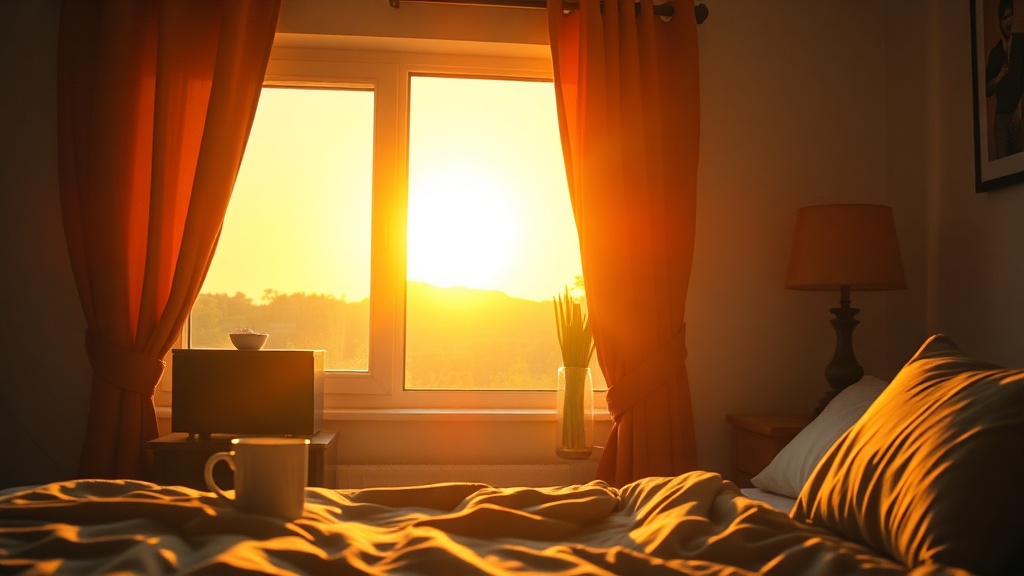
Can moving your bed closer to a window really help? Absolutely. Position your mattress so that the first rays of sun hit your face as you wake. Even a short 5‑minute exposure can signal your brain to shut down melatonin production, boosting alertness.
Pro tip: If you live in a high‑rise or a city with narrow windows, try a mirror opposite the window to bounce light deeper into the room.
2. Light‑Therapy Lamps — Worth the Investment?
Do I need a pricey light‑therapy box? Not necessarily, but a 10,000‑lux lamp can simulate sunrise on cloudy mornings. Set it on your nightstand and turn it on for 10‑15 minutes while you sip coffee.
- Budget tip: Look for a lamp with a UV‑free design and a timer—you can snag decent models on Amazon for under $30.
3. Are morning walks the free, natural solution?
Is a quick walk really that effective? Yes! A 20‑minute stroll outdoors within an hour of sunrise floods your eyes with natural light, resetting your clock faster than any alarm.
- Bonus: Pair the walk with a budget‑friendly coffee stop at a local café—save on travel costs while you boost productivity.
4. How can light‑reflective decor help?
Can curtains and paint make a difference? Light‑colored walls, sheer curtains, and reflective surfaces (like a white picture frame) amplify the sunrise that does make it in.
- DIY: Hang a light‑colored tapestry opposite your window; it’s cheap, adds personality, and bounces light.
5. Should you sync your tech with the sun?
Should I adjust my phone’s "Night Shift" setting? Turn off blue‑light filters in the morning and enable them after sunset. This lets your eyes absorb the full spectrum of daylight when you need it most.
Quick Checklist
- Position bed or desk near a window.
- Keep a light‑therapy lamp on standby.
- Schedule a 20‑minute sunrise walk.
- Add light‑reflective decor.
- Adjust device settings for natural light exposure.
Related Reading
- How to Reset Your Sleep After Daylight Saving — Dive deeper into sleep‑schedule tweaks.
- Bio‑Harmony Eating: Boost Spring Energy with Meal Timing — Pair light hacks with optimal nutrition.
- Spring Home Upgrades for Budget Travelers — More ways to make your space work for you.
Takeaway
The DST shift doesn’t have to dim your day. By letting the morning sun in—whether through a window, a lamp, or a quick walk—you can reset your circadian rhythm, lift your mood, and stay productive. Try one or all of these hacks this week and notice the difference.
<meta.faqs>
[
{"question": "What time should I get morning light after the DST change?", "answer": "Aim for exposure within the first hour after sunrise, ideally for 5‑15 minutes."},
{"question": "Do I need a pricey light‑therapy lamp?", "answer": "A 10,000‑lux lamp works well, but a simple sunrise walk or window exposure can be just as effective for most people."},
{"question": "Can I use my phone's screen for light exposure?", "answer": "Phones emit blue light, which is helpful in the morning but should be dimmed after sunset to protect sleep quality."}
]
</meta.faqs>