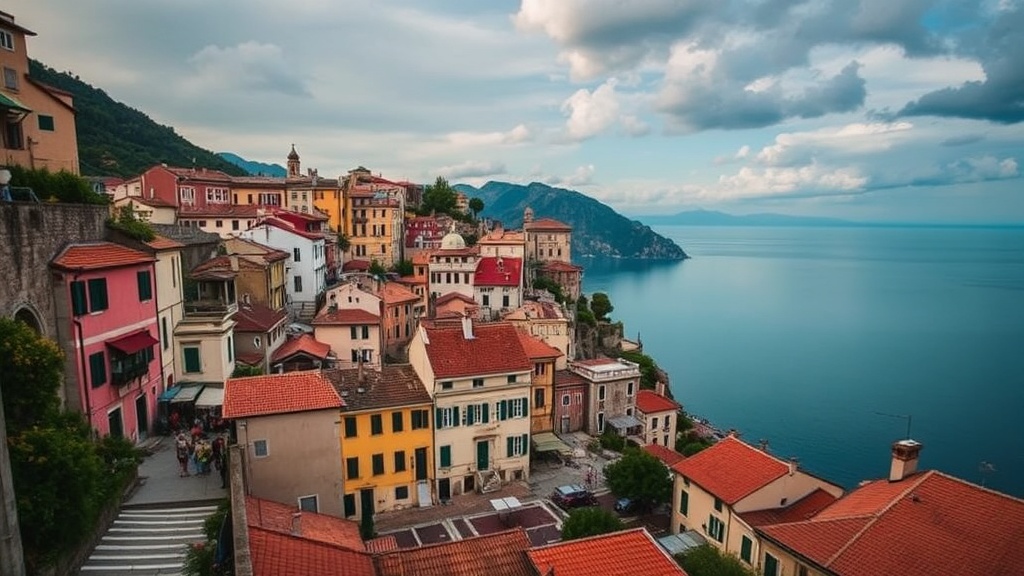
10 Hidden European Gems You Can Visit for Under $50 a Day

Europe doesn't have to drain the bank account. While Paris and London demand €200+ daily, pockets of the continent offer medieval streets, turquoise coastlines, and hearty meals for under $50 a day—sometimes far less. This guide maps ten under-the-radar destinations where the euro (or local currency) stretches further than guidebooks suggest. Each spot includes real daily cost breakdowns, local transport hacks, and where to find beds without the hostel-party scene.
Where Can You Travel in Europe for Under $50 a Day?
You can travel through Portugal's interior, Poland's mountain towns, Romania's Transylvanian villages, Albania's Riviera, and Bulgaria's Black Sea coast on $40-50 daily. The secret? Skip the capitals. Secondary cities and smaller towns offer the same culture at half the price.
Here's the thing—most budget advice focuses on Western Europe's big names. That misses the point entirely. Eastern Europe, the Balkans, and rural Iberia operate on different economics. A three-course meal in Sofia costs less than a sandwich in Geneva. A private room in Gjirokastër runs €15. The trade-off? Fewer direct flights and English speakers. Worth noting, that's rarely a problem with translation apps and local hospitality.
The Albania Advantage
Albania remains Europe's last true budget frontier. The Riviera—think Ksamil, Himarë, Dhermi—delivers Greek Island scenery without Greek Island prices. A beachside apartment in September? €20. Fresh grilled fish with salad? €6. The Llogara Pass (free to drive) offers views that rival the Amalfi Coast.
The catch? Infrastructure lags behind. Cash dominates—ATMs exist but bring euros as backup. Buses run on "soon" schedules. That said, private furgons (minibuses) cover most routes for pennies. Lonely Planet's Albania guide tracks current transport options.
What Are the Cheapest European Countries for Backpackers Right Now?
Bulgaria, Romania, Poland, and North Macedonia currently offer the lowest daily costs in Europe, with budget travelers spending €25-35 comfortably. These countries combine low accommodation prices, cheap public transport, and affordable food cultures that haven't inflated for tourists.
| Country | Hostel Bed | Local Meal | Beer | Daily Total (Budget) |
|---|---|---|---|---|
| Bulgaria (Plovdiv) | €10 | €4 | €1.50 | €28-32 |
| Romania (Brașov) | €12 | €5 | €2 | €30-35 |
| Poland (Zakopane) | €11 | €5 | €2.50 | €32-38 |
| North Macedonia (Ohrid) | €9 | €3.50 | €1.80 | €25-30 |
| Albania (Gjirokastër) | €8 | €4 | €1.50 | €22-28 |
Poland's Zakopane deserves special mention. The Tatra Mountains offer hiking trails that rival Switzerland's—seriously, the views are that good—for zero entry fees. Mountain shelters (schronisko) provide beds for €15. Oscypek cheese from shepherds costs a few złoty. The town itself has become popular with Polish tourists, but foreign visitors remain rare outside ski season.
Romania's Hidden Corners
Brașov gets attention. Sighișoara and Mărgău don't—and that's where the value lives. Sighișoara's citadel (birthplace of Vlad Țepeș) offers medieval immersion without Bran's crowds. A room in a 300-year-old house? €18. Homemade țuică (plum brandy) from the owner? Often free.
Mărgău, in the Apuseni Mountains, sits near the Scărișoara Ice Cave—one of Europe's largest underground glaciers. Entrance runs €3. Guesthouses with home-cooked meals cost €20-25 nightly. The nearest tourist hordes are hours away.
How Do You Find Cheap Accommodation in Lesser-Known European Destinations?
Skip Booking.com for the first search. Use local platforms—Olx.ro in Romania, Alo.bg in Bulgaria, or direct Facebook group listings in Albania. Private rooms through these channels often cost 30-40% less than international booking sites. Always confirm the address via Google Street View—some listings exaggerate locations.
Here's the thing—hostels barely exist in small Balkan towns. Guesthouses (pensiune, sobe, or vila) fill the gap. They're family-run, usually include breakfast, and the owners function as local guides. In Albania's Theth village, guesthouses organize shared furgon transport to trailheads. In Bulgaria's Koprivshtitsa, they'll drive you to nearby Thracian tombs for fuel cost.
Portugal's Interior Secret
Everyone crowds Lisbon and Porto. The Alentejo region—Évora, Monsaraz, Marvão—offers cork forests, Roman ruins, and whitewashed villages at half the price. A room in Monsaraz (a fortified village overlooking the Alqueva reservoir) costs €25-30. The dark-sky reserve there ranks among Europe's best for stargazing. Free, obviously.
Évora's bone chapel and Roman temple draw day-trippers, but overnight guests are rare. Dinner at A Fialha—traditional Alentejo cooking—runs €12-15 for three courses. The regional wine (vinho tinto alentejano) costs €2-3 per glass in local tascas.
Montenegro's Bay Beyond Kotor
Kotor's old town charges premium prices. The solution? Stay in Perast or Risan, smaller villages along the same bay. Perast's baroque palaces and two island churches deliver the same Adriatic beauty without cruise-ship crowds. A waterfront room in October? €25.
The bus from Perast to Kotor costs €2 and takes 15 minutes. Swimming spots in Perast are actually better—calmer water, fewer tourists. Restaurants here serve grilled orada (sea bream) caught that morning for €8-10. Montenegro uses the euro, so no currency confusion.
What About Food Costs in Cheap European Destinations?
Eating well on $15-20 daily requires strategy—not sacrifice. Shop at markets for breakfast and lunch. Eat the daily menu (menu del día, meniul zilei, dnevni meni) at local restaurants. These fixed-price lunches—usually €4-6—include soup, main, and sometimes dessert. They're designed for workers, not tourists, and offer the best value.
Balkan bakeries deserve worship. Burek (phyllo pastry with cheese or meat) costs €1-2 and feeds you for hours. In Bosnia (technically Europe, often overlooked), a cevapi meal—grilled minced meat with flatbread and onions—runs €3-4. Sarajevo's Baščaršija district offers this surrounded by Ottoman architecture.
North Macedonia's Lake Ohrid
Ohrid combines Byzantine churches, a crystal lake, and prices frozen in the 1990s. A lakeside apartment on Booking.com? €20-25. The same place contacted directly? €15. Local trout (Ohridska pastrmka) caught from the lake—€5-6 in family restaurants.
The ancient amphitheater and St. Naum monastery (with its springs) cost nothing or pennies. Boat trips to deserted beaches run €10-15 for the day. Rough Guides' North Macedonia coverage details trail maps and monastery routes.
When Should You Visit These Destinations?
Shoulder season—April-May and September-October—delivers the best combination of weather, prices, and empty attractions. July and August bring European vacationers and inflated costs. Winter offers rock-bottom prices in mountain towns (great for skiing deals) but limited transport and closed guesthouses on coastlines.
Here's the thing about timing: Albania's Riviera shuts down almost entirely November-March. Bulgaria's ski resorts (Bansko, Borovets) offer €20 accommodation packages in late March—ski passes included. Poland's Zakopane is miserable with tourists in August, magical and empty in late October.
Slovakia's Tatra Alternative
Everyone knows the Alps. Slovakia's High Tatras? Barely on the radar. Starý Smokovec serves as the gateway town—hostel beds €12, mountain huts €15. The cable car to Lomnický štít (one of Europe's most dramatic peaks) costs €40 return. Expensive? Sure. But hiking to the same viewpoint via the Teryho kuloár trail? Free. Just requires fitness and proper boots.
Poprad, 30 minutes away, offers cheaper beds and direct trains to Bratislava and Kraków. The thermal pools at AquaCity Poprad—fed by hot springs—cost €12 entry. After a week of mountain huts, that hot water feels like luxury.
How Do You Get Around Without Breaking the Budget?
Buses rule the Balkans. FlixBus covers major routes cheaply. For smaller towns, each country has its own network—sometimes reliable (Poland, Bulgaria), sometimes chaotic (Albania, Bosnia). Trains exist in Romania and Poland but skip most mountain regions.
Ridesharing (BlaBlaCar) works brilliantly in Poland, less so in Albania. In remote areas, guesthouse owners often arrange shared transport with other guests—split costs, make friends. Worth noting: some "roads" in northern Albania are really gravel tracks. Check conditions before renting a car.
Sample Daily Budget: Brașov, Romania
Accommodation: €12 (hostel) or €18 (private room)
Breakfast: €2 (covrigi—pretzel stands everywhere)
Lunch menu: €5
Coffee: €1.50
Attractions (Black Church, cable car): €8
Dinner with beer: €8
Total: €36.50
That leaves €13.50 for ice cream, a second beer, or saving toward your next destination.
Georgia: Europe's Edge Case
Tbilisi and Georgia's mountain regions offer European culture with Asian prices. Guesthouses in Svaneti—UNESCO-listed tower villages surrounded by 5,000-meter peaks—cost €15 with breakfast. The hiking? World-class. The food? Khinkali (soup dumplings) and khachapuri (cheese bread) for €3-4 meals. Georgian Holidays tracks transport to remote regions.
The catch? Georgia's on Europe's edge—politically complicated, sometimes overlooked. Direct flights exist from major European hubs (Wizz Air, Ryanair). The visa-free regime for most Western passports makes entry simple.
Europe's cheap corners reward curiosity. They demand flexibility, cash reserves, and willingness to point at menus. What they return—mountain mornings with €1 coffee, medieval streets without tour groups, conversations with locals who haven't hardened to tourists—justifies every minor inconvenience. Pick one. Start there.